Category: Uncategorized

  • Christian Teachers: 7 Biblical Protocols to Teach with Purpose and Transform Your Classroom

    Christian Teachers: 7 Biblical Protocols to Teach with Purpose and Transform Your Classroom

    Teaching is more than delivering content, managing behavior, and surviving the school year.

    For Christian teachers, the classroom is a Kingdom assignment. It is a place where knowledge, character, courage, and compassion are formed through daily practice. Your lesson plans matter. So does the way you respond when a student shuts down, a parent becomes frustrated, or your own energy reaches the floor.

    The goal is not to create a perfect classroom. The goal is to build a healthy classroom culture where students can learn, recover, take responsibility, and grow.

    At Avodah Dynamics, we believe Work Is Worship. That includes the work of teaching. The classroom becomes an altar of service when your ambition stays aligned with integrity, stewardship, and the good of the people entrusted to you.

    “At Avodah Dynamics, we are reclaiming the Monday-to-Saturday hustle as a masterclass in biblical leadership development and christian lifestyle for a higher purpose.”

    Here are seven biblical protocols for Christian teaching that turn purpose into practical classroom architecture.

    1. Anchor your identity before you manage the room

    The first protocol of Christian teaching is identity.

    You are not only a content expert, classroom manager, or school employee. You are a person entrusted with influence. That does not mean carrying a Messiah complex or believing every student’s outcome depends entirely on you. It means understanding that your presence shapes the room.

    Before the day begins, establish a simple identity statement:

    “I am here to serve, teach truth, protect dignity, and help students take their next faithful step.”

    That statement will steady you when the class is loud, the lesson goes sideways, or you feel unseen.

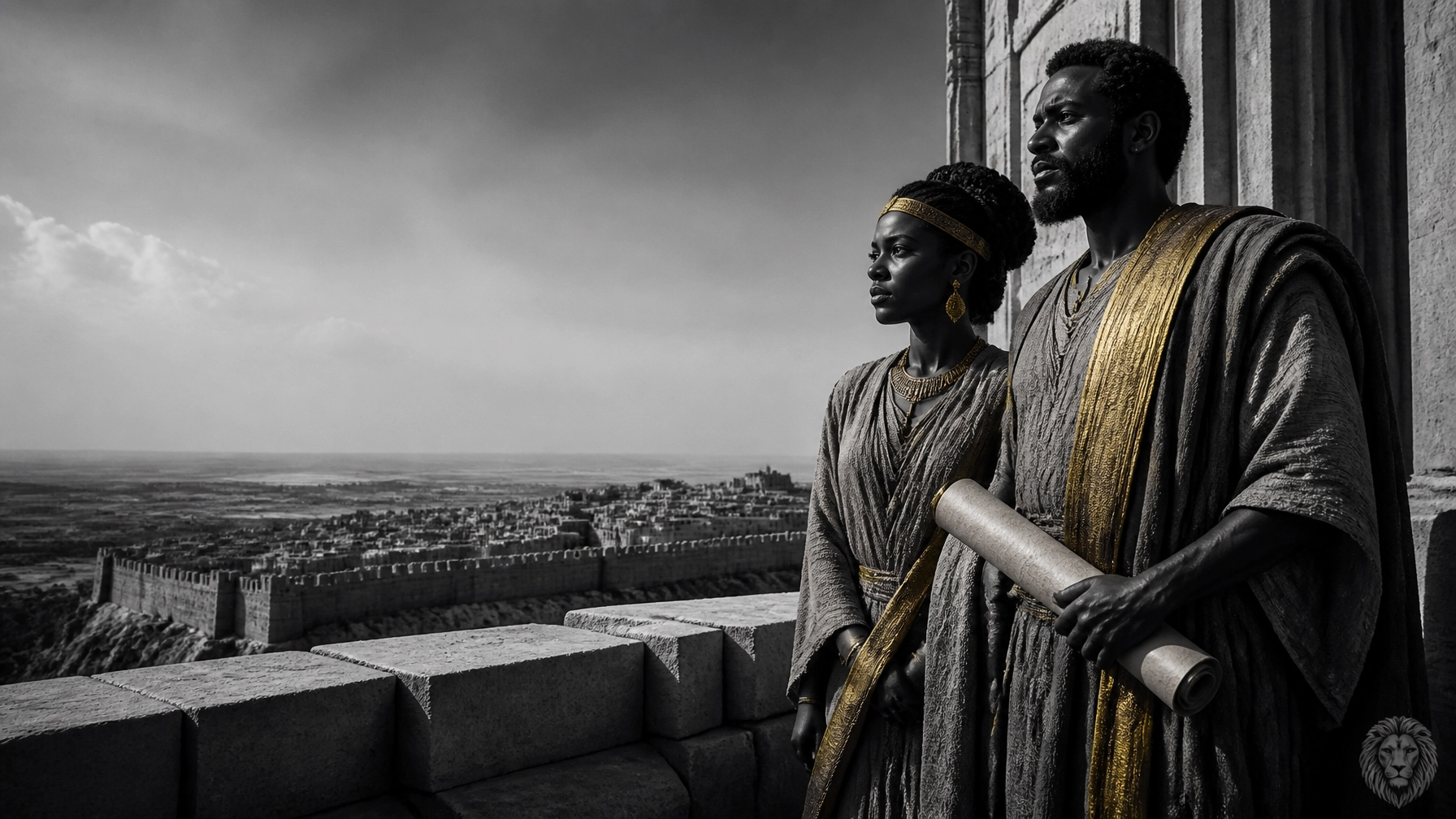
    The prophet and governor Nehemiah (נְחֶמְיָה, Nechemyah) understood this kind of assignment. He did not rebuild Jerusalem’s walls through inspiration alone. He assessed the damage, organized people, assigned sections, and stayed focused when opposition intensified. His relevance for Christian teachers is clear: vision needs structure. A desire to help students is powerful, but it must become a repeatable classroom protocol.

    Read more about purpose and calling in Called to More: Discovering God’s Purpose for Your Life and Work.

    2. Build classroom culture through repeated signals

    Culture is not what you announce once. It is what students experience repeatedly.

    A Christ-centered classroom does not require constant religious language or forced spiritual connections. It requires consistent signals of dignity, truth, patience, responsibility, and hope.

    Design your culture through:

    • A predictable opening routine
    • Clear directions
    • Respectful correction
    • Opportunities for student voice
    • Visible appreciation for effort and growth
    • Consistent expectations for how people speak and listen

    Students should know what happens when they enter the room, how they ask for help, what mistakes mean, and how conflict will be handled.

    Culture becomes stronger when your words and actions agree. If you tell students that questions are welcome but shame them when they ask one, the real lesson is fear. If you teach perseverance but punish every mistake, students learn performance instead of growth.

    Jesus, Yeshua (יֵשׁוּעַ), consistently treated people as more than their current condition. His teaching carried truth and invitation together. For Christian teachers, that is a model for creating classrooms where students are challenged without being diminished.

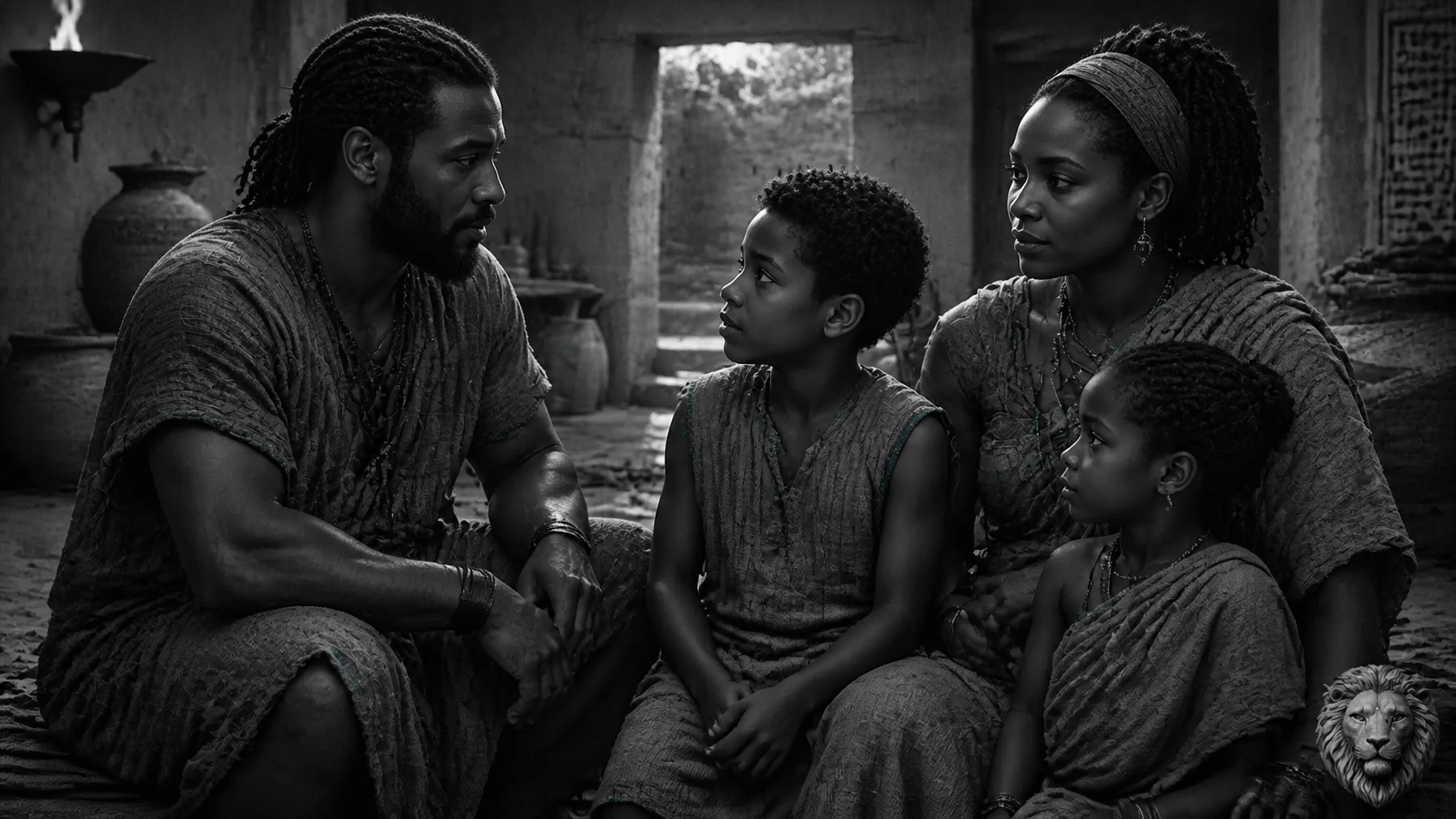
    Black Afro-Asiatic teacher listening to a student at eye level in a quiet classroom

    3. Treat attention as a form of service

    Attention is one of the most valuable gifts a teacher can offer.

    Many students who appear distracted, defiant, or disengaged may be carrying anxiety, loneliness, family stress, learning differences, or a history of feeling overlooked. That does not remove the need for boundaries. It does change how you investigate the behavior.

    Instead of asking only, “How do I stop this?” also ask:

    • What might this behavior be communicating?
    • Does the student understand the task?
    • Is the room too unpredictable?
    • Does the student need a private conversation?
    • Is there a counselor, administrator, or support professional who should be involved?

    Attention does not mean allowing one student to control the classroom. It means refusing to reduce a person to a disruption.

    Use short check-ins, private questions, and specific observations:

    “I noticed you stopped participating during the group work. What changed?”

    That question creates a bridge without lowering the standard.

    For additional perspective, read Christian Students: Student Success and Future-Focused Vision.

    4. Use discipline to restore responsibility, not to perform control

    Biblical discipline is formative. Its purpose is not humiliation, revenge, or emotional release. Its purpose is restoration, responsibility, and wisdom.

    A practical discipline protocol has four steps:

    1. Name the behavior clearly. Avoid vague accusations such as “You are disrespectful.”
    2. Explain the impact. Help the student understand what the behavior disrupted or harmed.
    3. Invite ownership. Ask what happened and what needs to change.
    4. Apply a proportionate next step. Use consequences that protect the learning environment and preserve dignity.

    Correction should be calm, direct, and consistent. Avoid public power struggles whenever possible. A student may need a firm boundary, but they do not need an audience.

    Grace is not the absence of standards. Grace creates a path back to responsibility.

    Your classroom does not need endless speeches about character. It needs clear systems that make character practical.

    5. Serve struggling students without becoming their only support

    Christian teachers often notice pain before anyone else does. You may see the student whose anxiety appears as avoidance, the student whose loneliness appears as anger, or the student whose stress appears as exhaustion.

    Your care matters. But sustainable care requires boundaries.

    You can:

    • Offer a quiet check-in
    • Break large assignments into smaller steps
    • Provide predictable transitions
    • Allow appropriate processing time
    • Connect students with counselors and support teams
    • Communicate concerns through approved school procedures
    • Encourage healthy support from trusted adults

    You cannot diagnose every issue, provide therapy, or personally carry every crisis.

    Faith and professional care do not compete. Prayer, pastoral support, counseling, family partnership, and school intervention can work together. If a student is at risk of harming themselves or someone else, follow your school’s safeguarding and emergency procedures immediately.

    For your own emotional load, see Christian Stress: 7 Biblical Strategies to Find Peace and Lead with Clarity.

    Black Afro-Asiatic female teacher calmly guiding students through a classroom routine

    6. Partner with parents through clarity, not combat

    Parents are not interruptions to your work. They are part of the student’s support architecture.

    Strong parent partnerships begin with communication before there is a crisis. Share patterns, progress, and practical next steps: not only problems.

    A useful message structure is:

    • Observation: “Jordan has been having difficulty beginning independent work.”
    • Impact: “This is affecting assignment completion.”
    • Partnership: “I want us to help Jordan build a stronger start-up routine.”
    • Next step: “I will provide a two-minute checklist. Could you reinforce the same sequence at home?”

    Avoid sarcasm, defensiveness, and unnecessary educational jargon. Parents may respond emotionally because they are protecting their child. You can honor their concern without surrendering professional boundaries.

    The goal is not to win the conversation. The goal is to create alignment around the student’s growth.

    Review Inspiring Parental Involvement: Boosting Engagement and School Governance for more ideas on building shared ownership.

    7. Protect sustainable rhythms before burnout makes the decision for you

    Teacher burnout is not a personal failure. It is often the result of chronic demands, emotional labor, limited support, and unclear boundaries.

    Calling does not require constant depletion.

    Build a weekly rhythm that includes:

    • A realistic planning limit
    • One protected block for grading or preparation
    • A shutdown ritual at the end of the workday
    • Collaboration instead of reinventing every resource alone
    • Time away from screens and school communication
    • Rest that is treated as stewardship, not laziness

    You do not need to connect every lesson to a spiritual application. Thoughtful integration is stronger than forced integration. You do not need to answer every message immediately. Responsiveness without boundaries becomes resentment.

    The teacher who lasts can serve more students over time than the teacher who burns brightly for one semester and collapses.

    Read Christian Help for Burnout: 7 Signs You’re Running on Empty and consider which boundary your current season requires.

    Black Afro-Asiatic teacher closing a lesson planner after class in a quiet, spacious classroom

    A simple classroom challenge for this week

    Choose one protocol: not all seven: and install it for five school days.

    Write down:

    • The problem you want to address
    • The behavior or rhythm you will practice
    • The signal students will experience
    • The result you will review at the end of the week

    Vision without execution is fantasy. A classroom changes when a good intention becomes a repeatable practice.

    For a focused soundscape while you plan, use the FREQU3NCY listening experience through the Avodah Sound player. If your publishing template supports SoundCloud embeds, place the Avodah Sound player in this section.

    Christian teachers are not called to control every outcome. You are called to steward the room, teach with integrity, and help students move toward wisdom, courage, and responsibility.

    That is Built Different teaching. That is Work Is Worship in practice. And it is one way an Avodahian carries purpose into every room.

    Take the Tribal Challenge

    If you need a structured rhythm for discipline, reflection, prayer, and accountability beyond the classroom, start the Tribal Challenge. The 100-day experience combines daily disciplines, Scripture, reflection, movement, and community to help you build identity through consistent action.

    Frequently Asked Questions

    What is the biblical role of a Christian teacher?

    A Christian teacher serves students through truth, wisdom, compassion, and responsible leadership. The role is not to control every outcome but to create conditions where students can learn, grow, and practice responsibility with dignity.

    How can Christian teachers create a Christ-centered classroom?

    Build a culture of respect, honesty, patience, service, and accountability. Model those values consistently, use thoughtful biblical integration, and avoid reducing Christian teaching to constant religious language or forced applications.

    How should Christian teachers handle discipline?

    Use clear expectations, calm correction, proportionate consequences, and restorative conversations. Discipline should protect the learning environment while guiding students toward ownership rather than shame.

    How can teachers support students with anxiety or stress?

    Offer predictable routines, break tasks into manageable steps, listen privately, and connect students with counselors, families, and approved support systems. Faith can provide hope, but students may also need professional mental-health care.

    How can Christian teachers avoid burnout?

    Protect planning limits, create communication boundaries, collaborate with colleagues, practice rest, and release the belief that faithful teaching requires endless availability. Sustainable rhythms are part of stewardship.

  • The Kingdom Builder Technology Protocol: 7 Ways to Build With the Tools of Your Generation Without Losing Your Soul

    The Kingdom Builder Technology Protocol: 7 Ways to Build With the Tools of Your Generation Without Losing Your Soul

    Kingdom Builder Library · Day 66 · Built Different. Called to More.

    Technology is not the enemy. Unexamined technology is.

    The tools of your generation can help you build companies, solve problems, reach people, steward resources, and execute ideas that once required entire institutions. But every tool carries a question:

    Who is in control, the builder or the tool?

    This is the core question behind faith and technology. The issue is not whether you use artificial intelligence, automation, social platforms, project systems, or digital communication. The issue is whether technology serves your calling, or quietly becomes your master.

    At Avodah Dynamics, Work Is Worship means your Monday-through-Saturday build matters. Your emails, code, proposals, research, designs, meetings, and decisions can become offerings of excellence. But worship requires alignment. Speed without wisdom is just acceleration toward the wrong destination.

    At Avodah Dynamics, we are reclaiming the Monday-to-Saturday hustle as a masterclass in biblical leadership development and christian lifestyle for a higher purpose.

    The Kingdom Builder Technology Protocol gives you a practical architecture for using modern tools without surrendering your attention, integrity, relationships, or soul.

    1. Start With the Calling, Not the Tool

    Most people begin with technology by asking, “What can this platform do?”

    Kingdom Builders begin with a better question:

    What have I been called to build, serve, solve, or steward?

    A tool should enter your life because it serves a defined purpose. Not because everyone is talking about it. Not because it promises instant success. Not because you feel behind.

    Technology without purpose creates tool drift. You collect apps, subscriptions, dashboards, prompts, and systems that generate activity but not meaningful progress.

    Before adopting a new tool, write three sentences:

    1. The problem this tool will solve is…
    2. The person or people this tool will serve are…
    3. The measurable result I expect is…

    If you cannot answer those questions, do not add the tool.

    The Kingdom Builder Vision Protocol can help you clarify the architecture before you increase the speed. Vision without execution is fantasy, but execution without vision is noise.

    2. Build a Minimal Technology Stack

    More technology does not automatically create more capacity. Often, it creates more switching, more maintenance, and more mental clutter.

    A focused professional may need only a few core categories:

    • One calendar for time commitments
    • One task system for execution
    • One place for notes and knowledge
    • One communication environment
    • One responsible AI assistant
    • One backup and security process

    That is enough to build a serious operating system.

    The goal is not to become a collector of digital tools. The goal is to create a clean environment where your attention can stay on the work that matters.

    This is where christian productivity becomes different from generic productivity culture. The objective is not to squeeze every possible task into the day. The objective is to steward your energy toward faithful, useful, excellent work.

    A smaller stack also makes it easier to notice when a tool is costing more attention than it returns.

    Black Afro-Asiatic strategist and builder reviewing a parchment plan at a carved stone table

    3. Keep Human Authority Over Artificial Intelligence

    Artificial intelligence can help with research, brainstorming, summaries, outlines, analysis, and repetitive administrative work. It can increase capacity when used with wisdom.

    But AI cannot carry your conscience.

    It cannot replace prayer, moral responsibility, human empathy, personal study, or the discernment required to make decisions that affect real people. It can produce language that sounds confident while being inaccurate, incomplete, or misaligned with your values.

    Use AI as an assistant, not an oracle.

    The AI and Christians: How Kingdom Builders Use Artificial Intelligence With Wisdom and Integrity article explores this distinction in greater depth.

    A responsible AI protocol includes:

    • Verify important facts before publishing or acting
    • Do not upload confidential information without permission
    • Disclose AI assistance when transparency requires it
    • Review tone, bias, accuracy, and potential harm
    • Keep final responsibility with a human decision-maker

    In faith and technology, wisdom is not rejecting innovation. Wisdom is refusing to surrender authority to it.

    4. Protect the Inner Room

    Your attention is not an unlimited resource. Every notification, alert, message, and feed competes for access to your mind.

    If you never establish boundaries, technology will establish them for you.

    Create protected spaces for:

    • Prayer and Scripture
    • Deep work
    • Meals and conversation
    • Rest and sleep
    • Strategic thinking
    • Sabbath and recovery

    Start with practical boundaries. Turn off nonessential notifications. Keep your phone outside the room during deep work. Set defined windows for email and social platforms. Use a physical notebook when you need to think without interruption.

    The goal is not to fear technology. The goal is to remain present.

    Elijah, אֵלִיָּהוּ, Eliyahu, is remembered as a prophet who encountered wind, earthquake, fire, and then a gentle whisper. His relevance to modern builders is clear: the loudest signal is not always the most important one. Kingdom innovation requires the capacity to hear beneath the noise.

    5. Apply a Discernment Filter Before You Deploy

    Not every effective tool is a healthy tool.

    A platform may increase revenue while damaging privacy. An automation may save time while removing necessary human care. A growth strategy may increase reach while rewarding vanity, outrage, or manipulation.

    Before using a technology, run it through four questions:

    1. Truth: Does this tool support accuracy, honesty, and clarity?
    2. Dignity: Does it treat people as human beings or data points?
    3. Stewardship: Does it help me manage time, money, energy, and influence responsibly?
    4. Fruit: What kind of person and culture will this tool help me become?

    This is the heart of a discernment framework for Kingdom Builders. The Hebrew concept binah points toward understanding that separates, evaluates, and applies wisdom.

    Bezalel, בְּצַלְאֵל, Betzalel, was appointed to design and construct sacred work with skill, intelligence, and craftsmanship. His relevance is not that he rejected tools. He used them with excellence under divine direction. That is the model: creativity governed by wisdom, not creativity governed by impulse.

    Black Afro-Asiatic builder walking through a stone corridor toward Antique Gold light

    6. Convert Technology Into Repeatable Protocols

    A tool becomes valuable when it supports a repeatable process.

    Do not simply download a project platform. Build a weekly review protocol.

    Do not simply subscribe to an AI tool. Define approved uses, review steps, and privacy rules.

    Do not simply create a digital calendar. Build a cadence that connects your priorities to your actual hours.

    Technology should reduce guesswork. It should help you move from intention to execution.

    A basic weekly technology review might include:

    • What did I build this week?
    • Which tool created genuine leverage?
    • Which tool created distraction?
    • What needs to be automated?
    • What must remain human?
    • What should be deleted, delegated, or redesigned?

    This is structure over sermons. It is the difference between having access to tools and having an operating system.

    Daniel, דָּנִיֵּאל, Daniyyel, served with excellence inside a powerful and technologically advanced empire without allowing that environment to define his identity. His relevance is essential for first-generation professionals: you can master the systems of your workplace without surrendering your convictions to them.

    7. Schedule a Technology Sabbath and Soul Audit

    Every builder needs a reset.

    Set aside regular time to step away from screens, feeds, dashboards, and performance metrics. Use that space to recover your ability to think, listen, pray, create, and connect without digital mediation.

    Then conduct a monthly soul audit:

    • Has technology made me more present or more scattered?
    • Am I creating more than I consume?
    • Have my tools increased service or only visibility?
    • Is my ambition still aligned with integrity?
    • Have I confused constant access with true availability?
    • What would I stop using if I no longer needed to impress anyone?

    The answer may reveal more than your screen-time report.

    Technology should expand your capacity to serve, not shrink your capacity to be human. The goal is not to disappear from the modern world. The goal is to enter every room with clarity, discipline, wisdom, vision, and leadership.

    Black Afro-Asiatic woman leader standing in a stone courtyard with a clear architectural doorway

    The Kingdom Builder Technology Checklist

    Use this protocol before adding any new tool:

    • Does it serve a clear calling?
    • Does it reduce friction without reducing wisdom?
    • Does it protect human dignity?
    • Does it strengthen execution?
    • Does it preserve my attention?
    • Does it support truth and accountability?
    • Can I explain its role in my life without embarrassment?

    If the answer is no, the tool may not belong in your architecture.

    You are not called to reject the tools of your generation. You are called to govern them.

    That is what it means to be Built Different. You do not measure success by speed alone. You build with skill, submit ambition to wisdom, and keep your soul intact while pursuing what you are Called to More.

    FAQ: Faith and Technology for Kingdom Builders

    What is faith and technology?

    Faith and technology is the intentional integration of spiritual values, ethical responsibility, and modern tools. It means using technology to serve people and purpose without allowing it to control your identity, attention, or decisions.

    Can Christians use artificial intelligence?

    Yes. Christians can use artificial intelligence for research, planning, drafting, organization, and other responsible tasks. AI should remain under human oversight and should never replace discernment, compassion, truth-checking, or personal responsibility.

    How can technology support Work Is Worship?

    Technology supports Work Is Worship when it helps you execute meaningful work with excellence, integrity, and service. The tool is not the worship; the faithful stewardship of the tool is part of the offering.

    What is the best technology stack for a Kingdom Builder?

    The best stack is the smallest one that reliably supports your calling. Start with a calendar, task system, notes system, communication tool, responsible AI assistant, and secure backup process.

    How do I keep technology from damaging my spiritual life?

    Create clear boundaries around notifications, social media, deep work, prayer, rest, relationships, and Sabbath. Review your technology habits regularly and remove tools that consistently produce distraction, anxiety, vanity, or compromise.

    Your Next Build

    Do not wait for a perfect system. Audit one tool today.

    Keep what serves. Remove what scatters. Build a rhythm that allows your faith, work, and technology to move in the same direction.

    For a deeper discipline architecture, join the Tribal Challenge. It is a 100-day faith-based system built around daily disciplines, accountability, reflection, prayer, and measurable execution.

    You can also pair your next deep-work block with the Avodah Sound library, music built for prayer, focus, study, and the work that refuses to remain a dream.

    Explore the larger Avodah Ecosystem and keep building with wisdom.

  • The Kingdom Builder Discernment Protocol: 7 Ways to Make Wise Decisions Without Losing Your Peace

    The Kingdom Builder Discernment Protocol: 7 Ways to Make Wise Decisions Without Losing Your Peace

    Big decisions expose your operating system.

    A career pivot. A new business partner. A school initiative. A leadership role. A major investment. A relationship that could reshape your future.

    The pressure is real. So is the noise.

    Most people do not lack information. They lack a clear protocol for interpreting information without being ruled by fear, ego, urgency, or other people’s expectations.

    That is where biblical discernment becomes practical.

    A kingdom builder does not make decisions by chasing every open door. You test the structure before you build on it. You examine the foundation before you add weight. You learn to recognize the difference between an opportunity and an assignment.

    This is not passive spirituality. It is disciplined movement with God.

    The Hebrew word avodah carries the meaning of work, worship, and service. That means work is worship when your decisions align with God’s purpose, honor people, protect your integrity, and steward your resources well.

    As Avodah Dynamics teaches, vision without execution is fantasy. But execution without discernment can build the wrong thing faster.

    Use this seven-part protocol to make wise decisions without losing your peace.

    1. Separate Kingdom Assignment from Personal Ambition

    Before asking, “Will this make me successful?” ask a sharper question:

    “What is this decision actually building?”

    Every opportunity carries an architecture. Some opportunities build influence, income, and impact. Others build ego, exhaustion, and dependency on applause.

    A kingdom builder learns to distinguish between Kingdom expansion and personal empire-building.

    Ask:

    • Is this decision serving people or primarily validating me?
    • Does it support the assignment God has already placed in my hands?
    • Would I still choose it if no one knew my name?
    • Does it strengthen my character or merely increase my visibility?

    Ambition is not automatically wrong. Ambition becomes dangerous when it disconnects from obedience, stewardship, and love of neighbor.

    Read The Kingdom Builder Vision Protocol to clarify the difference between a compelling vision and a distracting fantasy.

    2. Write the Decision in One Clear Sentence

    Confusion grows when the decision stays vague.

    “I need to figure out my next step” is not a decision. It is an atmosphere.

    Write the actual question:

    • Should I accept this leadership role?
    • Should I leave this job within the next 90 days?
    • Should I invest in this business partnership?
    • Should our school adopt this initiative?
    • Should I launch this offer now or refine it first?

    A clear sentence creates a clear target.

    Then define the decision window. Is this something that must be decided today, this week, or this quarter? False urgency is one of the fastest ways to lose peace. Not every email requires an immediate answer. Not every opportunity disappears because you took time to think.

    Use the Decision-Making Architecture approach: name the choice, identify the stakes, define the constraints, and establish the next faithful action.

    You cannot discern a decision you refuse to define.

    3. Test the Option Against Scripture and Character

    Biblical decision making is not about finding a magical verse that approves whatever you already want.

    It is about testing the decision against the character of God and the clear wisdom of Scripture.

    A choice that requires dishonesty, exploitation, manipulation, hidden compromises, or contempt for people is not made wise by a profitable outcome.

    Ask:

    • Does this decision require me to violate a clear biblical principle?
    • Am I being truthful about the risks?
    • Would I be comfortable explaining the full decision to a trusted mentor?
    • Does this option form patience, courage, humility, justice, and self-control?
    • Am I calling something “faith” that is actually recklessness?

    Shlomo (שְׁלֹמֹה), Solomon, is remembered for asking God for wisdom rather than requesting wealth or long life. His relevance for modern leadership is direct: the quality of your decisions is shaped by what you value before the decision arrives. For a kingdom builder, wisdom is not an accessory to success. It is part of the build.

    Explore Kingdom Builder Wisdom for a deeper look at wisdom-led leadership.

    Afro-Asiatic Black men and women gathered in an ancient courtyard for thoughtful counsel, with one Antique Gold lamp flame

    4. Count the Cost Before You Call It a Calling

    A good opportunity can still be the wrong opportunity for this season.

    Jesus taught the importance of counting the cost before building. That principle applies to your calendar, finances, health, relationships, and leadership capacity.

    Before you say yes, create a cost map:

    • Time: How many hours will this require each week?
    • Energy: What kind of focus and emotional capacity will it demand?
    • Money: What will it cost to begin, maintain, or repair?
    • Relationships: Who will be affected by this decision?
    • Character: What pressures could this introduce?
    • Systems: Do I have the structure to sustain it?
    • Opportunity cost: What will I have to delay or decline?

    A kingdom builder does not confuse access with capacity.

    Your calling may be real, but your current system may need reinforcement before expansion. This is why discipline matters. Kingdom Builder Discipline is not punishment. It is infrastructure for sustainable obedience.

    5. Invite Wise Counsel Before You Finalize

    Private conviction matters. So does community.

    Discernment becomes dangerous when you use prayer to avoid accountability. If you only consult people who agree with you, you are not seeking counsel. You are collecting permission.

    Bring the decision to people who:

    • Know your character, not just your potential
    • Can challenge your motives without controlling your future
    • Understand the professional or financial stakes
    • Have demonstrated wisdom in similar situations
    • Will tell you the truth with both courage and care

    Nechemyah (נְחֶמְיָה), Nehemiah, rebuilt Jerusalem’s walls through vision, prayer, inspection, organization, and shared labor. His example matters because he did not treat spiritual conviction as a substitute for strategy. He assessed the damage, organized the people, assigned responsibility, and protected the work from distraction.

    That is purpose-driven leadership: spiritual alignment with operational clarity.

    Do not build alone. Share the decision, the assumptions behind it, the risks, and the outcome you hope to create.

    6. Watch the Fruit, Not Just the Feeling

    Peace is important. But peace is not the same as comfort.

    Sometimes obedience feels frightening because the decision requires growth. Sometimes anxiety feels like a warning. Sometimes excitement is simply ego wearing inspirational language.

    Test the fruit.

    A decision aligned with God’s purpose should create a pathway toward:

    • Greater integrity
    • More honest relationships
    • Stronger stewardship
    • Deeper service
    • Sustainable responsibility
    • Increased courage
    • Measurable human impact

    The question is not, “Do I feel good about this?”

    The better question is:

    “What kind of person and organization will this decision produce?”

    Yosef (יוֹסֵף), Joseph, moved through betrayal, delay, administration, and authority without abandoning wisdom or integrity. His story reminds builders that a right decision may not create immediate comfort. Faithfulness often develops through pressure before it becomes visible as influence.

    Look for fruit over time. Does the decision make you more whole, more truthful, and more useful? Or does it make you more frantic, secretive, and self-protective?

    7. Move Forward with a Review Date

    Discernment is not complete when you make the decision. It continues as you execute.

    Set a review date before you begin. Depending on the decision, that might be 30, 60, or 90 days.

    Track:

    • What did we expect to happen?
    • What actually happened?
    • What signs of fruit are emerging?
    • What costs were underestimated?
    • What needs to be adjusted?
    • Is this still aligned with the assignment?

    A review date keeps you from treating one decision as a permanent identity. You can make a wise choice and still need to refine the method.

    Sha’ul (שָׁאוּל), Paul, combined conviction with adaptability. He remained anchored to the gospel while adjusting his communication, travel, partnerships, and methods across different cultures. His relevance to faith at work is clear: integrity stays fixed, but strategy can evolve.

    Read Faith and Work in the Bible for a practical framework for carrying faith into Monday-through-Saturday execution.

    The Peace Audit

    Before finalizing a consequential decision, ask yourself:

    1. Is this aligned with God’s character and my assignment?
    2. Am I being honest about my motives?
    3. Have I counted the cost?
    4. Have I invited wise counsel?
    5. Does this decision serve people beyond myself?
    6. Can my current systems sustain it?
    7. What is the next faithful action?

    Peace does not always mean the absence of risk. It means you are no longer being governed by panic.

    A kingdom builder can move with courage because the decision has been tested. You are not guessing. You are building with structure over sermons, conviction over hype, and stewardship over status.

    “At Avodah Dynamics, we are reclaiming the Monday-to-Saturday hustle as a masterclass in biblical leadership development and christian lifestyle for a higher purpose.”

    That is the heart of Work Is Worship. The boardroom, classroom, studio, kitchen table, and planning session can all become places of faithful service when your decisions align with God’s purpose.

    Build the Decision into a Larger System

    Discernment is easier when your life already has architecture.

    The Builder Blueprint gives Kingdom Builders a structured path for turning calling into aligned execution, with practical protocols for organizing your life, leadership, and work around purpose.

    If consistency is your next build, explore the Tribal Challenge. Transformation becomes more sustainable when you are surrounded by people who are also choosing discipline, accountability, and growth.

    And when you need sound for the work, listen to Avodah Dynamics Soundscape on SoundCloud or visit avodahsound.com. Let the atmosphere support the assignment.

    You are Built Different. You are Called to More.

    Make the decision. Test the foundation. Take the next stone.

    Afro-Asiatic Black man walking along an ancient stone path between monumental walls with one Antique Gold line of sunlight

    Frequently Asked Questions

    What is biblical decision making?

    Biblical decision making is the practice of evaluating choices through Scripture, prayer, wisdom, character, counsel, stewardship, and the likely impact on others. It combines spiritual conviction with responsible action.

    How do I practice Christian discernment at work?

    Start by clarifying the decision, testing it against biblical principles, examining your motives, reviewing the practical costs, and seeking wise counsel. Christian discernment should shape both your ethics and your execution.

    Does losing peace mean I should reject a decision?

    Not always. Growth can feel uncomfortable. Examine whether your unease comes from fear, lack of preparation, a character concern, or the genuine weight of responsibility. Peace is best evaluated alongside Scripture, wisdom, counsel, and fruit.

    What does avodah meaning have to do with work?

    Avodah is a Hebrew word associated with work, worship, and service. It reminds us that work becomes worship when it is offered with integrity, aligned with God’s purpose, and directed toward meaningful service.

    What is the Builder Blueprint?

    The Builder Blueprint is a structured Avodah Dynamics execution framework designed to help Kingdom Builders move from wandering ambition to aligned architecture through practical tools, protocols, and sustainable action.

  • Christian Music for Driving: 7 Playlist Protocols for Focus, Peace, and Purpose on the Road

    Christian Music for Driving: 7 Playlist Protocols for Focus, Peace, and Purpose on the Road

    WordPress publishing note: Set the first image above as the WordPress Featured Image so it appears in the post thumbnail, RSS feed, social previews, and external platforms.

    The commute starts before the first meeting.

    You are already answering messages at the red light, replaying yesterday’s conversation, checking the route, scanning headlines, and calculating how late you will be. By the time you arrive, your body is in the office but your mind is still trapped in the highway noise.

    The right Christian music for driving can help you interrupt that pattern. Not by turning your car into a distraction zone, but by giving your attention a steady rhythm for the road ahead.

    A good Christian driving playlist can create space for prayer, focus, emotional regulation, and preparation. It can help transform a commute into a deliberate transition between home and work, exhaustion and execution, pressure and peace.

    At Avodah Dynamics, we are reclaiming the Monday-to-Saturday hustle as a masterclass in biblical leadership development and christian lifestyle for a higher purpose.

    That does not mean pretending traffic is peaceful or forcing yourself to feel inspired when you are tired. It means building a better protocol for the hours you already have.

    Because Work Is Worship is not limited to a sanctuary. It includes the way you prepare, the way you travel, the way you respond under pressure, and the way you enter the room.

    This guide gives you seven playlist protocols for building a faith-based road trip playlist, worship music for the car, or a focused Christian music for commute rotation. Use the principles to curate music that supports your actual life: not an imaginary version of it.

    Safety first: Choose your playlist, set your route, and connect your device before you drive. Never interact with your phone while the vehicle is moving.

    1. Build the playlist around the purpose of the drive

    Most people build playlists around genre. Builders build playlists around assignment.

    A daily commute, an airport run, a long road trip, and a late-night drive do not carry the same emotional or mental demands. Your music should match the work the drive is doing in your life.

    Before pressing play, ask one question:

    What do I need this drive to produce?

    Your answer determines the first layer of the playlist.

    For a stressful commute: choose peace

    If you are leaving a difficult home environment, navigating office politics, or carrying anxiety into the morning, start with music that creates space rather than pressure.

    Look for:

    • Slow instrumental worship
    • Warm piano and ambient pads
    • Minimal percussion
    • Repetitive melodies
    • Lyrics that reinforce trust, presence, and surrender

    Your goal is not to manufacture a mood. Your goal is to reduce the number of competing signals entering your mind.

    For a long road trip: choose endurance

    A faith-based road trip playlist can carry more variety. You may want reflective tracks for the first hour, rhythmic songs for the middle stretch, and peaceful music for the final leg.

    Look for:

    • Mid-tempo songs with steady drums
    • Instrumental Christian hip-hop
    • Gospel house and Christian R&B
    • Songs with journey, courage, and hope themes
    • Tracks that sustain energy without creating agitation

    For a morning commute: choose orientation

    Your commute is a transition point. You are moving from private life into public responsibility.

    The first few tracks should help answer:

    • Who am I today?
    • What matters most?
    • What must I not carry into this day?
    • What kind of leader will I be under pressure?
    • What deserves my attention?

    That is why Avodah Sound’s COFFEE & COMMUTE : EP Vol. 1 is structured around tracks such as “6AM Mindset,” “Purpose on My Mind,” “Highway,” “Rush Hour Resilience,” “Rearview Reflections,” and “Ambition.” The project is designed for the commute as a period of preparation: not just background noise.

    The principle is simple:

    Do not let the road decide your internal atmosphere. Build the atmosphere before you leave.

    2. Use a three-phase energy curve

    Random songs create random emotional shifts. A strong Christian driving playlist has architecture.

    Think of the playlist as a route with three phases:

    1. Departure
    2. Cruise
    3. Arrival

    This sequence keeps your attention grounded while allowing the music to evolve.

    Phase one: Departure

    The first ten to fifteen minutes should help you exit the previous environment.

    This is where you use:

    • Ambient worship
    • Calm Christian R&B
    • Soft lo-fi worship
    • Instrumental prayer music
    • Songs with gentle vocal entrances

    The objective is decompression. You are not trying to conquer the day in the driveway. You are creating enough internal room to enter it with intention.

    Tracks such as “6AM Mindset” and “Purpose on My Mind” fit this phase because their titles and sonic direction reinforce orientation before output.

    Phase two: Cruise

    Once you are settled into the route, introduce a steadier pulse.

    This section can include:

    • “Highway”
    • “Rush Hour Resilience”
    • Christian house music
    • Gospel-forward rhythm
    • Focused Christian hip-hop
    • Upbeat worship without chaotic production

    The middle of the drive is where many people begin spiraling. They replay problems, rehearse arguments, or consume endless information. A consistent rhythmic bed gives the mind something stable to return to.

    Do not confuse intensity with strength. The right sound can help you stay alert without putting your nervous system into overdrive.

    Phase three: Arrival

    The final portion of the drive should prepare you to enter the next space well.

    Use:

    • Reflective instrumentals
    • Gratitude-centered songs
    • Calm worship music
    • Music that reinforces clarity and courage
    • Tracks with a sense of resolution

    “Rearview Reflections” works as a conceptual closer because it creates room to review without remaining trapped in the past. “Ambition” can serve as a final transition when you need to enter the workday with forward energy.

    A playlist with an energy curve gives your commute a beginning, middle, and end. That structure is more useful than simply pressing shuffle and hoping the next song fits.

    Black Afro-Asiatic professional preparing for a commute in a parked car with route already set, monochrome VIS 1.0 style and crimson accent

    3. Protect the road from digital noise

    A Christian music for commute protocol fails if the playlist becomes another reason to touch your phone.

    The point of preparation is to reduce friction. Build the system while the car is parked so you can focus on the road once you move.

    Create a pre-drive checklist

    Before leaving:

    • Select the playlist
    • Set the destination
    • Confirm the volume
    • Enable driving mode or Do Not Disturb
    • Place the phone in a mounted, hands-free position
    • Start the music before shifting into drive

    This is structure over sermons. You do not need another lecture about focus. You need a system that removes unnecessary decisions.

    Keep the playlist predictable

    A commute playlist should not require constant curation. If you are skipping every third track, the list is not finished.

    Create separate playlists for:

    • Commute: Peace
    • Commute: Focus
    • Road Trip: Endurance
    • Evening Drive: Reflection
    • Family Drive: Joy

    Predictability matters because it protects your attention. You already make hundreds of decisions each day. The drive should not become another content-management project.

    Reduce lyrical overload

    Lyrics can be powerful, but not every song needs to demand full interpretation.

    When driving through heavy traffic or unfamiliar areas, choose instrumental tracks or songs with simple, repeated hooks. Complex lyrics, abrupt production changes, or emotionally intense storytelling can compete with your visual attention.

    The best worship music for the car does not pull your eyes from the road. It strengthens your ability to remain present on it.

    For a deeper focus framework, read Christian Music for Deep Work. The same principle applies in the vehicle: sound should support the assignment, not become the assignment.

    4. Turn the commute into a prayer protocol

    Prayer does not require a specific room, posture, or time block. A commute can become a moving interval of surrender and discernment when practiced safely and intentionally.

    This does not mean closing your eyes, raising your hands, or becoming so emotionally absorbed that you lose awareness of traffic. It means using short, repeatable prayer prompts while keeping your attention on the road.

    The four-part commute prayer

    Use this sequence:

    1. Gratitude

    Name one provision you can see.

    “I am grateful for another day, another opportunity, another breath, another chance to serve well.”

    Gratitude interrupts scarcity. It does not deny difficulty; it changes what difficulty is allowed to dominate.

    2. Surrender

    Release the pressure to control every outcome.

    “God, I give You the conversations, decisions, delays, and outcomes I cannot manage.”

    Surrender is not passivity. It is the correct placement of responsibility.

    3. Alignment

    Ask for wisdom for the actual day in front of you.

    “Show me what deserves my attention. Make me honest, disciplined, and useful.”

    This is where faith becomes operational. You are not asking for an abstract blessing while remaining unchanged. You are asking for a better way to execute.

    4. Commission

    Enter the day with a clear assignment.

    “Let me carry peace into every room. Let my work serve people. Let my ambition remain aligned with integrity.”

    The prayer should be brief enough to repeat and strong enough to shape your response.

    You can pair this protocol with the Christian Music for Prayer playlist guide, especially on mornings when your mind feels scattered or spiritually dry.

    Biblical character reference: Jesus : Yeshua (יֵשׁוּעַ)

    Yeshua, the Hebrew name associated with Jesus, modeled movement between public responsibility and private communion with the Father. His life shows that service and stillness are not opposites. For a Kingdom Builder, the commute can become a small threshold where attention is restored before responsibility increases.

    5. Match the soundtrack to your emotional state

    One of the biggest mistakes people make with Christian music for driving is choosing songs based only on personal taste.

    Taste matters. So does emotional accuracy.

    You need a playlist that meets the state you are actually in.

    When you feel anxious

    Choose music with:

    • A slower tempo
    • Minimal arrangement
    • Repeated harmonies
    • Spacious production
    • Gentle vocals or no vocals

    The goal is not to bury anxiety under volume. It is to give your mind a steady place to land.

    Try the “peace” and “stillness” side of the Avodah Sound library, including tracks such as “Stillness in Motion,” “Sacred Reset,” “Peace Like Morning,” or “Closer Than Breath.”

    If anxiety is affecting your work or relationships, music can support regulation but should not replace professional care. Build a wider support system that may include counseling, pastoral care, medical guidance, and trusted community.

    When you feel discouraged

    Use songs that tell the truth about endurance without turning pain into performance.

    Relevant themes include:

    • God’s presence in uncertainty
    • Hope after disappointment
    • Quiet obedience
    • Faithfulness without applause
    • Continuing after a setback

    Tracks such as “Still on My Way,” “Still Grinding, Still Trusting,” and “I Am Near” can support this kind of listening posture.

    When you feel mentally foggy

    Choose rhythm.

    A steady beat can help you transition from passive thought to active presence. Use Christian hip-hop, instrumental trap, gospel house, or lo-fi worship with enough pulse to keep you alert.

    The objective is not hype. It is activation.

    When you feel overconfident

    Choose reflective music.

    Ambition needs correction as much as it needs fuel. If you are entering the day determined to prove yourself, select music that reminds you that your identity is not dependent on performance.

    That is part of becoming an Avodahian: operating from alignment instead of applause.

    Black Afro-Asiatic woman driving safely through rain on an elevated city roadway, cinematic monochrome with a single crimson reflection

    6. Build separate protocols for commuting and road trips

    A 25-minute Christian music for commute playlist should not be built the same way as a six-hour road trip.

    Different durations require different sequencing.

    The 30-minute commute protocol

    Build a six-to-eight-song sequence:

    1. One settling track
    2. One prayer or reflection track
    3. Two focused rhythmic tracks
    4. One resilience track
    5. One purpose-centered track
    6. One arrival track

    This format works because it gives you enough variation without creating too many transitions.

    A sample Avodah Sound commute sequence could be:

    1. “6AM Mindset”
    2. “Purpose on My Mind”
    3. “Highway”
    4. “Rush Hour Resilience”
    5. “Rearview Reflections”
    6. “Ambition”

    The 90-minute commute or work-travel protocol

    For longer drives, divide the route into chapters:

    • Chapter one: Reset
    • Chapter two: Build
    • Chapter three: Endure
    • Chapter four: Reflect
    • Chapter five: Arrive

    You can rotate between Christian lofi, worship hip-hop, Christian R&B, gospel house, and cinematic instrumentals. Keep the transitions intentional rather than allowing every genre to compete for attention.

    The multi-hour road trip protocol

    A long drive needs more than energy. It needs recovery.

    Build several playlists instead of one endless queue:

    • Morning departure
    • Midday focus
    • Traffic resilience
    • Quiet reflection
    • Evening arrival

    Take regular breaks. Stretch, hydrate, and rest when necessary. Music can support endurance, but it cannot override fatigue. A Kingdom Builder stewards the body that carries the calling.

    For longer journeys, tracks such as “Ride: We Gonna Make It,” “Move With Heaven,” “On My Way,” and “Freefall in Faith” can serve as thematic markers. Use music to frame the journey, not to pressure yourself into unsafe driving.

    Biblical character reference: David : Dawid (דָּוִד)

    Dawid, known as David, was a musician, warrior, leader, and psalmist who brought honest emotion into worship. His example matters because faith-filled music does not require emotional pretending. It can hold courage, fear, grief, confidence, and dependence in the same soundscape: helping modern Kingdom Builders bring their whole selves into faithful work.

    7. Let the playlist become a repeatable identity cue

    The power of a Christian driving playlist is not one inspirational morning. It is repetition.

    When the same sound repeatedly accompanies prayer, preparation, and purposeful work, it becomes an identity cue. The playlist reminds you how you want to show up before the pressure arrives.

    This is how a soundtrack becomes part of your execution architecture.

    Pair the playlist with one daily question

    Choose one question and answer it mentally during the drive:

    • What is the most important thing I need to build today?
    • Who needs my best attention?
    • What pressure do I need to release?
    • What would integrity look like in the next conversation?
    • What is one action that moves me toward the person I am becoming?
    • Where am I choosing noise over obedience?
    • What does excellence look like without perfectionism?

    Do not use all seven every day. Choose one. Repetition creates depth.

    Pair music with reading and prayer

    Music can open the door, but Scripture and reflection help build the room.

    If your commute is a good time for listening, use it to prepare for a later reading session. You can follow the Christian Reading Plan: a 90-day protocol for Kingdom Builders and use your drive to preview the day’s theme, reflect on a verse you already read, or repeat a prayer prompt.

    For morning structure, continue with the Christian Morning Prayer guide. The objective is not to fill every silence. Sometimes the most faithful part of the drive is allowing the music to end and sitting with what has surfaced.

    Pair music with community and accountability

    Personal playlists are useful. Personal transformation is stronger when it is supported by people who can challenge, encourage, and sharpen you.

    The Tribal Challenge is built around consistent execution, identity formation, and daily accountability. A commute can become one of the daily anchors that helps you show up with discipline instead of relying on motivation.

    Biblical character reference: Nehemiah : Nechemyah (נְחֶמְיָה)

    Nechemyah, or Nehemiah, was a strategic builder who inspected broken walls, organized people, assigned work, and rebuilt with vigilance. His relevance is direct: vision required a plan, roles, boundaries, and sustained execution. In the same way, a playlist protocol turns an unstructured commute into a repeatable system for moving from intention to action.

    Listen: COFFEE & COMMUTE : EP Vol. 1

    Avodah Sound’s COFFEE & COMMUTE : EP Vol. 1 includes:

    1. “6AM Mindset”
    2. “Purpose on My Mind”
    3. “Highway”
    4. “Rush Hour Resilience”
    5. “Rearview Reflections”
    6. “Ambition”

    The project combines warm trap grooves and neo-soul chords to support the transition from morning preparation into purposeful work.

    For the SoundCloud player, open the verified set below. WordPress may automatically convert the standalone URL into an embedded player:

    https://soundcloud.com/avodahdynamics/sets/coffee-commute-ep-vol-1

    You can also explore the full Avodah Sound library, including Christian lofi, Christian R&B, Christian meditation music, gospel house, Christian hip-hop, ambient worship, and cinematic instrumentals.

    The commute is part of the build

    Your car is not a sanctuary because the traffic is peaceful. It becomes a meaningful space when you bring intention into it.

    The road can hold prayer without performance. It can hold reflection without rumination. It can hold ambition without anxiety. It can become the threshold where you leave one environment and prepare to serve well in another.

    That is the deeper purpose of Christian music for driving.

    Not escape.

    Alignment.

    Not noise.

    Preparation.

    Not a temporary emotional lift.

    A repeatable protocol for entering the day as someone who is Built Different, Called to More, and committed to Work Is Worship.

    Press play, set your route, and enter the day as a Kingdom Builder.

    Frequently Asked Questions

    What is the best Christian music for driving?

    The best Christian music for driving is music that supports the specific purpose of your drive without distracting you from the road. Instrumental worship, Christian lofi, Christian R&B, gospel house, Christian hip-hop, and reflective worship can all work depending on your energy level, commute length, and emotional state.

    How do I make a Christian driving playlist?

    Start by choosing the purpose of the playlist: peace, focus, prayer, energy, reflection, or endurance. Then organize the tracks into departure, cruise, and arrival phases. Test the playlist during an actual drive and remove songs that create distraction, emotional overload, or constant skipping.

    What worship music is good for the car?

    Worship music with steady production, spacious arrangements, and clear themes of trust and presence often works well in the car. Instrumental worship is especially useful during stressful commutes because it supports reflection without demanding constant lyrical attention.

    Can I pray while driving?

    You can use a commute as a time for brief, eyes-open prayer while maintaining full attention on traffic and your surroundings. Set your route before driving, keep your hands on the wheel, and avoid any practice that compromises safety. Prayer can include gratitude, surrender, alignment, and a simple request for wisdom.

    What is a good Christian music for commute routine?

    A strong commute routine includes selecting music before leaving, setting the route, enabling driving mode, beginning with a calming track, using a steady middle section for focus, and ending with a reflective or purposeful track. Pair the music with one question about how you want to work, lead, or serve that day.

    Is Avodah Sound only for worship music?

    No. Avodah Sound includes multiple faith-rooted genres and soundscapes, including Christian EDM, gospel house, Christian lofi, Christian R&B, Christian hip-hop, Christian meditation music, Christian ambient, and cinematic instrumentals. The common thread is music designed to support purposeful living, prayer, creativity, focus, and execution.

  • What Is Chayah? The Ancient Hebrew Word That Reveals the Reviving Power Every Kingdom Builder Needs

    What Is Chayah? The Ancient Hebrew Word That Reveals the Reviving Power Every Kingdom Builder Needs

    If you are searching for the chayah meaning, start here: chayah (חָיָה) is a Hebrew verb meaning to live, keep alive, preserve life, revive, restore, or make alive. It describes more than existence. It points to life being sustained, renewed, and brought back into function.

    That distinction matters when your body is tired, your vision feels stalled, or your calling seems buried beneath years of disappointment.

    Chayah gives us language for the God who does not merely observe life. He restores it.

    1. Chayah means more than being alive

    The Hebrew word חָיָה (chayah) comes from a root associated with life and living. As a verb, it can describe:

    • To live or remain alive
    • To keep alive or preserve life
    • To sustain, nourish, or save
    • To revive after weakness or decline
    • To restore something from death or near-death
    • To make alive

    The word carries both an active and causative sense. Something can live, but God can also cause it to live again.

    That is the difference between maintenance and renewal.

    Maintenance keeps an existing structure operational. Renewal restores capacity. It brings function back to a place that has become dry, neglected, or unresponsive.

    For a faith-driven professional, this is a crucial distinction. You may not need another motivational speech. You may need your inner architecture restored so you can think clearly, make decisions, and move forward with integrity.

    That is the heart of chayah.

    2. Chayah is related to: but different from: chay and chayim

    Several Hebrew words share the same life-root, but they do not carry the exact same function.

    Chay : חַי

    Chay means alive, living, or life-filled. It often describes a person, creature, or condition that possesses life.

    Chayim : חַיִּים

    Chayim is commonly translated as life or living. It often refers to life as a state, gift, or whole reality.

    Chayah : חָיָה

    Chayah is primarily a verb. It describes the action of living, preserving, reviving, or making alive.

    A simple way to remember the distinction:

    • Chay describes what is alive.
    • Chayim describes life itself.
    • Chayah describes life in action: life being sustained, restored, or released.

    This is why chayah speaks so directly to stalled vision and burnout. It is not only asking, “Do you still have life?” It asks, “What needs to be revived so life can function again?”

    3. Ezekiel’s dry bones reveal the architecture of revival

    In Ezekiel 37, the prophet Ezekiel (Yechezqel, יְחֶזְקֵאל) stands in a valley filled with dry bones. The scene is not mildly difficult. It is total collapse: disconnected bones, exposed dryness, and no visible evidence of recovery.

    God asks whether the bones can live.

    The Hebrew language in the passage draws from the same root as chayah. God declares that He will cause breath to enter the bones, reconnect them, cover them with flesh, and make them live.

    The sequence matters:

    1. The bones are acknowledged.
    2. The structure is reassembled.
    3. Breath enters.
    4. The body stands.
    5. The people receive renewed purpose.

    Revival is not random emotional intensity. It has architecture.

    For the professional who feels burned out, this offers a grounded model. God may revive you through a process:

    • Rebuilding your sleep and physical capacity
    • Restoring honest relationships
    • Reconnecting with your original vision
    • Reordering your calendar
    • Recovering neglected skills
    • Returning to wise counsel
    • Reestablishing prayer and disciplined work

    The bones did not become an army in one instant. They were restored in sequence.

    Your renewal may require the same patience.

    Black Afro-Asiatic man in a biblical-era setting pouring water into cracked earth as life begins to return

    4. Hosea shows that revival can follow a season of apparent death

    Hosea 6:2 says:

    “After two days he will revive us; on the third day he will raise us up, that we may live before him.”

    The prophet Hosea (Hoshea, הוֹשֵׁעַ) spoke to a people whose covenant life had been damaged by disobedience, instability, and divided loyalty. His message held judgment and restoration together.

    The phrase “He will revive us” uses a form of the chayah root. The image is not merely recovery from fatigue. It is restoration after rupture.

    That gives language to seasons when your work has become disconnected from your values.

    You may still be producing, but no longer feel present. You may still be achieving, but no longer feel aligned. You may still attend meetings, serve clients, lead teams, or build a company while something inside you feels absent.

    Chayah does not shame that condition. It identifies the possibility of return.

    God can restore the person beneath the performance.

    He can revive your ability to care, create, discern, and serve without asking you to return to the same unhealthy pace that exhausted you.

    5. Eve connects chayah to generational life

    Genesis 3:20 says Adam called his wife Eve because she would be “the mother of all living.”

    Eve’s Hebrew name is Chavvah (Chavvah, חַוָּה), a name connected to the root of life. The related word chay appears in the phrase “all living.”

    Chavvah’s relevance is larger than etymology. Her story connects life with generational consequence.

    Life is never only about what happens inside one person. What is revived in you can become nourishment for others.

    A restored leader creates healthier systems.
    A healed parent changes a family pattern.
    A renewed entrepreneur creates dignified work.
    A spiritually grounded educator changes the atmosphere of a school.
    A first-generation professional can build access for those coming behind them.

    This is why renewal is not selfish. Your strength is part of your stewardship.

    Chayah asks you to consider not only, “How do I feel alive again?” but also, “Who receives life because I was restored?”

    6. Romans 4:17 reveals the God who makes alive

    Romans 4:17 describes God as the One who “gives life to the dead and calls into existence the things that do not exist.”

    The New Testament was written in Greek, so the passage does not use the Hebrew word chayah directly. Paul uses the Greek concept of God giving life to the dead. Still, the theological connection is strong.

    In Jewish prayer language, God is known as Elohim mechayeh hametim: “God who gives life to the dead.”

    Paul presents this reality through the story of Abraham (Avraham, אַבְרָהָם). Abraham was called to trust God when the promise seemed physically and naturally impossible. His relevance for Kingdom Builders is clear: faith is not denial of conditions. It is confidence that God’s power is not limited by present conditions.

    That does not mean every stalled project will receive the exact outcome you imagined. It means dead-looking places are not automatically beyond God’s reach.

    A closed door may require a new design.
    A failed launch may expose a better assignment.
    A delayed calling may be developing deeper capacity.
    A tired soul may need restoration before expansion.

    God makes alive. Your responsibility is to remain available, honest, and obedient in the process.

    Black Afro-Asiatic woman standing beneath ancient stone columns at dawn, with one metallic royal blue shaft of light marking a renewed path

    7. Chayah gives professionals a renewal protocol

    Chayah is not permission to ignore exhaustion and call it spiritual warfare. Burnout can involve physical, emotional, relational, and mental health needs. Wise care may include a physician, therapist, pastor, coach, or trusted mentor.

    For a faith-driven professional, a practical chayah protocol can begin with five questions:

    1. What part of my life is operating without breath?
      Identify the area where you are completing tasks but have lost presence, joy, or conviction.

    2. What structure needs to be rebuilt?
      Look at your sleep, calendar, finances, relationships, workload, and boundaries.

    3. What vision still carries life?
      Separate the calling God gave you from the image you created to impress people.

    4. What must be released before I can be revived?
      Some forms of ambition cannot be renewed. They must be surrendered.

    5. Who can help me return to alignment?
      Renewal is rarely sustained in isolation. Invite wise people into the process.

    This is structure over sermons.

    The goal is not to chase a temporary emotional high. The goal is to recover a sustainable rhythm where your faith, work, body, relationships, and leadership can move in the same direction.

    That is Work Is Worship in practice.

    8. Chayah is the rhythm of a Built Different life

    Being Built Different does not mean being immune to fatigue, grief, disappointment, or delay. It means refusing to let those conditions define the final design.

    An Avodahian understands that renewal is part of execution. Rest is not weakness. Recalibration is not failure. Asking for help is not disqualification.

    You are Called to More, but more does not always mean more output. Sometimes more means greater wholeness, deeper wisdom, cleaner motives, and stronger capacity to serve.

    At Avodah Dynamics, the work is to help builders bridge the gap between where they are and where they are called to be. That includes the revival of vision, discipline, identity, leadership, and practical stewardship.

    At Avodah Dynamics, we are reclaiming the Monday-to-Saturday hustle as a masterclass in biblical leadership development and christian lifestyle for a higher purpose.

    Chayah reminds us that God is not only interested in what we build. He is committed to making us alive enough to build it well.

    A soundscape for renewal

    As you reflect, use the Avodah Sound library as a focused listening environment for prayer, deep work, and recovery. The catalog includes Christian meditation music, lofi worship, gospel house, R&B, and other soundscapes designed to support purposeful work.

    For the related breath-and-soul thread, continue with What Is Ruach? The Ancient Hebrew Word That Unlocks the Breath of Your Calling. Then explore Built Different: 10 Protocols for Building a Kingdom-Built Life, Christian Help for Anxiety: 5 Biblical Strategies to Find Peace Today, and What Is Neshamah? The Ancient Hebrew Word That Reveals the Breath of a Purpose-Driven Life.

    FAQ: Chayah Meaning

    What does chayah mean in Hebrew?

    Chayah (חָיָה) is a Hebrew verb meaning to live, keep alive, preserve life, revive, restore, or make alive. Its meaning can range from ordinary living to divine revival.

    What is the difference between chayah, chay, and chayim?

    Chay (חַי) means alive or living. Chayim (חַיִּים) means life or living. Chayah (חָיָה) is the action of living, preserving, reviving, or making alive.

    Where does chayah appear in the Bible?

    The chayah root appears in passages including Ezekiel 37, where God causes dry bones to live, and Hosea 6:2, where God promises to revive His people. Related forms appear throughout the Hebrew Bible.

    How does chayah apply to burnout?

    Chayah offers a framework for renewal. It encourages you to identify what has become dry, rebuild the structures that support life, recover your God-given vision, seek wise help, and return to sustainable action rather than repeating the patterns that caused exhaustion.

    Is Romans 4:17 written with the Hebrew word chayah?

    No. Romans 4:17 was written in Greek and uses language meaning “to give life to the dead.” The passage reflects the same biblical theology of God as the One who revives and makes alive.

    If your vision has stalled, your strength has thinned, or your calling feels buried, do not confuse dryness with destiny. Chayah is still possible.

    Join the Tribal Challenge to build a disciplined rhythm of faith, focus, and forward action: one day, one protocol, one faithful step at a time.

  • The Joseph Protocol: 7 Biblical Leadership Strategies for Leading Well While You Wait

    The Joseph Protocol: 7 Biblical Leadership Strategies for Leading Well While You Wait

    Waiting is not the absence of leadership.

    It is often the first place leadership is built.

    Joseph did not become a leader when Pharaoh placed a ring on his hand. He was already leading in the pit, in Potiphar’s house, and inside the prison system. The palace revealed his authority; it did not create it.

    Joseph’s story gives faith-driven professionals a practical framework for building authority before recognition, serving with integrity inside unfair systems, and preparing for responsibility before the opportunity arrives.

    This is the Joseph Protocol: seven strategies for practicing biblical leadership, kingdom leadership, and disciplined execution while you wait.

    What Is Avodah? The Architecture Behind the Protocol

    Avodah is a Hebrew word connected to work, service, and worship. It rejects the split between sacred life and professional life. Your Monday matters. Your leadership decisions matter. Your systems, meetings, budgets, and commitments can all become an offering.

    At Avodah Dynamics, the philosophy is simple: Work Is Worship.

    “At Avodah Dynamics, we are reclaiming the Monday-to-Saturday hustle as a masterclass in biblical leadership development and christian lifestyle for a higher purpose.”

    That means waiting is not dead time. It is a masterclass in becoming Built Different: developing the capacity, character, and wisdom required to carry what you have been asking for.

    Joseph (יוֹסֵף, Yosef) was a Hebrew dreamer who became an administrator, strategist, and provider in Egypt. His relevance to Avodah Dynamics is clear: he turned faith-rooted vision into human-impact innovation, building systems that preserved an entire region during crisis.

    1. Build Authority Before You Receive Position

    Joseph led before he had a title.

    In Genesis 39, Joseph is sold into slavery and placed in Potiphar’s household. He has no formal authority, no institutional protection, and no reason to expect promotion. Yet his work becomes so trustworthy that Potiphar places the household under his care.

    This is the first principle of biblical leadership: authority is established by repeated stewardship before it is announced by a title.

    If you are waiting for a promotion, platform, funding, or formal recognition, stop treating your current assignment as beneath you. Your current role is a live training environment.

    Build authority by:

    • Keeping your word when no one is impressed
    • Producing excellent work without constant supervision
    • Making the people around you stronger
    • Taking responsibility without performing for applause
    • Becoming dependable before becoming visible

    A Christian leader does not need to manufacture influence. Influence grows where character and competence meet consistently.

    2. Steward the Assignment in Front of You

    Joseph’s path moves through a pit, a household, a prison, and a palace. The environments change, but his operating standard does not.

    Potiphar (פּוֹטִיפַר, Potiphar) was an Egyptian official who purchased Joseph and placed him over his household. His role in the story shows that Joseph’s leadership was first tested inside an ordinary, imperfect system: not on a stage.

    The prison warden later gives Joseph responsibility over the other prisoners. Joseph does not wait for freedom before practicing stewardship. He manages what is in front of him.

    This is where many ambitious people lose momentum. They are so focused on the next room that they neglect the room they currently occupy.

    Ask three questions:

    1. What responsibility is already in my hands?
    2. Who is affected by how I handle it?
    3. What system can I improve before I ask for more?

    Waiting becomes productive when you stop measuring your season by visibility and start measuring it by stewardship.

    Black Afro-Asiatic biblical-era man serving faithfully in a stone prison courtyard with Fire Orange woven sash and Apollo Lion watermark

    3. Protect Integrity When the System Is Unfair

    Joseph’s integrity costs him.

    When Potiphar’s wife attempts to seduce him, Joseph refuses. He understands that private compromise would corrupt public leadership. His decision leads to a false accusation and imprisonment.

    This is not a neat success story. Joseph does the right thing and suffers an immediate consequence.

    That matters because many professionals quietly believe integrity should produce instant reward. Sometimes it produces trust over time. Sometimes it produces a longer waiting season. But it always protects the architecture of your future.

    Integrity means:

    • Refusing opportunities that require moral compromise
    • Telling the truth when deception would be easier
    • Not using someone else’s weakness to advance yourself
    • Handling confidential information with restraint
    • Refusing bitterness when dishonest people appear to move faster

    Unfair systems can test your methods, but they do not get to define your standard.

    The hidden season is where leaders decide what they will never trade for access.

    4. Preserve Vision Without Forcing Timing

    Joseph receives dreams before he understands the route.

    The vision is real, but the timeline is hidden. Between the dream and its fulfillment are betrayal, displacement, false accusation, and years of delay.

    The lesson is not to obsess over the dream. The lesson is to remain faithful to the formation process required to carry it.

    Vision without execution is fantasy. But execution without vision becomes empty motion.

    Hold vision with discipline by:

    • Writing down the core assignment without exaggerating it
    • Separating the promise from your preferred timeline
    • Developing skills related to the future responsibility
    • Seeking counsel from people with wisdom, not just enthusiasm
    • Reviewing your direction without abandoning your identity

    Waiting does not require passivity. It requires preparation without manipulation.

    You do not need to force the door when your life is being engineered for the room.

    5. Interpret Seasons and Build Systems

    Joseph does not merely interpret Pharaoh’s dream. He translates revelation into an operating plan.

    Pharaoh (פַּרְעֹה, Par’oh) was Egypt’s ruler and the decision-maker who gave Joseph access to national authority. His role shows the scale of Joseph’s leadership test: private wisdom had to become public strategy.

    Joseph identifies seven years of abundance followed by seven years of famine. Then he designs a system for storage, distribution, and national survival.

    That is kingdom leadership. It is not only spiritual insight. It is the ability to turn insight into structures that serve people.

    Your version may involve:

    • Building financial reserves before expansion
    • Creating standard operating procedures
    • Documenting what currently exists only in your head
    • Preparing your team for predictable pressure
    • Tracking patterns instead of reacting to every headline
    • Designing for sustainability rather than short-term applause

    A leader who can interpret a season but cannot build a system has only completed half the assignment.

    Wisdom becomes leadership when other people can live, work, and grow because of it.

    For a deeper definition of applied wisdom, explore Avodah Chokhmah, the ecosystem’s treatment of skilled wisdom in real work.

    6. Serve Before You Lead

    Joseph’s leadership begins with service.

    He notices people. In prison, he sees that two officials are troubled and asks why. That simple act of attention places him in the path of the opportunity that eventually leads to Pharaoh.

    Serving does not mean becoming invisible or allowing people to exploit you. It means learning to create value before you demand recognition.

    Strong leaders develop the habit of asking:

    • What problem can I solve today?
    • What information can I clarify?
    • What burden can I help carry?
    • What person needs to be equipped, not rescued?
    • What contribution would still matter if my name were removed?

    This is the difference between ambition and calling. Ambition asks, “How can I rise?” Calling asks, “What can I build that helps people rise?”

    That distinction is central to the Avodahian identity. An Avodahian is not defined by a religious label or a polished image. An Avodahian is a person who builds with purpose first, people first, and integrity at the foundation.

    7. Cross Transitions Without Bitterness

    Joseph eventually meets the brothers who betrayed him. He has the power to retaliate, but he chooses a larger response.

    Forgiveness does not erase the injustice. It refuses to let the injustice become the governing system of your future.

    Leaders who carry unresolved bitterness eventually make decisions designed to punish the past. They withhold opportunities, hoard information, distrust everyone, or confuse control with wisdom.

    Joseph leads differently. He tells the truth about what happened while recognizing that God can work through what others intended for harm.

    Transition with maturity by:

    • Naming the wound without building your identity around it
    • Releasing revenge as a leadership strategy
    • Setting boundaries where trust has been damaged
    • Refusing to reproduce the dysfunction that hurt you
    • Using your new authority to preserve people, not dominate them

    The goal is not merely to arrive at the palace. The goal is to arrive without becoming like the people who wounded you.

    Black Afro-Asiatic biblical-era leader and woman standing across a stone threshold in a timeless palace, representing transition and reconciliation with Fire Orange light

    The Joseph Protocol in Practice

    Joseph’s leadership architecture can be summarized like this:

    1. Build authority before position.
    2. Steward the assignment in front of you.
    3. Protect integrity when the system is unfair.
    4. Preserve vision without forcing timing.
    5. Interpret seasons and build systems.
    6. Serve before you lead.
    7. Cross transitions without bitterness.

    This is structure over sermons.

    It is the discipline of leading well before anyone is watching, preparing before the invitation arrives, and allowing your character to become strong enough for your influence.

    For another ecosystem perspective, read 10 Things Every Christian CEO Should Know About Biblical Leadership.

    You can also connect the leadership journey to Avodah Kesher, the Hebrew concept of connection, relationship, and covenant linkage between builders. No leader carries a long assignment alone.

    A Soundtrack for the Waiting Season

    Pair the Joseph Protocol with Avodah Sound’s Leadership collection: sound designed for the weight leaders carry, the focus required for deep work, and the quiet discipline of preparation.

    FAQ: Biblical Leadership and Waiting

    What is the Joseph Protocol?

    The Joseph Protocol is a seven-part framework for leading with integrity, stewardship, vision, service, discernment, and forgiveness during seasons of delay or transition.

    Why is Joseph a model of biblical leadership?

    Joseph demonstrates that leadership is built through character and faithful stewardship before public authority. He leads effectively in every environment, from slavery and prison to national administration.

    How can a Christian leader prepare while waiting?

    Use the waiting season to build skills, document systems, strengthen integrity, serve people, manage resources, and prepare for the responsibilities connected to your future assignment.

    What does kingdom leadership look like in the workplace?

    Kingdom leadership combines spiritual alignment with practical execution. It turns vision into systems, protects people, stewards resources, and produces measurable human impact without sacrificing integrity.

    Your Next Step

    If you are carrying a leadership assignment but need stronger structure, accountability, and execution, explore Avodah leadership coaching through Avodah Shift. The next season will require more than inspiration. It will require an architecture capable of carrying the vision.

  • Christian Parents: 7 Biblical Protocols to Raise Purpose-Driven Kids Without Losing Your Peace

    Christian Parents: 7 Biblical Protocols to Raise Purpose-Driven Kids Without Losing Your Peace

    Parenting can feel like a constant collision between discipline and connection.

    You want grounded children in a distracted world. You want to build character without crushing curiosity. You want to establish boundaries without becoming harsh. You want to raise children who know their purpose, but you are also tired, overstimulated, and carrying responsibilities at work, home, church, and everywhere in between.

    Christian parents do not need more guilt. They need better architecture.

    The goal is not to control every outcome. It is to build a faithful household rhythm where children experience truth, responsibility, correction, affection, and purpose in everyday life.

    This is not about producing impressive children for public approval. It is about forming people who can carry integrity into every room they enter.

    Vision without execution is fantasy. Parenting vision without a sustainable protocol eventually becomes burnout.

    Here are seven biblical protocols to help you raise purpose-driven kids without losing your peace.

    1. Anchor the household in your own walk with God

    Children learn what the home consistently practices, not only what parents occasionally explain.

    Deuteronomy 6:6–7 gives parents a framework: God’s words are to be held in the heart and taught diligently through the ordinary rhythm of life, at home, on the road, when lying down, and when rising.

    The order matters. Formation begins in the parent before it flows through the parent.

    This does not mean Christian parents must perform spiritual perfection. It means your children should see what dependence on God looks like in real time:

    • You apologize when you respond poorly.
    • You pray when you are uncertain.
    • You seek wisdom before making major decisions.
    • You honor rest instead of worshiping productivity.
    • You return to truth when fear takes over.

    Peace is not created by pretending everything is fine. Peace is created by returning to the right foundation.

    The protocol: Establish one daily anchor that keeps you connected to God before the demands of parenting take over. It may be ten minutes of Scripture, a short prayer during your commute, or a quiet reset before the children wake up.

    Small, repeated practices create a spiritual operating system.

    Biblical character: Moses (Moshe)

    Moses led a people through pressure, conflict, and uncertainty, yet his leadership required dependence on God rather than personal strength. His example reminds parents that faithful leadership is not self-sufficiency; it is alignment.

    2. Define purpose as stewardship, not achievement

    Purpose-driven kids are not simply high achievers. They are growing into people who understand that their gifts, decisions, and influence are entrusted to them.

    Your child’s purpose is not to become the person you imagined. It is not to secure your reputation, fulfill your unfinished dreams, or win approval from relatives and strangers.

    Your role is to help them discover how God has wired them and teach them to steward that wiring with humility and discipline.

    Pay attention to:

    • What problems they naturally notice.
    • What kind of work gives them focused energy.
    • How they respond when someone else is hurting.
    • Where they demonstrate unusual curiosity.
    • What responsibilities they can carry at their current stage.

    Replace constant comparison with thoughtful observation. Instead of asking, “Why aren’t you more like them?” ask, “What is developing in you, and how can we help you practice it?”

    Purpose becomes clearer through faithful action. Let children serve, create, repair, organize, encourage, study, and lead in age-appropriate ways.

    Do not only celebrate outcomes. Celebrate responsibility, courage, honesty, and follow-through.

    3. Build connection before correction

    Correction without connection often feels like rejection.

    Children need boundaries, but they also need to know that a mistake has not removed them from the family. Connection does not eliminate accountability. It creates the trust required for accountability to work.

    Before addressing behavior, slow the moment down:

    1. Regulate yourself.
    2. Get close enough to listen.
    3. Ask what happened.
    4. Name the behavior clearly.
    5. Explain the standard.
    6. Establish a consequence or repair.
    7. Reconnect after the correction.

    This protocol is especially important when the home is under pressure. A rushed parent may use volume to compensate for a lack of structure. A peaceful parent does not avoid hard conversations; they enter them without surrendering self-control.

    Put away distractions during key connection points. A meal, bedtime, school pickup, or weekly walk can become an informal discipleship environment. Children often reveal what is happening internally when they do not feel interrogated.

    If your child is older, read our guide for Christian Students and use it to create better conversations about identity, pressure, and responsibility.

    Black Afro-Asiatic father listening to his daughter at a stone threshold, with restrained teal green accents

    4. Use calm, consistent, redemptive discipline

    Ephesians 6:4 instructs fathers not to provoke their children to anger, but to raise them in the discipline and instruction of the Lord.

    Biblical discipline is not emotional release. It is formation.

    The objective is not merely to make a child uncomfortable enough to stop a behavior. The objective is to help them understand truth, responsibility, consequence, and restoration.

    A clear discipline protocol includes:

    • A small number of understandable household standards.
    • Consequences that connect logically to the behavior.
    • Consistency between parents and caregivers.
    • A calm explanation of what happened.
    • Space for confession without humiliation.
    • A practical path to repair what was damaged.

    Avoid changing the rules based on your mood. Unpredictability teaches children to manage your emotions rather than develop their own character.

    Also avoid confusing obedience with maturity. A child may comply externally while remaining confused, resentful, or unprepared to make wise decisions independently. Teach the “why” behind the standard.

    Discipline should prepare children to govern themselves when you are not present.

    5. Turn ordinary routines into discipleship architecture

    A household does not need an elaborate spiritual production schedule. It needs repeatable rhythms.

    Deuteronomy 6 presents a pattern of integrating truth into ordinary life. That means Scripture and prayer do not need to be restricted to a formal devotional block. They can enter conversations about money, conflict, friendships, work, grief, ambition, and failure.

    Try a simple family rhythm:

    • Morning: One sentence of identity or Scripture before the day begins.
    • Mealtime: One question about gratitude, challenge, or courage.
    • Evening: A short review, What went well? What needs repair? Where did we see God’s help?
    • Weekly: A longer conversation about decisions, goals, and character.
    • Seasonally: Revisit household priorities and remove commitments that are creating unnecessary strain.

    The point is not quantity. The point is consistency.

    Let your children see you use Scripture as a decision-making tool, not as a weapon during arguments. Show them that faith speaks to Monday through Saturday, the build, the schoolwork, the finances, the friendships, the chores, and the hard conversations.

    At Avodah Dynamics, this is the work of reclaiming daily life as formation. As the manifesto states:

    At Avodah Dynamics, we are reclaiming the Monday-to-Saturday hustle as a masterclass in biblical leadership development and christian lifestyle for a higher purpose.

    6. Teach discernment instead of relying only on restriction

    Christian parents face a distracted world, but simply banning everything unfamiliar does not prepare children to navigate reality.

    Protection matters. So does preparation.

    Teach children to evaluate what they consume, repeat, admire, and normalize. Discuss media, influencers, advertising, peer pressure, online behavior, and entertainment without turning every conversation into panic.

    Use questions such as:

    • What does this teach us to desire?
    • What kind of person does this content reward?
    • Does it make truth clearer or more confusing?
    • Is this helping you become more present, courageous, and wise?
    • What boundary would protect your attention?

    A household media protocol might include device-free meals, screens outside bedrooms at night, shared passwords for younger children, and regular reviews of what your family is watching or following.

    The goal is not fear of culture. The goal is clarity within culture.

    Children who understand discernment can carry conviction beyond the protected environment of home.

    Biblical character: Daniel (Daniyyel)

    Daniel served faithfully inside a culture that did not share his convictions. He did not surrender his identity, but he also developed the wisdom to operate with excellence in a complex environment. His story helps parents train children for faithful influence, not isolation.

    7. Design a sustainable family operating rhythm

    Burned-out parents often try to solve household disorder with more effort. That rarely lasts.

    Peace requires limits, shared responsibility, and realistic expectations. You cannot say yes to every activity, opportunity, invitation, and crisis while maintaining a healthy home.

    Create a weekly family review. Ask:

    • What is demanding too much energy?
    • What needs a clearer boundary?
    • Which child needs individual attention?
    • What responsibility can each person carry?
    • Where do we need rest?
    • What is the one priority for this season?

    If you are parenting with a spouse, align privately before correcting publicly. Your children should not be forced to navigate competing systems from two exhausted adults.

    If you are parenting alone, build a trusted support structure. A church community, extended family member, mentor, or mature friend can help carry the weight. Asking for help is stewardship, not failure.

    Your children do not need a flawless home. They need a home with a framework strong enough to recover.

    That is what makes a family Built Different: not the absence of pressure, but the presence of a faithful protocol for moving through it.

    Three generations of Black Afro-Asiatic family members sharing a quiet teaching moment in a stone home, monochrome with teal green detail

    The Christian parents’ peace protocol

    When the day starts unraveling, use this short reset:

    Pause. Pray. Perceive. Proceed.

    • Pause: Stop the automatic reaction.
    • Pray: Ask God for wisdom, gentleness, and courage.
    • Perceive: Identify the actual issue: not only the loudest behavior.
    • Proceed: Apply the next faithful action.

    You are not called to control every variable in your child’s life. You are called to steward the environment, model the way, teach the truth, and remain present through the process.

    For parents navigating partnership, read Christian Marriage. For conversations about the gifts and direction emerging in your household, explore Christian Calling. Identity is also formed through repeated practice, which is why the 30-Day Christian Identity Challenge can serve as a household conversation starter.

    Soundtrack for the build

    Pair this reflection with the Avodah Sound library at sound.avodahdynamics.com. Let the sound mark the transition from reaction to rhythm.

    One clear next step

    If your household needs structure, accountability, and a faith-rooted daily rhythm, join the Tribal Challenge. The 100-day protocol combines prayer, Scripture, movement, reflection, and community to help you model the consistency you want your children to inherit.

    You do not need to raise perfect children.

    You need to build a home where truth is practiced, grace is available, responsibility is expected, and peace has an architecture.

    That is how Christian parents raise children who are prepared to carry purpose into the world.

    Frequently Asked Questions

    What is the most important biblical principle for Christian parents?

    The foundation is Deuteronomy 6:6–7: parents are called to hold God’s truth in their own hearts and teach it through the ordinary rhythms of life. Formation begins with the parent’s example and consistency.

    How can Christian parents discipline without damaging connection?

    Correct the behavior without attacking the child’s identity. Listen first, name the standard clearly, use a proportionate consequence, and create a path for repair and reconnection.

    How do I raise purpose-driven kids without pressuring them?

    Focus on stewardship rather than achievement. Observe their gifts, give them meaningful responsibility, celebrate character, and allow purpose to develop through faithful action over time.

    How can parents protect their peace when parenting feels overwhelming?

    Create sustainable rhythms, reduce unnecessary commitments, share responsibilities, and use a short reset protocol before responding. Christian parents should pursue support rather than carrying every burden alone.

  • The Kingdom Builder Vision Protocol: 7 Ways to See Beyond the Next Quarter

    The Kingdom Builder Vision Protocol: 7 Ways to See Beyond the Next Quarter

    Most professionals do not have a vision problem.

    They have a range problem.

    They can see the next deadline, the next launch, the next promotion, the next revenue target. They can build a quarterly plan and fill a calendar. They can respond to pressure with impressive speed.

    But speed without range creates expensive motion.

    You become highly efficient at building what will be irrelevant in twelve months.

    A strategic vision gives your work a longer horizon. It helps you distinguish between what is urgent and what is structural, what produces applause and what produces capacity, what advances your assignment and what only feeds your anxiety.

    For a Kingdom Builder, vision is more than a compelling picture of the future. It is the ability to see what must be built, why it matters, who it will serve, and which protocols will carry the work from possibility into reality.

    This is where faith enters, not as decoration, but as architecture.

    Vision without execution is fantasy.

    The goal is not to escape the next quarter. The goal is to make the next quarter serve a future worthy of your stewardship.

    That is the Kingdom Builder Vision Protocol: seven ways to see beyond the next quarter while remaining faithful to the work in front of you.


    1. Establish the Legacy Horizon Before You Set the Quarterly Target

    A quarterly target answers, “What must happen soon?”

    A legacy horizon asks, “What must exist because I was faithful over time?”

    Both questions matter. The first creates focus. The second creates direction.

    Without a longer horizon, professionals often mistake activity for progress. They chase metrics that look impressive but do not strengthen the organization, the family, the community, or the calling they are responsible for carrying.

    Begin with a ten-year question:

    If this work continues with integrity for the next decade, what will be different for the people we serve?

    Do not begin with revenue. Begin with consequence.

    • What capability will exist that does not exist today?
    • What problem will be solved more effectively?
    • Who will have access, opportunity, or dignity because this work was built?
    • What kind of leader will you have become?
    • What systems will continue serving people without your constant presence?

    This is the difference between building an image and building an inheritance.

    The Kingdom Builder guide frames the builder as an architect of impact, not merely a professional pursuing personal advancement. The distinction is critical. Advancement asks how far you can go. Impact asks what becomes possible for others because you went.

    Biblical model: Joseph , יוֹסֵף, Yosef

    Joseph was an Afro-Asiatic administrator who interpreted Pharaoh’s dream and designed a national food-storage system before the crisis arrived. His relevance is strategic: he did not wait for famine to create a response. He used vision to build capacity in advance.

    For Avodah’s mission of faith-rooted, human-impact innovation, Joseph represents the professional who can see beyond present comfort and design systems that preserve life, opportunity, and stability for others.

    The Legacy Horizon exercise

    Write one sentence:

    “Ten years from now, this work will have helped ________ become possible for ________.”

    Then name the structure required to make that statement credible.

    A vision that cannot identify its future beneficiaries is usually ambition wearing spiritual language.

    A vision that names people, systems, and outcomes can become an operating architecture.

    For deeper reflection, pair this protocol with Why Legacy Matters: 7 Reasons Kingdom Builders Think in Centuries, Not Days.


    2. Build a Four-Horizon Vision Map

    Long-term thinking becomes useless when it stays vague.

    You need a map that connects the distant future to today’s calendar.

    Use four horizons:

    Horizon One: Legacy , 10 years and beyond

    Define the enduring impact.

    What should remain in place even if your name is no longer attached to it?

    Horizon Two: Transformation , 3 to 5 years

    Define the major shift.

    What must change in your skills, organization, finances, culture, health, or leadership capacity for the legacy vision to become plausible?

    Horizon Three: Strategy , 12 to 18 months

    Define the season.

    What is the most important strategic outcome for the next year? Not ten outcomes. One primary outcome supported by a small number of enabling priorities.

    Horizon Four: Execution , the next 90 days

    Define the build.

    Which protocols, relationships, deliverables, and decisions must be completed now?

    The four horizons should tell the same story at different levels of zoom.

    If your ten-year vision is about developing leaders, but your quarterly plan is only about increasing your personal workload, the architecture is misaligned.

    If your long-term vision is about financial resilience, but your current plan contains no savings, investing, pricing, or stewardship protocol, the vision is incomplete.

    If your vision is to serve people at scale, but every process depends on your personal availability, you do not yet have a scalable structure.

    The Vision Map template

    Horizon Question Output
    Legacy What should exist because of this work? One enduring impact statement
    Transformation What must fundamentally change? Three to five major shifts
    Strategy What matters most this year? One annual priority
    Execution What must be built now? Three 90-day commitments

    This is decision-making architecture. It converts inspiration into a sequence.

    The Kingdom Builder time-management protocol reinforces the same principle: align first, architect the calendar second, protect the work third, execute fourth, and review continuously.

    Black Afro-Asiatic Biblical-era architect-leader studying a stone tablet beside an unfinished gateway, monochrome with Antique Gold accents


    3. Separate the Assignment from the Applause

    A quarterly mindset often confuses visibility with value.

    The project with the most attention feels like the most important project. The opportunity with the largest audience feels like the best opportunity. The person receiving the most praise appears to be the person making the most progress.

    That is how professionals abandon their assignment to pursue someone else’s scoreboard.

    A Kingdom Builder needs an Assignment Filter.

    Before accepting a new project, partnership, client, role, or invitation, ask:

    1. Alignment: Does this serve the values and outcomes I am responsible for carrying?
    2. Assignment: Is this mine to build, or am I reacting to another person’s success?
    3. Timing: Is this the right season, or am I forcing the door because I am afraid of being overlooked?
    4. Capacity: Can I execute this with excellence without violating health, family, integrity, or existing commitments?
    5. Multiplication: Will this create greater capacity, or will it simply create more demand?

    The filter protects you from strategic fragmentation.

    Being “Called to More” does not mean saying yes to more. It means becoming precise about what you are called to carry.

    Biblical model: Nehemiah , נְחֶמְיָה, Neḥemyāh

    Nehemiah was an Afro-Asiatic cupbearer and civic leader who returned to Jerusalem to rebuild its walls. He did not respond to every problem with the same level of urgency. He inspected the damage, identified the real assignment, organized people by section, and protected the work from distraction.

    His relevance is professional clarity. Human-impact innovation requires the courage to define the actual problem before announcing the solution.

    Nehemiah’s method gives you a practical sequence:

    • Inspect reality.
    • Name the assignment.
    • Establish the boundary.
    • Organize the builders.
    • Protect the work.
    • Finish the structure.

    Read the Nehemiah Protocol when your current structure is damaged, overloaded, or drifting.

    The applause audit

    At the end of each week, list your major actions. Mark each one:

    • Assignment: directly advances the vision.
    • Support: creates capacity for the assignment.
    • Applause: produces visibility but little structural progress.
    • Avoidance: keeps you busy so you do not have to face the real work.

    Do not shame yourself for applause or avoidance. Diagnose them.

    You cannot redesign what you refuse to name.


    4. Turn Vision into a Protocol Stack

    A vision statement tells people where you are going.

    A protocol stack tells them how the work gets done.

    This is the difference between a brand that inspires and an organization that executes.

    For every major vision, build four layers:

    Layer One: Principle

    What must remain true even when conditions change?

    Examples:

    • We do not sacrifice integrity for speed.
    • We solve real problems for real people.
    • We pursue excellence without worshiping perfection.
    • We build systems that increase access and opportunity.

    Layer Two: Priority

    What matters most in this season?

    A priority should be specific enough to guide tradeoffs. “Grow the business” is not a priority. “Build a repeatable client onboarding system that supports 25 new clients without lowering service quality” is a priority.

    Layer Three: Practice

    What repeatable behaviors make the priority real?

    Practices could include:

    • A weekly sales review.
    • Two protected deep-work blocks.
    • A documented client onboarding process.
    • A monthly financial stewardship meeting.
    • A daily first-capacity planning rhythm.
    • A quarterly customer-impact review.

    Layer Four: Proof

    What evidence will show that the protocol is working?

    Use both quantitative and qualitative proof:

    • Revenue or margin.
    • Completion rates.
    • Client retention.
    • Time recovered.
    • Team capability.
    • Customer outcomes.
    • Stories of changed lives.
    • Reduction in recurring problems.

    The Kingdom discipline framework treats discipline as identity-anchored, protocol-driven behavior. That is the standard. You should not need heroic motivation to perform the work your vision requires.

    You need a structure that makes faithful action easier to repeat.

    Biblical model: Bezalel , בְּצַלְאֵל, Betsal’el

    Bezalel was an Afro-Asiatic artisan appointed to design and construct the tabernacle with excellence, skill, and material intelligence. His relevance is that sacred vision required craftsmanship, planning, and technical execution.

    For Avodah, Bezalel is a model of human-impact innovation: spiritual purpose does not eliminate quality standards. It raises them.

    The question is not only, “Did we have a good idea?”

    The question is, “Did we build it well enough to serve the people it was meant to serve?”

    Black Afro-Asiatic woman leader in a Biblical-era courtyard, standing between stone columns while builders work in the distance, monochrome with Antique Gold accents


    5. Protect the Deep Work Required by the Vision

    Some visions fail because they are impossible.

    Many more fail because they are never given protected attention.

    The next quarter will fill itself with meetings, notifications, administrative demands, and other people’s emergencies. If you do not schedule the work that creates the future, the present will consume it.

    Vision requires a deep-work architecture.

    Define the one essential build

    At the start of each week, answer:

    What is the one piece of work that, if completed, would make the greatest strategic difference?

    This might be:

    • Writing the offer.
    • Designing the operating system.
    • Completing the certification.
    • Building the first prototype.
    • Creating the hiring plan.
    • Repairing the broken relationship.
    • Establishing the financial structure.
    • Publishing the body of work that clarifies your authority.

    Then schedule it before lower-value commitments claim the calendar.

    Use the 90-minute build block

    A practical deep-work protocol:

    1. Choose one defined outcome.
    2. Remove notifications and unnecessary tabs.
    3. Place your phone outside reach.
    4. Keep a distraction pad nearby.
    5. Work for 60 to 90 minutes.
    6. Record what was completed.
    7. Define the next entry point before stopping.

    The objective is not to work endlessly. The objective is to create uninterrupted contact with the work that matters.

    This is where Work Is Worship becomes more than a slogan. If work is worship, attention is stewardship. Your focus is not an unlimited resource to spend carelessly.

    The Sabbath check

    A vision that requires constant depletion is poorly designed.

    Strategic rest is not retreat from purpose. It is maintenance for the person carrying purpose.

    Review your workload and ask:

    • What must stop?
    • What can be delegated?
    • What needs a better system?
    • What am I doing because I am needed, and what am I doing because I have not trained anyone else?
    • Where has ambition started consuming the very life it was supposed to serve?

    Built Different does not mean permanently exhausted.

    It means you are willing to build a rhythm strong enough to sustain the calling.


    6. Measure Movement Without Becoming a Slave to Metrics

    Your metrics should help you see reality. They should not become your identity.

    A quarterly dashboard is useful when it measures the health of the architecture, not just the appearance of activity.

    Build a three-part scorecard.

    Output metrics

    What did you produce?

    • Products completed.
    • Clients served.
    • Revenue generated.
    • Applications submitted.
    • Content published.
    • Systems documented.

    Capacity metrics

    What can you now sustain?

    • Hours recovered.
    • Processes delegated.
    • New leaders developed.
    • Cash reserves strengthened.
    • Skills mastered.
    • Partnerships established.

    Impact metrics

    Who is better because the work exists?

    • Customer outcomes.
    • Community access.
    • Team confidence.
    • Family stability.
    • Student growth.
    • Opportunities created.
    • Problems prevented.

    Output tells you what happened.

    Capacity tells you what became possible.

    Impact tells you why it mattered.

    This is the difference between Kingdom success and performance theater. The Kingdom success framework emphasizes faithfulness, excellence, stewardship, and generational impact, not status alone.

    The monthly vision review

    Once a month, ask:

    1. What did we build?
    2. What did we learn?
    3. What became easier?
    4. What remains fragile?
    5. Who benefited?
    6. What should we stop funding with time or money?
    7. What is the next structural decision?

    This is also where Chazon Strategies™ functions as Avodah Dynamics’ financial literacy, stewardship, and legacy engine. Vision must eventually meet resource allocation. Your calendar, cash flow, energy, and relationships reveal what you truly believe the future is worth.

    You cannot call something a priority while starving it of resources.

    Biblical model: Deborah , דְּבוֹרָה, Devorah

    Deborah was an Afro-Asiatic judge, prophet, and national leader who discerned a moment, communicated direction, and helped mobilize people toward deliverance. Her relevance is strategic timing: leadership is not only seeing the future; it is knowing when clarity must become coordinated action.

    For faith-rooted innovation, Deborah demonstrates that vision is not passive insight. It creates courage, alignment, and public responsibility.

    Black Afro-Asiatic Biblical-era messenger-leader moving through an ancient stone corridor toward a bright open gate, monochrome with Antique Gold accents


    7. Design the Vision to Outlive Your Personality

    The final test of vision is succession.

    If the work collapses when you step away, you may have built a role, not a structure.

    This does not mean your contribution is replaceable in a dismissive sense. It means your leadership should create more leaders, not permanent dependency.

    Ask:

    • Can another person explain the vision without me?
    • Are the critical decisions documented?
    • Do our protocols live somewhere other than my memory?
    • Have I trained people to carry responsibility, not just complete tasks?
    • Does the culture reward integrity when no executive is watching?
    • Would the organization still serve people if my name disappeared?

    Biblical model: Joshua , יְהוֹשֻׁעַ, Yehoshua

    Joshua was an Afro-Asiatic military and civic leader who succeeded Moses and guided Israel into a new phase of responsibility. His relevance is transition. He did not inherit a finished story; he inherited a mission that required fresh courage, disciplined execution, and faithful adaptation.

    For Avodah’s mission, Joshua represents the first-generation builder who receives a foundation and must expand its reach without losing its identity.

    Legacy is not duplication. It is faithful continuation with increased capacity.

    The succession protocol

    For every major responsibility, document:

    1. Purpose: Why does this function exist?
    2. Standard: What does excellent work look like?
    3. Sequence: What are the recurring steps?
    4. Signal: How do we know something is off?
    5. Successor: Who is being prepared to carry it next?

    This is how you move from personality-driven work to protocol-driven legacy.

    The Avodahian Code calls builders to create systems that continue serving the Kingdom. Your name may open the door, but your structure determines whether the room remains useful.


    The After :Sundays Vision Standard

    The vision protocol does not end at church, prayer, or the planning session.

    It becomes visible in the Monday-through-Saturday build.

    At Avodah Dynamics, we are reclaiming the Monday-to-Saturday hustle as a masterclass in biblical leadership development and christian lifestyle for a higher purpose.

    That sentence is not a permission slip for grind culture. It is a challenge to bring alignment into the rooms where decisions are made, money is managed, products are built, teams are led, and people are served.

    Work Is Worship means your standards matter when no one is applauding.

    Built Different means your life is not designed by default.

    Called to More means your ambition must mature into stewardship.

    Avodahian means you are becoming the kind of person who can carry vision with integrity.

    The future does not need another motivational speech. It needs builders who can see beyond the next quarter and then execute the next right stone.

    Your 90-Day Vision Protocol

    Before the next quarter begins, complete this one-page review:

    • Legacy: What should exist ten years from now because I stayed faithful?
    • Transformation: What must change in the next three years?
    • Strategy: What is the one priority for this year?
    • Execution: What three commitments must be completed in 90 days?
    • Assignment: What am I saying no to so I can build what is mine?
    • Protocol: What repeatable behavior will make progress more likely?
    • Proof: What evidence will show that the structure is working?
    • Succession: Who will be stronger because I built this well?

    Then put the answers on your calendar.

    Not in a notes app.

    Not in a mood board.

    On the calendar.

    Vision becomes real when it receives time, money, attention, accountability, and disciplined action.

    That is the architecture.

    That is the work.

    That is how Kingdom Builders see beyond the next quarter.

    SoundCloud Pairing: Build to the Right Frequency

    Run your vision review with a soundtrack that supports focus, courage, and sustained execution.

    Listen to Avodah Dynamics on SoundCloud

    Explore the broader Avodah Sound library for scripture-fused soundscapes, Christian lofi, gospel house, Christian EDM, worship hip-hop, and focused music for deep work.

    The sound is part of the protocol. Set the environment. Protect the attention. Build with intention.

    Lock In Your Next 100 Days

    If you are tired of starting over, the Tribal Challenge gives you a structured 100-day path built around prayer, Scripture, fasting, movement, training, reflection, hydration, and community.

    It is not a substitute for vision.

    It is a place to practice becoming the person who can carry it.


    Frequently Asked Questions

    What is a Kingdom Builder Vision Protocol?

    A Kingdom Builder Vision Protocol is a repeatable system for connecting long-term purpose to present execution. It uses multiple time horizons, assignment filters, deep-work rhythms, measurable proof, and succession planning to ensure that daily work serves a larger Kingdom-centered impact.

    How do I see beyond the next quarter?

    Start by defining a ten-year legacy horizon, then work backward through a three-to-five-year transformation horizon, a 12-to-18-month strategic horizon, and a 90-day execution horizon. Each horizon should describe the same mission at a different level of detail.

    What is the difference between vision and goals?

    Vision describes the future you are responsible for helping create and why it matters. Goals identify measurable milestones along the way. Vision provides direction; goals provide evidence of progress.

    How do I know whether an opportunity aligns with my calling?

    Use an Assignment Filter. Test the opportunity for alignment, assignment, timing, capacity, and multiplication. If it produces attention but weakens your core responsibility, it may be attractive without being strategic.

    How does Work Is Worship affect professional vision?

    Work Is Worship means your professional choices are shaped by excellence, integrity, stewardship, and service. It does not mean every opportunity should be accepted. It means the work you do accept should be carried with faithfulness and high standards.

    Can a Kingdom Builder use business metrics?

    Yes. Metrics are useful tools for stewardship when they measure output, capacity, and human impact. They become harmful when revenue, status, or visibility become the sole measure of worth.

    How can I make my vision outlive me?

    Document the purpose, standards, sequences, warning signals, and training path for your key responsibilities. Develop successors and build protocols that allow the work to continue without depending entirely on your personality.

    What does “Called to More” mean?

    “Called to More” does not mean chasing endless achievement. It means responding faithfully to the greater responsibility, service, and impact entrusted to you. More capacity should produce more stewardship, not merely more status.

  • Christian R&B: 7 Soulful Playlist Protocols to Restore Your Mind and Rebuild Your Inner Peace

    Christian R&B: 7 Soulful Playlist Protocols to Restore Your Mind and Rebuild Your Inner Peace

    Your workday ends, but your mind does not. Slack threads, unfinished tasks, financial pressure, family needs, and the constant noise of modern life follow you into the car, the kitchen, and the bedroom.

    Christian R&B gives you a different way to transition. The right sound can help you slow your breathing, process the day, return to prayer, and create enough quiet to hear what matters.

    Avodah Dynamics’ Soul Soaking EP was built for that space. Blending contemporary R&B, neo-soul, ambient textures, and worship, it offers urban worship for night drives, prayer, Scripture study, journaling, and rest in God’s presence.

    This is not background noise. It is a repeatable protocol for reclaiming your attention.

    Press play: Search “Soul Soaking” on the Avodah Dynamics SoundCloud profile. You can also explore the wider audio ecosystem at Avodah Sound.

    Why Your Playlist Needs a Protocol

    A playlist becomes more powerful when it has a purpose.

    If you press shuffle every time you feel overwhelmed, the emotional direction of the session is left to chance. A protocol gives the music a job. It helps you decide what you need before you decide what to play.

    The Soul Soaking EP includes tracks such as:

    • “Soaked In Your Presence”
    • “Still Waters”
    • “Breathe Again”
    • “Quiet the Noise”
    • “Restore My Heart”
    • “Safe In Your Arms”
    • “All for You”
    • “Let Go (Let God)”

    Use the sequence below as a starting blueprint. Adjust the timing, order, and tracks to fit your life.

    Black Afro-Asiatic woman wearing headphones and journaling beside a window at night after work, monochrome with a single crimson accent

    1. The Arrival Protocol: Leave Work at the Door

    Best for: The commute home, the first 20 minutes after work, or any transition between public responsibility and private restoration.

    The first step is not solving the next problem. It is arriving in the present.

    Start with “Soaked In Your Presence” or “Still Waters.” Keep the volume comfortable. Put your phone on Do Not Disturb. Do not open another work thread while the music begins.

    Take three slow breaths and name what is true:

    • The workday is over.
    • Every unfinished task does not require a late-night response.
    • You are more than your output.
    • God is present before you perform, produce, or solve.

    This is where Work Is Worship becomes practical. Your work matters, but your identity is not trapped inside your workload. Rest is not irresponsibility. It is part of stewardship.

    Give yourself ten minutes before deciding what happens next. You may discover that the decision you thought required urgency only required distance.

    2. The Breath Protocol: Interrupt the Anxiety Loop

    Best for: Racing thoughts, tension in your body, emotional overstimulation, or the moment when your mind keeps rehearsing worst-case scenarios.

    Use “Breathe Again” and “Quiet the Noise” as a short reset. This is a simple form of Christian music for relaxation, but it is also an attention practice.

    Follow this sequence:

    1. Sit with both feet on the floor.
    2. Inhale slowly for four counts.
    3. Exhale for six counts.
    4. Let the track play without multitasking.
    5. Write down the one thought demanding the most attention.
    6. Ask: “Is this a problem I can act on, or a burden I need to release?”

    The goal is not to force yourself to feel peaceful. The goal is to create enough space to respond instead of react.

    If you are dealing with persistent anxiety, panic, or symptoms that interfere with daily life, music can support your care but should not replace qualified medical or mental-health support. Use the playlist as one part of a wise support system.

    For more structure, read Avodah’s guide to Christian overthinking and the protocols that quiet your mind.

    3. The Emotional Honesty Protocol: Let the Music Name What You Avoid

    Best for: Disappointment, grief, rejection, burnout, or the emotional residue of carrying everyone else.

    Peace does not require pretending. Sometimes restoration begins when you stop editing your experience.

    Play “Restore My Heart” followed by “Safe In Your Arms.” Let the music create a safe room for emotional honesty. Open your journal and complete these prompts:

    • What am I feeling beneath the productivity?
    • What did today cost me?
    • What am I afraid to admit?
    • Where did I feel supported?
    • What do I need to release before I can rest?

    Do not turn the journal into another performance review. You are not producing a polished spiritual report. You are telling the truth in the presence of God.

    This is especially useful for first-generation professionals and leaders who have learned to stay strong for everyone. Strength is not the absence of feeling. Strength is the ability to bring your whole self into alignment and choose your next faithful step.

    4. The Prayer Protocol: Turn Listening Into Conversation

    Best for: Evening prayer, Scripture reflection, spiritual reset, and reconnecting with God after a distracted day.

    Christian music for prayer works best when you allow the music to support conversation rather than replace it.

    Begin with “All for You.” As the track plays, pray in plain language. Talk about your work, your relationships, your decisions, your money, your body, and the people you are responsible for leading.

    Then use the listen, write, respond framework:

    • Listen: What lyric, phrase, or emotion is drawing your attention?
    • Write: Record the thought in one sentence.
    • Respond: Turn that sentence into a prayer or concrete action.

    For example:

    • “I feel stretched thin.”
      → “God, show me what to stop carrying.”
      → Cancel one unnecessary commitment.

    • “I am afraid of making the wrong decision.”
      → “Give me wisdom and courage to move.”
      → Schedule the conversation you have been postponing.

    • “I need to be reminded that I am loved.”
      → “Anchor me in belonging rather than performance.”
      → Put your phone down and receive the moment.

    For a deeper journaling framework, continue with The Ultimate Christian Prayer Journal Guide and its daily conversation protocols.

    Black Afro-Asiatic man in a modern workspace with headphones, hands open in prayer, monochrome with one crimson light reflection

    5. The Faith-and-Work Protocol: Build Without Losing Your Soul

    Best for: Planning tomorrow, reviewing a project, studying Scripture, or preparing for a demanding week.

    Faith and work belong in the same architecture. Your spiritual life is not a Sunday compartment, and your professional life is not outside God’s concern.

    Use “Still Waters,” “Breathe Again,” or “Quiet the Noise” while you complete a short evening review:

    • What did I complete today?
    • What remains unfinished?
    • Which task carries the highest Kingdom value?
    • What boundary would protect tomorrow’s focus?
    • What is the next executable step?

    Keep the list short. Vision without execution is fantasy, but execution without alignment becomes another form of exhaustion.

    If you need a soundtrack for concentrated work, pair Soul Soaking with Avodah’s Christian Music for Deep Work: 7 Playlist Protocols to Focus Your Mind and Build with Purpose.

    The point is not to work forever with worship music playing. The point is to build a rhythm where focus, faith, and responsibility reinforce one another.

    6. The Surrender Protocol: Release What You Cannot Control

    Best for: Late-night worry, financial pressure, unresolved conversations, and the mental loop of “What if?”

    End the more reflective part of the playlist with “Let Go (Let God).” Make a two-column list:

    I can steward

    • The conversation I need to have
    • The budget I need to build
    • The application I need to submit
    • The apology I need to make
    • The boundary I need to establish

    I cannot control

    • Someone else’s response
    • The timing of every opportunity
    • The opinions of critics
    • The outcome of every investment
    • The past

    Pray over both lists. Take responsibility for the first column. Release the second.

    Surrender is not passivity. It is a disciplined refusal to spend tomorrow’s energy trying to control what belongs to God.

    Black Afro-Asiatic hands placing a phone face down beside a journal and headphones on a dark stone table, monochrome with a single crimson journal accent

    7. The Night Architecture Protocol: Close the Day With Peace

    Best for: Your final 15–30 minutes before sleep.

    Use the full Soul Soaking sequence as a nightly descent:

    1. Arrive: Put the phone away and become present.
    2. Review: Name three specific reasons for gratitude.
    3. Examine: Acknowledge where you missed the mark.
    4. Release: Give unfinished work and anxiety to God.
    5. Cover: Pray for your household, team, community, and tomorrow.
    6. Receive: Read one Scripture passage slowly.
    7. Commission: Choose one faithful action for the next day.

    Let “Safe In Your Arms” or “Let Go (Let God)” close the session. Do not add another hour of scrolling after the music ends. Protect the peace you just practiced.

    For the complete framework, read The Ultimate Christian Night Prayer Guide: 7 Protocols to End Your Day with Kingdom Peace.

    A peaceful night does not guarantee an easy tomorrow. It gives you a clearer foundation from which to meet it.

    Build Your Personal Soul Soaking Playlist

    Start with one protocol, not all seven.

    If your mind is noisy, begin with the Breath Protocol. If you cannot stop thinking about work, use Arrival and Surrender. If you feel spiritually distant, use Prayer and Emotional Honesty.

    Save the tracks that help you enter the right state. Keep the sequence consistent for seven days. Notice what changes in your breathing, attention, sleep, prayer life, and decision-making.

    That is how a resource becomes a rhythm.

    The deeper invitation is to become Built Different: not driven by grind vibes, but formed by a life where ambition, rest, faith, and execution occupy the same blueprint. That is the work of an Avodahian: someone Called to More who refuses to rise by losing their soul.

    Your Next Step: Press Play, Then Build

    Start tonight:

    1. Open the Avodah Dynamics SoundCloud profile.
    2. Search Soul Soaking.
    3. Choose one protocol.
    4. Put your phone on Do Not Disturb.
    5. Write one honest sentence.
    6. Take one aligned action tomorrow.

    Then join the Tribal Challenge to turn inspiration into consistent execution. The playlist can help you reset. The challenge helps you build the structure that keeps you moving.

    Explore the complete audio experience at avodahsound.com, press play, and let the next track become the doorway back to peace.

    Frequently Asked Questions

    What is Christian R&B?

    Christian R&B is contemporary rhythm and blues shaped by faith-centered themes, worship, prayer, hope, surrender, and spiritual reflection. It can include neo-soul, ambient textures, gospel influence, and modern worship production.

    Is the Soul Soaking EP good for prayer?

    Yes. The Soul Soaking EP is designed for prayer, journaling, Scripture study, night drives, studying, and resting in God’s presence. Tracks such as “Soaked In Your Presence,” “Still Waters,” “All for You,” and “Let Go (Let God)” can support different prayer and reflection moments.

    What is the best Christian music for relaxation after work?

    Choose slower Christian R&B, neo-soul, worship, or ambient tracks without abrupt changes in tempo. The Soul Soaking EP is a strong option for decompression because its sound is designed to help listeners move from external noise toward quiet reflection.

    How can I use Christian music for prayer?

    Choose a purpose before pressing play. Listen for a lyric or emotion that draws your attention, write down what surfaces, and respond with a specific prayer or action. Music should support an honest conversation with God, not become another distraction.

    Can music help with faith and work?

    Music cannot replace discipline, wisdom, or practical systems, but it can help create a focused environment for reflection, planning, prayer, and emotional regulation. Pair a purposeful playlist with a clear work protocol so inspiration becomes aligned, sustainable action.

  • The David Protocol: 7 Leadership Strategies for Building Authority Before Anyone Hands You Power

    The David Protocol: 7 Leadership Strategies for Building Authority Before Anyone Hands You Power

    Most people want the platform before they have built the person.

    They want the title, the team, the budget, the audience, the authority, and the room. But visibility does not create leadership. It exposes whatever has already been built in private.

    That is why David’s story matters.

    David, דָּוִד / Dawid, was a shepherd, musician, warrior, fugitive, king, worshiper, strategist, and flawed man. His leadership was not formed in a conference room. It was formed in fields, caves, battle lines, family rejection, political pressure, and painful repentance. He learned to lead himself before he was trusted to lead a nation.

    This is the architecture behind biblical leadership: authority is built before power is assigned.

    For the Christian leader, this distinction is critical. Position can be granted overnight. Trust cannot. A title can be printed in minutes. Character requires years of repetition. A platform can amplify your voice, but it cannot manufacture wisdom, restraint, courage, or integrity.

    At Avodah Dynamics, we are reclaiming the Monday-to-Saturday hustle as a masterclass in biblical leadership development and christian lifestyle for a higher purpose.

    That is the operating context for The David Protocol. This is not a sermon about becoming famous. It is a practical framework for becoming trustworthy, at work, in business, in ministry, in school leadership, and in every room where your decisions affect other people.

    Structure over sermons. Vision without execution is fantasy.

    The seven protocols below show how David built authority before anyone handed him power.

    David’s Leadership Context: Authority Before the Throne

    David did not move directly from shepherd to king. Between those two identities was a long formation process:

    • He served faithfully in obscurity.
    • He developed competence before public recognition.
    • He faced danger with courage calibrated by previous obedience.
    • He learned emotional self-leadership under rejection.
    • He built a team from distressed and displaced people.
    • He practiced restraint when revenge seemed justified.
    • He eventually owned catastrophic moral failure and received correction.

    David’s life does not present a perfect leader. It presents a leader whose authority was repeatedly tested, and whose most important decisions were often made before he had official power.

    That distinction separates kingdom leadership from status-seeking. Kingdom leadership is not control over people. It is stewardship of influence for the good of people and the purposes of God.

    David was not chosen because he had already mastered everything. He was chosen because God saw a heart capable of formation. That formation still required discipline, obedience, correction, and execution.

    The Biblical Leadership Cast

    A few figures sharpen the David case study:

    • Samuel, שְׁמוּאֵל / Shemu’el: The prophet who recognized and anointed David when his family overlooked him. He represents discernment that sees beyond public qualifications and confirms emerging leadership.
    • Saul, שָׁאוּל / Sha’ul: Israel’s first king, whose insecurity turned authority into control. His decline shows what happens when a leader protects position instead of obeying God.
    • Goliath, גָּלְיָת / Golyat: The Philistine champion David confronted. He represents the visible problem that tests whether private preparation has produced public courage.
    • Jonathan, יְהוֹנָתָן / Yehonatan: Saul’s son and David’s covenant friend. He demonstrates relational authority, generous succession, and the strength of leadership that does not need to possess the future.
    • Abigail, אֲבִיגַיִל / Avigayil: A wise woman who stopped David from answering insult with bloodshed. She shows how emotionally mature leaders receive timely counsel.
    • Nathan, נָתָן / Natan: The prophet who confronted David after his abuse of power. He represents truth-telling accountability and the necessity of correction inside leadership systems.
    • Bathsheba, בַּת־שֶׁבַע / Bat-Sheva: A woman harmed by David’s abuse of royal power. Her story makes clear that leadership failure has human consequences and cannot be reduced to a private moral lesson.
    • Uriah, אוּרִיָּה / Uriyah: A loyal soldier whom David arranged to have killed. His death exposes the destructive potential of unchecked authority and the difference between influence and domination.

    These figures connect to Avodah Dynamics’ mission of faith-rooted, human-impact innovation: leadership is not measured only by what a builder achieves, but by how their decisions affect people who carry less power.

    Black Afro-Asiatic shepherd guarding his assignment at night with Fire Orange torchlight

    1. Lead Yourself Before You Lead Anyone Else

    David’s first leadership assignment was not ruling Israel. It was ruling his own attention, fear, habits, and responsibilities in the field.

    The shepherd’s life required vigilance. David had to protect the flock, recognize danger, stay awake, make decisions without applause, and remain faithful when no audience was present. His first leadership laboratory was hidden.

    This is the first protocol because every leadership failure eventually reveals a self-leadership failure.

    If you cannot manage your time, appetite, anger, attention, money, commitments, and private thought life, greater authority will not solve the problem. It will scale it.

    Leading yourself means creating an operating system for your life before your responsibilities multiply. It requires more than motivation. It requires repeatable structure.

    The Self-Leadership Audit

    Ask yourself:

    1. What do I do consistently when nobody is checking?
    2. Where does my calendar contradict my stated priorities?
    3. What emotional trigger repeatedly controls my decisions?
    4. What responsibility am I avoiding because it feels too small?
    5. What private compromise would become dangerous if made public?
    6. What skill must I develop before I ask for a larger assignment?
    7. Who has permission to challenge me?

    The Christian leader cannot outsource personal government. Prayer matters, but prayer is not a substitute for planning. Faith matters, but faith is not an excuse for disorder. Work Is Worship means the ordinary execution of your assignment can become an offering when your purpose belongs to God.

    David’s shepherding was not separate from his future kingship. It was preparation for it.

    Your current role may be training you for authority you cannot yet see. Treat the assignment as architecture, not interruption.

    Protocol: Build a daily rhythm that includes prayer, focused work, physical stewardship, learning, reflection, and accountability. Then practice it when nobody rewards you.

    2. Become Faithful in Obscurity

    David’s family did not initially consider him important enough to invite into the anointing meeting. While his brothers stood before Samuel, David was still outside tending sheep.

    That moment exposes a common leadership wound: being overlooked by people who should have recognized you.

    But obscurity is not the same as irrelevance.

    The hidden season is where leaders develop evidence. You learn whether you can complete work without applause, keep commitments without supervision, and maintain excellence without immediate return. You discover whether your ambition is attached to service or merely to recognition.

    A platform should reveal your preparation, not replace it.

    David did not use the fact that he was overlooked as permission to become careless. He kept working. He did not build a public campaign against his family. He did not abandon the assignment because someone else received the attention. He stayed with the flock until the next instruction came.

    That is authority before power.

    Build a Private Evidence Portfolio

    Before asking for promotion, funding, visibility, or influence, document:

    • Problems you have solved.
    • Responsibilities you have carried.
    • Skills you have developed.
    • People you have helped.
    • Processes you have improved.
    • Promises you have kept.
    • Failures you have learned from.

    This is not self-promotion. It is stewardship. A leader should know what they have built and where their formation is still incomplete.

    For first-generation professionals and innovators, obscurity can feel especially frustrating. You may be building without inherited networks, family capital, or institutional access. That does not make your work invisible to God, and it does not make your preparation meaningless.

    Do not confuse a delayed platform with a denied calling.

    Protocol: Make your current assignment excellent enough that it becomes evidence of your readiness for the next one.

    3. Calibrate Courage Through Prior Obedience

    David’s confrontation with Goliath was bold, but it was not random.

    Before he entered the valley, David had already fought lions and bears while protecting the flock. Those private victories created a memory bank of obedience. When Goliath threatened Israel, David interpreted the new challenge through what God had already taught him.

    He did not pretend the giant was small. He remembered that God was greater and that preparation mattered.

    This is the difference between courage and hype.

    Hype produces emotional intensity without a plan. Courage joins conviction, competence, and action. David knew how to use a sling. He understood the terrain. He refused Saul’s armor because borrowed equipment would have compromised his ability to move. He selected tools he had tested.

    The lesson for professional leadership is direct: do not wait for a crisis to discover your method.

    Build a Courage Calibration System

    Before taking a high-risk step, ask:

    • What obedience has already prepared me for this?
    • What specific skill does this moment require?
    • What information am I missing?
    • What is the worst ethical outcome?
    • Who can challenge my assumptions?
    • What is the smallest action that demonstrates courage?
    • What would faithfulness look like even if the outcome is not immediate success?

    Courage does not mean every opportunity is from God. It means you can distinguish a necessary risk from an ego-driven gamble.

    David moved because the threat was real, the responsibility was clear, and his prior obedience had prepared him to act.

    That is how a Built Different leader operates: not recklessly, not passively, but with disciplined confidence.

    Protocol: Convert past faithfulness into present courage. Keep a record of what God has brought you through, then pair that confidence with preparation and wise counsel.

    Black Afro-Asiatic warrior-leader before a disciplined band in a stone valley with a single Fire Orange banner

    4. Practice Emotional Self-Leadership Under Rejection

    David’s authority was tested most severely after he had already been anointed.

    Saul’s jealousy forced David into exile. He served the king, played music for him, fought for Israel, and became beloved by the people, yet Saul treated him as a threat. David had to live with the tension between what had been promised and what was currently happening.

    This is where many leaders collapse. They receive rejection and turn it into revenge. They experience delay and become cynical. They interpret someone else’s insecurity as proof that they should become aggressive.

    David had opportunities to kill Saul. He chose restraint.

    That does not mean David approved of Saul’s behavior or ignored danger. He escaped when necessary. He built a team. He made strategic decisions. But he refused to seize the throne through murder.

    Emotional self-leadership is not passivity. It is the ability to feel anger without allowing anger to become your operating system.

    The Rejection Response Protocol

    When rejected, criticized, or displaced:

    1. Name the emotion without making it your identity.
    2. Separate the facts from the story you are telling yourself.
    3. Identify what the situation requires immediately.
    4. Do not make permanent decisions in a temporary emotional surge.
    5. Seek counsel from someone who values truth over flattery.
    6. Protect your boundaries without surrendering your character.
    7. Keep building what your assignment requires.

    David’s psalms show a leader who brought fear, grief, anger, confusion, and hope into honest conversation with God. Emotional maturity does not eliminate lament. It gives lament a productive destination.

    Your rejection may be real. Your hurt may be justified. But your pain cannot be allowed to design your leadership architecture.

    Protocol: Create a 24-hour rule for emotionally charged decisions. Pray, document the facts, seek wise counsel, and return to your values before responding.

    This is one reason the Esther Protocol belongs in the same leadership library. Esther: אֶסְתֵּר / Ester: used timing, courage, relational authority, and advocacy to protect vulnerable people inside a dangerous system. Her example strengthens David’s lesson: influence must be governed by conviction, timing, and the welfare of others.

    5. Build Your Own Team: and Develop the People You Actually Have

    David did not wait for a perfect team.

    In the wilderness, distressed, indebted, and dissatisfied people gathered around him. These were not polished executives with flawless résumés. They were people carrying pressure, instability, and unfinished stories.

    David had to create clarity, trust, discipline, and shared identity among them. Over time, many became known as mighty warriors.

    This is a crucial kingdom leadership lesson: leaders do not only inherit capacity. They develop it.

    A Christian leader who complains constantly about the quality of their team may be avoiding the work of leadership. The goal is not to tolerate incompetence. The goal is to know the difference between a character problem, a skill gap, a role mismatch, and a broken system.

    The Team-Building Architecture

    Build your team around five elements:

    • Mission: What are we building, and why does it matter?
    • Standards: What behavior and quality are non-negotiable?
    • Roles: Who owns which outcome?
    • Rhythms: When do we review progress, solve problems, and make decisions?
    • Development: What does each person need to become more capable?

    Do not build a team around charisma. Build it around clarity.

    Do not reward loyalty without competence. Do not demand competence without support. Do not create dependence on your personality. Document the work, train people to make decisions, and build systems that allow the mission to continue without constant intervention.

    This is where David’s model intersects with the Nehemiah Protocol. Nehemiah: נְחֶמְיָה / Nechemyah: turned a burden into a rebuild by inspecting the ruins, assigning responsibility, protecting the work, and sustaining the system. His relevance to Avodah’s mission is clear: faith-rooted innovation requires both spiritual conviction and operational design.

    Protocol: Give every team member a clear section of the wall, a defined standard, a decision boundary, and a development path.

    6. Own Failure Before Failure Owns Your Legacy

    David’s greatest failure happened after he had authority.

    He saw Bathsheba, used his power to take what was not his, attempted to conceal the resulting pregnancy, and arranged for Uriah to die in battle. This was not a minor lapse. It was an abuse of power that damaged multiple lives.

    Any serious discussion of David and leadership must say this plainly.

    David’s success did not make him incapable of corruption. His anointing did not exempt him from accountability. His public accomplishments did not cancel the harm he caused.

    When Nathan confronted him, David eventually acknowledged his sin. He did not successfully preserve the image of a blameless king. He was forced to confront the gap between his public identity and private behavior.

    This is where many leaders fail a second time. They defend the brand. They attack the messenger. They minimize the harm. They apologize only when exposure makes silence impossible.

    Repentance is not reputation management. It is a change in direction that tells the truth about the damage, accepts consequences, repairs what can be repaired, and rebuilds safeguards against repetition.

    The Failure Ownership Protocol

    When you fail:

    1. Stop the behavior.
    2. Name the harm specifically.
    3. Do not make the victim responsible for comforting you.
    4. Accept appropriate consequences.
    5. Invite qualified accountability.
    6. Repair systems, not just language.
    7. Track changed behavior over time.

    Nathan’s role matters because healthy leadership needs truth-tellers who can confront power without being destroyed by it.

    A strong organization should have channels for ethical concerns. A healthy leader should welcome questions about decisions, conflicts of interest, money, relationships, and power. If everyone around you is afraid to tell you the truth, you do not have authority. You have a court.

    This is also where the Daniel Protocol offers a necessary contrast. Daniel: דָּנִיֵּאל / Daniyyel: served across changing empires with an excellent spirit, disciplined prayer, and clear ethical boundaries. His model shows how integrity can remain stable inside complex systems. David’s failure shows why those systems must include correction before power becomes destructive.

    Protocol: Build accountability before you need it. The time to create a correction system is before the crisis.

    Black Afro-Asiatic leader in an ancient court, reflecting in silence with Fire Orange light across the stone floor

    7. Anchor Authority in Calling, Not Position

    David’s authority was never meant to be self-generated.

    He was anointed, but he still had to wait. He was gifted, but he still had to serve. He was courageous, but he still had to submit to limits. He became king, but he still answered to God.

    That is the final protocol: lead under authority before you lead with authority.

    Position can change. Markets shift. Teams reorganize. Companies merge. Audiences move on. If your identity is built entirely on your role, every transition will feel like personal death.

    Calling gives leadership a deeper center. It answers the question beneath the job description:

    What have I been entrusted to build, protect, repair, or pass forward?

    The answer should shape your calendar, relationships, financial decisions, hiring, communication, and definition of success.

    This is the difference between being impressive and being useful.

    Joshua: יְהוֹשֻׁעַ / Yehoshua: received the responsibility of leading Israel after Moses and had to convert inherited promise into disciplined execution. His relevance is succession: authority is not only about taking ground; it is about holding it with integrity and preparing others for what comes next.

    Moses: מֹשֶׁה / Moshe: led a people through transition and learned that one person cannot carry every decision alone. The Moses and Delegation framework strengthens this protocol by showing how leaders move from personal effort to shared capacity.

    David’s calling did not make him the owner of the people. It made him their steward.

    Protocol: Write a one-page leadership covenant that defines what you will build, what you will not compromise, who you serve, how you will handle power, and what you want to leave stronger than you found it.

    The David Protocol in Practice

    Use this seven-part audit once a month:

    1. Self-leadership: Am I governing my habits, attention, emotions, and commitments?
    2. Obscurity: Am I producing evidence before asking for visibility?
    3. Courage: What previous obedience has prepared me for the next risk?
    4. Emotional discipline: Am I responding from conviction or reacting from rejection?
    5. Team architecture: Are people clear, equipped, accountable, and developing?
    6. Failure ownership: Where do I need correction, confession, repair, or a system change?
    7. Calling: Is my authority serving a purpose larger than my position?

    You can also use the broader 7 Protocols of Biblical Leadership as a full audit across calling, character, communion, clarity, counsel, equipping, and stewardship.

    These are not abstract ideals. They are operating requirements.

    Authority is built through repeated decisions. Leadership becomes credible when your private rhythms, public commitments, and treatment of people tell the same story.

    From Biblical Leadership Insight to Monday-to-Saturday Execution

    The David Protocol is not permission to wait forever. Patience is not inactivity.

    David served, trained, fought, organized, escaped, worshiped, planned, and led while waiting for the throne. He did not treat preparation as a pause from purpose. Preparation was the purpose of that season.

    That is the Avodahian approach.

    Built Different means you refuse to separate ambition from integrity.

    Called to More means you accept that greater influence requires greater stewardship.

    Work Is Worship means the meeting, proposal, budget, difficult conversation, training session, and quiet hour of deep work can all become part of faithful service.

    The Avodah Ecosystem exists to bridge the gap between where you are and where you are called to be: with coaching, strategic tools, leadership development, media, challenges, and practical protocols for execution.

    If you need a clearer operating system for your next season, start with the Builder’s Audit or explore Avodah Shift, the ecosystem’s faith-based leadership and execution system for people carrying real responsibility.

    For deeper accountability, join the Tribal Challenge. Its 100-day structure combines prayer, Scripture, reflection, physical discipline, learning, and community accountability. The goal is not to create a temporary streak. It is to help you become the kind of person who can carry authority without losing your soul.

    You can also work while listening to Avodah Sound, where Christian EDM, gospel house, Christian lofi, and worship-focused soundtracks are built for focused execution.

    The platform may arrive later.

    Build now.

    Lead yourself now.

    Serve people now.

    Develop the character, systems, wisdom, and courage that will make power safe when it reaches your hands.

    That is the David Protocol.

    Frequently Asked Questions

    What is the David Protocol in biblical leadership?

    The David Protocol is a practical framework drawn from David’s life for building authority before receiving formal power. It focuses on self-leadership, faithfulness in obscurity, courageous action, emotional discipline, patient endurance, team development, accountability, and repentance.

    Why is leading yourself important before leading others?

    Self-leadership establishes the habits and character that will eventually influence your decisions, team, finances, communication, and use of power. If a leader cannot govern their own attention, emotions, and commitments, increased authority often magnifies existing weaknesses.

    How did David build authority before becoming king?

    David built authority by faithfully shepherding, developing skill, serving Saul, protecting Israel, responding courageously to Goliath, leading people through wilderness, building a team, and refusing to seize power through revenge.

    Does David’s moral failure disqualify him as a leadership example?

    David’s failure should never be minimized or used to excuse abuse. His actions against Bathsheba and Uriah caused real harm. His story remains useful because it reveals both the danger of unchecked power and the necessity of truth, repentance, accountability, and repair.

    What is kingdom leadership?

    Kingdom leadership is the stewardship of influence for the good of people and alignment with God’s purposes. It values service, integrity, courage, wisdom, accountability, and long-term human impact over status or control.

    How can I practice the David Protocol at work?

    Begin with a monthly leadership audit. Review your habits, current responsibilities, preparation for future opportunities, emotional responses, team clarity, accountability relationships, ethical risks, and alignment between your work and your calling. Then convert one insight into a documented action protocol.

    What Avodah Dynamics resource should I use to build leadership discipline?

    Start with the Builder’s Audit for clarity, explore Avodah Shift for leadership and execution development, or join the Tribal Challenge for a structured 100-day discipline and accountability experience.