Category: Uncategorized

  • The Roadwork Protocol: 7 Christian Driving Practices for Peace, Focus, and Purpose on the Move

    The Roadwork Protocol: 7 Christian Driving Practices for Peace, Focus, and Purpose on the Move

    WordPress Featured Image: Set this first image as the article’s Featured Image in WordPress post metadata.

    Your commute can expose your internal architecture.

    One missed light, one slow driver, one unexpected merge, and suddenly the peace you carried out of the house is gone. Your shoulders tighten. Your speed increases. Your attention fractures between the road, the phone, the argument from earlier, and the next meeting on your calendar.

    Distracted driving is not only a transportation problem. Anxious driving is not only a nervous-system problem. Impatient driving is not only a personality problem.

    These moments reveal what is governing your movement.

    The road is a shared environment where your faith becomes visible through decisions: whether you slow down, whether you make room, whether you protect life, whether you refuse retaliation, and whether you can remain focused when the atmosphere becomes charged.

    That is the foundation of the Roadwork Protocol: seven Christian driving practices designed to help you travel with peace, focus, and purpose without turning your car into a second sanctuary for distraction.

    This is not about praying with your eyes closed, reading Scripture at red lights, or treating a playlist as a substitute for attention. Safe driving is the first discipline. Prayer, music, reflection, and faith while driving must support alertness, not compete with it.

    The goal is simple: build a repeatable protocol for peaceful driving and purposeful travel.

    At Avodah Dynamics, we are reclaiming the Monday-to-Saturday hustle as a masterclass in biblical leadership development and christian lifestyle for a higher purpose.

    Your vehicle may carry you to the office, the classroom, the hospital, the airport, the job site, or home. Wherever you are going, the way you travel can become part of how you build.

    The Roadwork Protocol at a Glance

    Before starting the engine, remember the seven principles:

    1. Protect life before protecting your schedule.
    2. Prepare your inner atmosphere before entering traffic.
    3. Keep your attention undivided.
    4. Practice patience as a form of strength.
    5. Use music and prayer without creating new distractions.
    6. Treat travel as purposeful transition time.
    7. Build a recovery protocol for stress, fatigue, and failure.

    These practices are not abstract ideals. They are operating standards.

    A responsible Christian approach to driving includes seat belts, lawful speed, sober judgment, safe following distance, proper signaling, vehicle maintenance, rest, and attention to vulnerable road users. The Federal Motor Carrier Safety Administration’s guidance for faith-based transportation reinforces the importance of responsible transportation practices for organizations serving communities.

    Peace is not passive. Peace requires structure.


    1. Protect Life Before Protecting Your Schedule

    The first Christian driving practice is stewardship.

    Every trip begins with a choice: will your schedule control your behavior, or will your values govern your schedule?

    When you speed because you are late, read a message because it feels urgent, drive while exhausted because the meeting “cannot wait,” or take unnecessary risks because another driver offended you, the schedule has become more important than life.

    That is not efficiency. That is misalignment.

    A purpose-driven professional understands that arrival is not the only outcome. The method matters. How you reach the destination matters. Who is protected along the way matters.

    Build the life-first standard

    Before you pull out, ask:

    • Am I rested enough to drive safely?
    • Am I emotionally regulated enough to make clear decisions?
    • Is my phone secured and out of reach?
    • Is the vehicle safe to operate?
    • Do I have enough time to travel without rushing?
    • Am I carrying a level of anger that could affect my judgment?

    If the answer to any of these questions is no, adjust the plan.

    That may mean delaying the trip, calling ahead, using a rideshare, asking someone else to drive, or pulling over. Wisdom is not proved by forcing yourself through unsafe conditions.

    A late arrival can be explained. A preventable collision cannot be undone.

    Stewardship is practical

    Christian driving is not defined by a decal on the bumper or a worship song in the speakers. It is defined by whether your decisions preserve dignity and life.

    Your vehicle is not a throne. The road is not a battlefield. Other people are not obstacles placed in your way.

    They are human beings sharing a limited space with you.

    That changes the operating system.


    2. Prepare Your Inner Atmosphere Before Entering Traffic

    Many people enter the road already overloaded.

    They leave a difficult conversation, open an unanswered email, carry financial pressure, or rush out after sleeping poorly. Then traffic becomes the place where all the unresolved tension surfaces.

    The answer is not to pretend the stress is absent. The answer is to create a transition protocol.

    Use a 60-second departure sequence

    Before moving the vehicle:

    1. Sit still.
    2. Place both hands where they belong.
    3. Secure your phone.
    4. Take three slow breaths.
    5. Name the destination.
    6. Set one intention for how you will travel.
    7. Begin only when your attention is available.

    Your intention might be:

    • “I will not rush what safety requires.”
    • “I will leave room for other people.”
    • “I will arrive with my mind intact.”
    • “I will not let another driver choose my emotional state.”
    • “I will use this trip to transition, not spiral.”

    This is not a performance. It is mental preparation.

    For anxiety that begins before you drive, the Bible verses for anxiety resource offers Scripture-centered language around fear, peace, and self-control. Read or listen before departure: never while actively driving if doing so compromises attention.

    A short Christian driving prayer

    Use this prayer while parked:

    God, thank you for the ability to travel. Keep me alert, patient, sober, and aware. Help me protect every person who shares this road with me. Give me wisdom to slow down, humility to make room, and peace that does not depend on traffic moving my way. Amen.

    The prayer is not a magical shield. It is a declaration of posture.

    You are preparing to practice faith through attention, restraint, and responsibility.

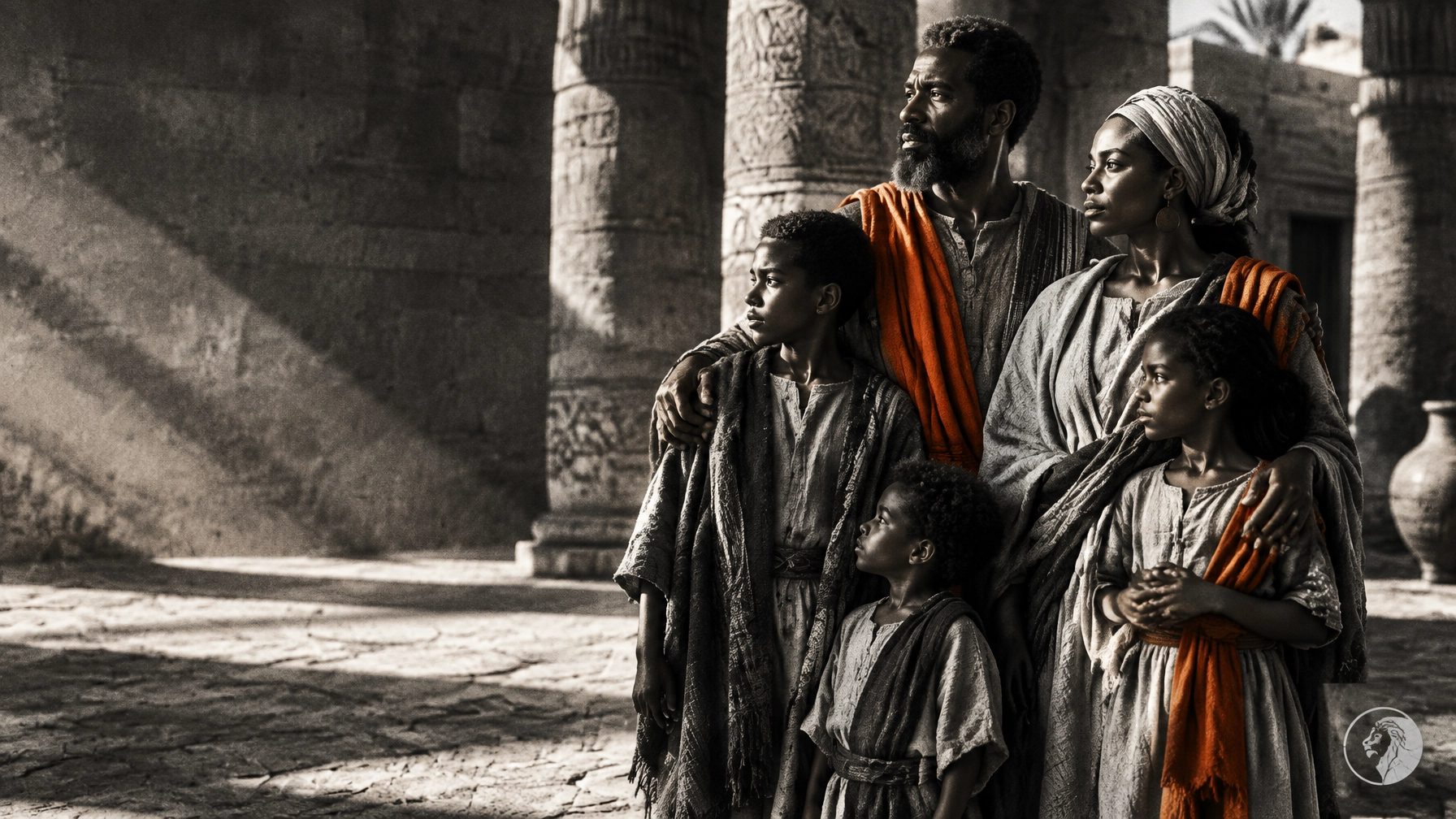
    Black Afro-Asiatic travelers in a teal-green monochrome cinematic landscape, preparing for a purposeful journey beneath monumental stone architecture

    Preparation changes the quality of the journey before the road tests it.


    3. Keep Your Attention Undivided

    A focused driver is a disciplined driver.

    This sounds obvious, yet distraction has become normalized. Notifications, navigation changes, food, conversations, podcasts, music selection, and emotional rumination all compete for the same limited resource: attention.

    Faith while driving requires you to honor the assignment in front of you.

    When you are behind the wheel, your primary assignment is safe travel.

    Establish a no-touch cockpit

    Before moving:

    • Set your destination in navigation.
    • Activate driving mode or Do Not Disturb.
    • Place your phone in a mounted position or secured compartment.
    • Choose your playlist in advance.
    • Adjust mirrors and climate controls.
    • Fasten your seat belt.
    • Tell passengers that urgent conversations can wait.

    If you need to text, call, change navigation, eat, journal, or pray aloud at length, pull over somewhere legal and safe.

    The National Highway Traffic Safety Administration identifies visual, manual, and cognitive distractions as major categories of driving risk. A faith-rooted approach takes all three seriously.

    Do not spiritualize distraction

    It is possible to turn devotion into another form of negligence.

    Reading a Bible app at a stoplight is still a problem if the light changes and you are not ready. Watching a sermon while driving is not a higher form of faithfulness. Closing your eyes for a longer prayer is not an act of trust.

    Your attention is part of your offering.

    Safe driving can become worship because it demonstrates discipline, care, and love for the people around you. The road does not need a distracted believer. It needs a responsible one.

    Use audio with restraint

    Audio can support a calm atmosphere, but volume and intensity matter.

    Choose sound that helps you remain alert without hijacking your focus. If you find yourself singing aggressively, emotionally escalating, or reaching for the controls repeatedly, the soundtrack has become a distraction.

    Turn it down. Pause it. Pull over if needed.

    The standard is not whether the song is faith-based. The standard is whether your driving remains attentive and safe.


    4. Practice Patience as a Form of Strength

    Impatience often disguises itself as urgency.

    You tell yourself you are simply trying to be efficient, but your speed, lane changes, following distance, and reactions reveal something else. You are trying to control an environment that contains other people.

    That is impossible.

    Peaceful driving begins when you release the fantasy that everyone else will move according to your preferred timeline.

    Replace retaliation with room

    When another driver merges too closely, blocks the passing lane, misses a turn, or moves slowly, create space.

    That may mean:

    • Letting them merge.
    • Increasing your following distance.
    • Refusing to race.
    • Avoiding eye contact or gestures.
    • Changing lanes without making a point.
    • Allowing a few extra minutes for the trip.
    • Pulling over if anger is affecting your judgment.

    Patience is not weakness. It is the ability to maintain control over yourself when you cannot control the environment.

    That is leadership in miniature.

    Use the three-breath reset

    When anger spikes:

    1. Exhale slowly.
    2. Relax your grip.
    3. Drop your shoulders.
    4. Look farther down the road.
    5. Repeat: “I do not need to answer this.”

    You do not have to win an interaction with a stranger you will never see again.

    You do not need to prove that you were right.

    You need to arrive safely.

    Turn delays into training

    Traffic can train you to practice:

    • restraint,
    • flexibility,
    • humility,
    • awareness,
    • emotional recovery,
    • and respect for other people’s humanity.

    The delay is not automatically meaningful. But your response can become meaningful.

    This is where purpose becomes a rhythm. You do not only live your values in the conference room, sanctuary, or coaching session. You practice them in the unremarkable spaces between destinations.


    5. Use Music and Prayer Without Creating New Distractions

    Christian music for driving can shape the emotional temperature of a trip.

    The right sound can help you transition from anxiety to calm, from work intensity to home presence, or from scattered thinking to focused preparation. But music should serve the journey: not replace awareness.

    Avodah Sound describes its Drive & Decompress collection as a selection of hip-hop, trap-soul, and cinematic vocal cuts for the commute home. The goal is not background noise. It is intentional atmosphere for the space between work and home.

    Build three driving playlists

    Morning: Set the direction

    Choose music that creates clarity and energy without pushing you toward aggression. Instrumental hip-hop, cinematic textures, and focused vocal tracks can help establish your intention for the day.

    Midday: Protect attention

    Use lower-intensity sound when you are moving between meetings, appointments, or responsibilities. Stable, predictable sound can reduce the temptation to overthink.

    Evening: Decompress with boundaries

    The commute home should not become a runway for carrying every conflict into your house. Use reflective music to process the day, but do not let the drive become a place where you replay every conversation endlessly.

    The Christian focus music for deep work resource also offers a helpful principle: sound should create an environment that supports concentration without demanding constant attention.

    Use brief prayers

    Short prayers are safer than extended mental rehearsals.

    Try:

    • “Give me patience.”
    • “Help me arrive present.”
    • “Guard my thoughts.”
    • “Teach me to release this.”
    • “Let me protect life with my choices.”
    • “Give me wisdom for the next mile.”

    If the prayer causes you to lose awareness of traffic, stop praying aloud and return your full attention to driving. Faith does not require you to perform devotion while neglecting responsibility.

    For an additional SoundCloud option, listen to The Arrival set by Avodah Dynamics on SoundCloud. For the broader driving library, visit Avodah Sound or avodahsound.com.


    6. Treat Travel as Purposeful Transition Time

    Travel is rarely neutral.

    You are usually leaving one environment and entering another:

    • home to work,
    • work to home,
    • school to practice,
    • one client to the next,
    • one city to another,
    • one season of responsibility into another.

    If you do not define the transition, the previous environment will often follow you.

    That is why purposeful travel needs a transition architecture.

    Use the three-part travel frame

    Before the trip: Align

    Ask, “What am I carrying into this drive?”

    Name the emotion without surrendering to it. You may be disappointed, anxious, angry, excited, tired, or uncertain. Naming the condition gives you a chance to lead it.

    During the trip: Attend

    Stay with the road. Notice your speed, spacing, body tension, and reactions. Let safe driving become the physical practice of presence.

    After the trip: Arrive

    Before exiting, take ten seconds to decide what you are bringing into the next room.

    If you are arriving home, do not carry the office through the front door by default. If you are arriving at work, do not let a tense morning dictate your leadership. If you are arriving at a difficult conversation, enter with clarity rather than emotional residue.

    Purposeful travel is not about making every commute inspirational. It is about refusing to travel unconsciously.

    Create a destination declaration

    Keep it simple:

    • “I am going to serve with clarity.”
    • “I am going home with presence.”
    • “I am entering this meeting prepared.”
    • “I will not let fear lead the next conversation.”
    • “I will carry discipline into the room.”

    The declaration does not control the outcome. It establishes your operating posture.

    That is the difference between a mood and a protocol.

    Close-up of rich brown Black Afro-Asiatic hands resting calmly on a steering wheel, with a single teal-green line suggesting focus and forward motion

    The next destination deserves your attention: not the emotional residue of the last one.


    7. Build a Recovery Protocol for Stress, Fatigue, and Failure

    No driver executes perfectly.

    You will miss a turn. You will become impatient. You will arrive more tense than you intended. You may make a poor decision or realize you should have pulled over sooner.

    The answer is not shame. The answer is recovery.

    A strong protocol assumes failure points and provides a next action.

    If you are anxious

    Reduce stimulation. Lower the volume. Increase following distance. Move to the right lane when appropriate. Pull over safely if your breathing, vision, or judgment is impaired.

    If anxiety while driving is frequent or severe, speak with a qualified mental-health professional and a medical provider. Faith and professional care do not compete. Support can be part of wise stewardship.

    If you are angry

    Do not chase, confront, or retaliate.

    Exit the situation. Create distance. Pull over if necessary. Let your nervous system come down before continuing.

    Your goal is not to feel peaceful instantly. Your goal is to avoid making the situation worse.

    If you are fatigued

    Fatigue is not a character test.

    Stop. Rest. Change drivers. Find a safe location. Use a hotel if needed. Coffee and loud music are not substitutes for adequate rest.

    Drowsy driving can impair judgment and reaction time in ways that resemble intoxication. The disciplined choice is to interrupt the trip.

    If you are distracted

    Park before handling the phone, navigation, food, or any other task. Do not negotiate with the distraction.

    A notification can wait. A safe arrival cannot.

    If you make a mistake

    Acknowledge it without spiraling:

    1. Identify what happened.
    2. Correct it safely.
    3. Learn the trigger.
    4. Adjust the system.
    5. Continue with humility.

    This is the same architecture required for professional growth. Vision without execution is fantasy. Execution without review becomes repetition. The builder learns, adjusts, and returns to the protocol.


    A Seven-Day Roadwork Practice

    Use this short implementation plan to make the protocol operational.

    Day 1: Secure the cockpit

    Remove unnecessary items, mount your phone safely, activate driving mode, and choose a default playlist.

    Day 2: Practice the departure pause

    Take 60 seconds before every trip to breathe, name your destination, and set one intention.

    Day 3: Train patience

    Choose one moment to let another driver merge without resentment or performance.

    Day 4: Audit your sound

    Notice whether your music helps you stay focused or pulls you into emotional intensity.

    Day 5: Protect the transition

    Before arriving at work or home, decide what you will carry into the next environment.

    Day 6: Plan for fatigue

    Identify safe places to stop on your regular routes. Build rest into long-distance travel before you need it.

    Day 7: Review the system

    Ask:

    • When did I feel most distracted?
    • What triggered impatience?
    • Which sounds helped?
    • Did I arrive mentally present?
    • What needs to change in my travel architecture?

    This is not about earning a perfect score. It is about becoming more intentional over time.


    Internal Resource Tags

    Continue building your Seasons of Life and Kingdom Builder practice with these real Avodah resources:

    The road will continue to test your attention.

    Your response can become more structured.

    You can drive with faith without driving distracted. You can practice peaceful driving without pretending every trip is easy. You can pursue purposeful travel without forcing every mile to become profound.

    The protocol is simple:

    Protect life.
    Prepare your atmosphere.
    Keep your attention.
    Practice patience.
    Use sound wisely.
    Transition with intention.
    Recover without shame.

    That is Work Is Worship in motion.

    Ready to turn daily intention into disciplined execution? Start the Tribal Challenge and build the rhythms that carry your faith beyond the destination.

    Frequently Asked Questions

    What is Christian driving?

    Christian driving is the practice of applying faith-rooted values: stewardship, patience, self-control, attentiveness, humility, and care for others: to the act of driving. It includes practical safety behaviors such as obeying traffic laws, avoiding distractions, driving sober and rested, and protecting vulnerable road users.

    What are good Christian driving prayers?

    Good Christian driving prayers are brief and focused on alertness, wisdom, patience, protection, and responsibility. A simple prayer is: “God, keep me alert, patient, and aware. Help me protect everyone who shares this road with me and arrive with peace. Amen.” Pray before driving or while safely parked. Do not allow prayer to distract you from the road.

    How can I practice faith while driving without losing focus?

    Prepare spiritually before starting the vehicle, secure your phone, choose audio in advance, and use short prayers or Scripture phrases only when they do not compromise attention. The safest expression of faith while driving is responsible, attentive, patient travel.

    What is the best Christian music for driving?

    The best Christian music for driving is music that supports alertness, peace, and purposeful transition without creating distraction. Instrumental, cinematic, ambient, hip-hop, trap-soul, and worship-oriented tracks can work depending on the driver and context. Keep the volume controlled and choose music before moving.

    How can I stop road rage as a Christian?

    Create physical distance, slow down, avoid retaliation, and refuse to engage with another driver. Use a three-breath reset, relax your grip, and remind yourself that you do not need to win the interaction. If anger continues to affect your driving, pull over safely and resume only when you can operate with control.

    Can I listen to the Bible while driving?

    You may listen to Scripture through an audio Bible if it does not interfere with attention, navigation, or awareness. Do not read a Bible app while driving, and do not treat audio as a reason to increase volume or ignore traffic conditions. Safe driving remains the primary responsibility.

    What should I do if anxiety makes driving difficult?

    Reduce stimulation, slow down safely, increase following distance, and pull over if your breathing, vision, or judgment is impaired. If driving anxiety is frequent or severe, seek support from a qualified mental-health professional and medical provider. Spiritual practices can support professional care but should not replace it.
  • Christian Exercise: 7 Biblical Protocols to Strengthen Your Body and Steward Your Calling

    Christian Exercise: 7 Biblical Protocols to Strengthen Your Body and Steward Your Calling

    Your body is part of your calling.

    That does not mean fitness becomes your identity. It means your physical capacity affects how you work, lead, serve, create, and remain present for the people and responsibilities God has placed in your life.

    Christian exercise is not about chasing an image, punishing yourself, or turning discipline into vanity. It is about stewardship. Your body is an instrument for work, worship, service, and sustainable impact.

    The question is not simply, “How do I get in shape?”

    The better question is:

    How do I build a body and rhythm capable of carrying what I am called to carry?

    Romans 12:1 describes presenting the body as a living sacrifice. First Corinthians 6:19–20 reminds us that the body belongs to God. First Timothy 4:8 acknowledges that physical training has value while placing it beneath the greater priority of godliness.

    That gives us a balanced architecture: train the body, form the character, and keep the calling at the center.

    Here are seven biblical protocols for Christian exercise that help you build strength without losing alignment.

    1. Build for stewardship, not appearance

    The first protocol is motive.

    Exercise can become another form of performance. You may begin by wanting energy and end by measuring your worth through the mirror, the scale, or the approval of other people. That is not freedom. It is another form of bondage.

    A stewardship mindset asks a different question:

    Will this habit help me serve with greater strength, clarity, and consistency?

    Your body supports your ability to work long hours with wisdom, show up for your family, lead your team, care for your community, and remain emotionally present under pressure. Strength is capacity.

    That does not make appearance irrelevant. It simply puts appearance in its proper place.

    Create a training goal connected to real life:

    • More energy during the workday
    • Better mobility and posture
    • Greater cardiovascular capacity
    • Improved sleep
    • Reduced stress
    • Strength to serve and lead for the long term

    This is the difference between a body project and a stewardship protocol.

    2. Choose consistency over intensity

    Most people do not need a more extreme plan. They need a rhythm they can actually maintain.

    The best Christian exercise plan is not the one that produces the most dramatic week. It is the one you can repeat through busy seasons, travel, deadlines, disappointment, and fatigue.

    Start with a realistic weekly structure:

    • Two or three strength sessions
    • Two moderate cardio or walking sessions
    • Daily mobility or stretching
    • One intentional recovery day
    • Regular hydration and nourishing meals

    You do not need to begin with a two-hour routine. Begin with a repeatable commitment.

    Consistency builds trust with yourself. It also trains self-control, one of the fruits of the Spirit named in Galatians 5:22–23. Every time you keep a wise commitment, you reinforce the identity of someone who can move with intention.

    Black and Afro-Asiatic figures walking together along an ancient stone path, symbolizing consistency and shared discipline, monochrome with crimson accent

    3. Train your body without worshiping your body

    Physical discipline is valuable. It is not ultimate.

    First Timothy 4:8 gives Christian exercise a healthy boundary: bodily training has some value, but godliness has value in every way. Fitness should support your spiritual life, not replace it.

    Watch for signs that exercise has become an idol:

    • Missing training creates shame instead of simple disappointment
    • Your schedule protects the gym but neglects people
    • Your body becomes your primary source of confidence
    • You judge others by their appearance
    • You cannot rest without feeling guilty
    • You are pursuing an aesthetic at the expense of health

    The goal is not to become obsessed with the temple. The goal is to honor the One who entrusted it to you.

    A useful practice is to begin training with a brief prayer of dedication:

    “God, help me steward this body with wisdom. Make my strength useful, my discipline humble, and my ambition aligned.”

    That prayer does not replace the workout. It gives the workout its proper orientation.

    4. Make discipline practical, not emotional

    Motivation is unreliable. Protocols are stronger.

    If your exercise routine depends on feeling inspired, you will eventually stop. A professional life already contains enough unpredictability. Your health habits need structure that reduces decision fatigue.

    Design the environment before the emotion arrives:

    1. Choose your training days in advance.
    2. Prepare clothing and water the night before.
    3. Put the workout on your calendar.
    4. Use a simple routine you understand.
    5. Track completion rather than chasing perfection.
    6. Create a minimum version for difficult days.

    Your minimum version might be a ten-minute walk, three sets of bodyweight movements, or mobility work before bed. The goal is not to pretend every day is the same. The goal is to keep the rhythm alive.

    This is the same principle behind the Blueprint-driven Avodah Ecosystem: vision needs architecture. Vision without execution is fantasy.

    Christian exercise becomes sustainable when your convictions have a system to live inside.

    5. Train for service and leadership

    Strength is not only personal. It is relational.

    A stronger, healthier body can expand your capacity to carry responsibility. You may have more patience with your children, greater stamina in your work, and more resilience during demanding seasons. Physical training can prepare you to serve instead of constantly recover from neglect.

    David דָּוִד: strength under pressure

    David was a shepherd, musician, warrior, and king. His physical life was connected to responsibility. He developed courage in hidden places before he carried public authority.

    His example reminds us that preparation often happens before recognition. Avodah Dynamics exists to help first-generation dreamers and emerging leaders build the capacity to carry impact with integrity.

    Nehemiah נְחֶמְיָה: endurance for the assignment

    Nehemiah led the rebuilding of Jerusalem’s walls while facing opposition, fatigue, and distraction. His work required vision, organization, and endurance.

    His story connects physical stewardship to human-impact innovation: builders need enough capacity to keep working when the assignment becomes inconvenient.

    Train so you can contribute. Move so you can remain available. Build health as part of your leadership infrastructure.

    Black Afro-Asiatic woman performing a controlled lunge on ancient stone steps, with community service preparation in the background, monochrome with crimson accent

    6. Treat rest as part of the protocol

    Rest is not the enemy of discipline. It is one of its expressions.

    A body that never recovers cannot remain strong. Sleep, lower-intensity days, nourishment, and emotional decompression help your training produce sustainable results.

    Rest also confronts the belief that your value depends on constant output.

    The Kingdom does not need you exhausted, reactive, and unable to think clearly. It needs you whole enough to make wise decisions.

    Build recovery into your week:

    • Protect a consistent sleep window
    • Take at least one lower-intensity day
    • Eat enough to support your training
    • Reduce unnecessary late-night stimulation
    • Practice stillness without reaching for your phone
    • Notice pain before it becomes injury

    In difficult seasons, adjust the protocol instead of abandoning it. A walk may be more faithful than a hard workout. Gentle mobility may be more wise than forcing intensity.

    Stewardship includes listening.

    7. Lock in with community and identity

    Private ambition has limits. Community gives discipline a place to mature.

    Working out alone can be effective, but shared commitment strengthens consistency. The right community provides encouragement, accountability, perspective, and a reminder that you are becoming more than your current mood.

    That is why the Tribal Challenge integrates movement, hydration, prayer, Scripture, reflection, and community into a 100-day structure. It is not only a fitness plan. It is an identity-building protocol designed to connect body, mind, and spirit.

    Daniel דָּנִיֵּאל: disciplined identity in a foreign system

    Daniel maintained his convictions while serving inside Babylon’s political system. His discipline was not about isolation; it was about remaining aligned while operating in a demanding environment.

    That matters for faith-driven professionals. You are not called to disappear from the marketplace. You are called to carry integrity into it.

    Christian exercise can become one part of that identity: an everyday practice that reminds you that you are Built Different, Called to More, and responsible for how you steward your influence.

    A simple Christian exercise protocol for this week

    Do not wait for a perfect plan. Start with a seven-day rhythm:

    • Day 1: 30-minute walk and prayer
    • Day 2: Full-body strength session
    • Day 3: Mobility and recovery
    • Day 4: Moderate cardio
    • Day 5: Full-body strength session
    • Day 6: Outdoor activity or longer walk
    • Day 7: Rest, reflection, and preparation

    Track three things:

    1. Did I move?
    2. Did I recover?
    3. Did my choices support my calling?

    That is enough to begin building evidence of a new rhythm.

    Final word: strengthen what carries the assignment

    Christian exercise is not about becoming impressive. It is about becoming available.

    Your body carries your work, relationships, leadership, service, and witness. Caring for it is not a distraction from your purpose. It can be part of how you prepare to live it.

    Start small. Build structure. Refuse shame. Let discipline become an act of gratitude rather than punishment.

    For deeper tools, explore the Avodah Books library, then pair your training with a focused soundtrack from Avodah Sound. Let the rhythm support the work.

    Work Is Worship when your habits help you carry the assignment with integrity.

    If you have a medical condition, injury, or special training concern, consult a qualified healthcare professional before beginning a new exercise program.

    Frequently Asked Questions

    What is Christian exercise?

    Christian exercise is physical training practiced through the lens of faith, stewardship, discipline, and service. It treats the body as a gift entrusted by God rather than an object of vanity or self-worth.

    Does the Bible command Christians to exercise?

    The Bible does not prescribe one specific workout routine, but it affirms bodily training as valuable and calls believers to honor God with their bodies. Exercise can be a wise application of those principles.

    How often should Christians exercise?

    A sustainable starting point is two or three strength sessions, two moderate cardio sessions, daily light movement, and at least one recovery day each week. Adjust according to your health, schedule, age, and capacity.

    Can exercise become an idol?

    Yes. Exercise becomes unhealthy when appearance, performance, or control replaces God as the source of identity. Stewardship keeps physical training connected to humility, service, health, and wise limits.

    What if I miss a workout?

    Resume at the next reasonable opportunity. Do not turn one missed session into an identity statement. Grace supports accountability; it does not require perfection.

    Is the Tribal Challenge only for athletes?

    No. The Tribal Challenge is designed around daily disciplines, including movement, hydration, prayer, Scripture, fasting, reflection, and community. The goal is consistent transformation, not athletic performance.

  • The Family Protocol: 7 Biblical Leadership Strategies for Building a Household That Leads With Purpose

    The Family Protocol: 7 Biblical Leadership Strategies for Building a Household That Leads With Purpose

    Leading a family is executive leadership.

    You are setting vision, allocating resources, shaping culture, resolving conflict, developing people, and preparing the next generation to carry responsibility. The household is not separate from your leadership assignment. It is the first organization that reveals whether your values can survive pressure.

    A Christian parent does not need more inspirational slogans. They need a structure.

    Vision without execution is fantasy. Biblical leadership turns conviction into repeatable rhythms: clear enough for children to understand and strong enough for adults to practice when life gets loud.

    At Avodah Dynamics, we are reclaiming the Monday-to-Saturday hustle as a masterclass in biblical leadership development and christian lifestyle for a higher purpose.

    This is the Family Protocol: seven strategies for leading your household with authority, humility, and purpose.

    1. Establish a Shared Vision Before You Manage Activity

    Biblical principle: Nehemiah’s burden became a plan.

    Nehemiah: Nechemyah, meaning “Yahweh comforts”: was a governor and builder who inspected broken walls, clarified the threat, organized people, and rebuilt what protected the community. His relevance is direct: Kingdom leadership does not stop at noticing what is broken. It creates an executable architecture for restoration.

    A household without a shared vision defaults to reacting. Every schedule becomes a negotiation. Every financial decision becomes a conflict. Every correction feels personal because there is no larger standard.

    Define what your family is building.

    Ask:

    • What do we want our home to be known for?
    • What does integrity look like in our decisions?
    • How will we use our time, money, gifts, and influence?
    • What kind of people are we becoming together?

    Write a short family purpose statement. Keep it visible. Review it monthly.

    For a deeper framework on rebuilding what matters, study Nehemiah’s Blueprint for Strategic Execution.

    2. Use Authority to Serve, Not Control

    Biblical principle: Yeshua’s authority was expressed through service.

    Yeshua: Jesus, the Messiah: redefined greatness through sacrificial service. His leadership was not passive or weak. He used authority to heal, teach, protect, correct, and prepare others to carry responsibility.

    That is the standard for family leadership.

    Control asks, “How do I get everyone to comply?”

    Servant leadership asks, “How do I help this household become healthy, capable, and aligned?”

    Practical application:

    • Listen before issuing correction.
    • Remove obstacles that keep your family from growing.
    • Share responsibilities instead of protecting your own convenience.
    • Correct behavior without attacking identity.
    • Make decisions that protect the vulnerable, not just the powerful.

    The stakes are generational. Children learn what authority means by watching how authority is practiced at home. If leadership always looks like anger, silence, or domination, they will either reproduce it or spend years recovering from it.

    Structure over sermons. Your household will remember the pattern long after it forgets the lecture.

    Black Afro-Asiatic parents listening to their children in a stone household doorway

    3. Build Rhythms That Make Alignment Automatic

    Biblical principle: Moshe turned instruction into a daily rhythm.

    Moshe: Moses, meaning “drawn out”: led a people through transition by establishing laws, practices, delegation, and repeated instruction. His relevance is not only deliverance. He created a structure capable of carrying identity across generations.

    A family cannot rely on occasional intensity. You need repeatable rhythms.

    Consider a weekly Family Operating System:

    • Daily: ten minutes of prayer, Scripture, or honest conversation.
    • Weekly: one household meeting for schedules, needs, and decisions.
    • Monthly: a financial and stewardship review.
    • Quarterly: a family retreat to evaluate direction and celebrate growth.

    The objective is not religious performance. It is alignment.

    The meaning of Avodah is work, worship, and service held together. That means meal preparation, budgeting, conflict repair, schoolwork, career decisions, and rest can all become expressions of Work Is Worship when handled with integrity.

    A rhythm reduces decision fatigue. It gives children a safe structure for participation. It keeps adults from confusing busyness with progress.

    4. Know the People You Lead

    Biblical principle: David led through relationship before expansion.

    David: Dawid, meaning “beloved”: was a shepherd, warrior, musician, and king whose leadership developed through close attention to people, threats, and responsibility. His relevance is found in the shepherd’s posture: leadership begins with knowing what has been entrusted to you.

    Leading your family requires more than providing resources. You must know the people behind the needs.

    Schedule individual time with each family member. Ask better questions:

    • What has been energizing you?
    • What are you afraid to say?
    • Where do you feel overlooked?
    • What responsibility do you want to grow into?
    • What do you need from me in this season?

    Do not confuse proximity with connection. A household can share an address and still operate as disconnected departments.

    The stakes are high. Unseen problems become expensive problems. Unspoken disappointment becomes resentment. Unrecognized gifts remain undeveloped.

    Family leadership is not surveillance. It is attentive stewardship.

    5. Model Repentance Before You Demand Perfection

    Biblical principle: Yosef chose integrity and restoration over revenge.

    Yosef: Joseph, meaning “may he add”: moved from betrayal to influence without allowing power to corrupt his character. His story demonstrates that leadership is tested not only by success, but by how you handle wounds, authority, and reconciliation.

    Your family does not need a flawless leader. They need a truthful one.

    When you lose your temper, name it. When you neglect a responsibility, own it. When your decision causes harm, apologize without attaching an excuse.

    A useful repentance protocol has four steps:

    1. State what you did.
    2. Name the impact.
    3. Ask forgiveness.
    4. Identify the change you will make.

    “I’m sorry you felt that way” is not repentance. “I raised my voice, dismissed your concern, and made the room unsafe. I was wrong. Will you forgive me? Next time, I will pause before responding” is leadership.

    This creates psychological and spiritual safety. It also teaches children that strength is not the absence of failure. Strength is the discipline to repair what failure damaged.

    For a framework on character, conflict, culture, stewardship, and legacy, read The Joseph Protocol.

    6. Delegate Responsibility and Prepare Successors

    Biblical principle: Avraham trained his household to carry a covenant.

    Avraham: Abraham, meaning “father of a multitude”: was called to build a household and legacy larger than his individual life. His relevance is succession: the assignment was never only about what he could accomplish. It was about what could continue through those he formed.

    Parents often fail in two opposite ways:

    • They give children responsibility without instruction.
    • They provide instruction without responsibility.

    Kingdom leadership requires both.

    Create a responsibility ladder:

    • Observe: Let children watch how decisions are made.
    • Assist: Give them a defined role.
    • Own: Let them manage an appropriate task.
    • Report: Teach them to explain what happened.
    • Improve: Invite them to suggest a better process.

    This might involve meal planning, saving money, caring for a younger sibling, preparing hospitality, serving at church, or managing a personal project.

    Delegation is not dumping. It includes clear expectations, resources, checkpoints, and feedback.

    Your goal is not to raise dependents who need your constant direction. Your goal is to develop capable people who can lead with wisdom when you are not in the room.

    Black Afro-Asiatic family members repairing a stone wall together in an ancient courtyard

    7. Protect the Culture of the Home

    Biblical principle: Ruth and Boaz built covenant through loyalty and provision.

    Ruth: Rut, meaning “friend or companion”: demonstrated courageous loyalty in a season of uncertainty. Boaz: Bo’az, often associated with strength: used his position to provide protection, dignity, and lawful covering. Together, their story shows how covenant culture turns ordinary decisions into generational impact.

    Your family culture is formed by what you repeatedly reward, tolerate, celebrate, and repair.

    Establish a household standard for:

    • How conflict is handled.
    • How guests are welcomed.
    • How money is discussed.
    • How work is honored.
    • How elders are treated.
    • How apologies are received.
    • How people are protected from shame and neglect.

    Culture is not what you announce. It is what people experience consistently.

    This is where stewardship matters. Chazon Strategies™ functions within the Avodah Ecosystem as the practical financial literacy, stewardship, and legacy engine: helping families move from vague hopes to responsible systems.

    Use the Kingdom Discipline Protocols to turn household values into calendar-level practices.

    The Family Protocol in One Page

    A purpose-driven household:

    1. Defines its vision.
    2. Serves through authority.
    3. Builds repeatable rhythms.
    4. Knows its people.
    5. Models repentance.
    6. Delegates responsibility.
    7. Protects its culture.

    That is biblical leadership in action.

    Your home does not need to look impressive from the outside. It needs to be aligned on the inside. The goal is not to manufacture a perfect family. The goal is to build a household capable of carrying faith, wisdom, responsibility, and love into every room it enters.

    That is what it means to be Built Different.

    That is what it means to live After :Sundays.

    That is how an Avodahian turns ambition into aligned, sustainable action: starting at home.

    Soundtrack for the Build

    Pair this protocol with the purpose-driven sound of Avodah Sound while you plan your next family meeting, stewardship review, or household reset.

    One Clear Next Step

    If your household needs more than inspiration: if you need a practical architecture for vision, communication, responsibility, and legacy: explore leadership coaching through the Avodah Ecosystem. Build the protocol. Lead the household. Carry the Kingdom forward.

    Frequently Asked Questions

    What is biblical leadership in the family?

    Biblical leadership in the family is the disciplined practice of setting direction, serving people, protecting culture, developing responsibility, and aligning household decisions with God’s purposes.

    How can a Christian parent lead without becoming controlling?

    A Christian parent leads without control by using authority to serve, listening before correcting, setting clear standards, sharing responsibility, and modeling repentance when they fail.

    What is the most important family leadership strategy?

    The most important strategy is establishing a shared vision. Without a clear purpose, family routines become reactive and disconnected. Vision gives every decision a standard.

    How do you build a household that leads with purpose?

    Build a household that leads with purpose by creating a family mission, establishing weekly rhythms, practicing honest communication, managing resources wisely, delegating responsibility, and protecting the culture of the home.

  • What Is Mishpat? The Ancient Hebrew Word That Turns Justice Into Kingdom-Building Action

    What Is Mishpat? The Ancient Hebrew Word That Turns Justice Into Kingdom-Building Action

    Justice is easy to applaud and difficult to architect.

    A post can signal outrage. A leader can issue a punishment. A company can publish values. None of that automatically creates justice.

    The Hebrew word מִשְׁפָּט (mishpat) moves deeper. It describes judgment, justice, right order, and equitable action: the work of making decisions that restore what is right and protect what is due to people.

    That makes mishpat more than a courtroom concept. It belongs in the boardroom, the budget meeting, the classroom, the family, the marketplace, and every place where power affects people.

    For the Avodahian, justice is not performance. It is architecture.

    Work Is Worship. Build Your Life. Build God’s Kingdom.

    1. What is mishpat in Hebrew?

    Mishpat comes from the Hebrew root שָׁפַט (shafat), meaning “to judge,” “to govern,” or “to decide.”

    The word can refer to:

    • A judgment or verdict
    • A legal decision
    • A standard or ordinance
    • A system of right order
    • Equitable treatment
    • The restoration of rights
    • The action required to correct what has been distorted

    So, the simplest answer to “what is mishpat?” is this:

    Mishpat is justice put into right-order action.

    It is not only identifying what is wrong. It is deciding what must happen next so that people, systems, and communities are treated rightly.

    This is why biblical justice cannot be reduced to punishment. Punishment may be part of judgment, but mishpat is larger. It asks:

    • What is true?
    • What is owed?
    • Who has been overlooked?
    • What decision restores order?
    • How should power be used?
    • What does integrity require now?

    A leader who talks about justice but refuses to examine systems has not completed the work of mishpat.

    2. Mishpat is not performative outrage

    Performative outrage is loud but often temporary. It reacts to visible wrongdoing without accepting responsibility for the structures that allowed it.

    Mishpat is different.

    It does not need an audience to act with integrity. It does not confuse public anger with moral courage. It does not punish the weakest person in the room simply because that decision is convenient.

    Biblical justice is measured by what happens after the speech:

    • Are wages fair?
    • Are expectations clear?
    • Are people heard before decisions are made?
    • Are leaders accountable?
    • Are vulnerable people protected?
    • Are resources stewarded without exploitation?
    • Are consequences proportional and consistent?

    The distinction matters in business and leadership. A company may celebrate inclusion while promoting through favoritism. A manager may condemn dishonesty while rewarding results achieved through manipulation. A founder may speak about purpose while underpaying the people carrying the vision.

    Mishpat exposes the gap between declared values and operational reality.

    That is Built Different leadership: not louder values, but aligned systems.

    3. Biblical justice creates right order

    The Bible repeatedly connects justice with the health of a people. In Deuteronomy, the law instructs leaders to judge fairly and avoid partiality. In the prophets, God confronts worship that is disconnected from justice. In Micah 6:8, doing mishpat is joined with loving mercy and walking humbly with God.

    The pattern is clear: worship that never reaches daily decisions is incomplete.

    Consider three biblical leaders:

    • Moshe (מֹשֶׁה; Moses) received and administered a justice system designed to prevent leadership from collapsing under its own weight. His relevance to Avodah’s mission is practical: faith-rooted innovation requires structures that distribute responsibility and protect people from arbitrary power.
    • Devorah (דְבוֹרָה; Deborah) served as a judge and leader who helped restore courage and order during a national crisis. Her example shows that justice requires discernment, courage, and the ability to mobilize people toward repair.
    • Yosef (יוֹסֵף; Joseph) used administrative authority to prepare Egypt for famine, preserving life through disciplined resource stewardship. His story connects justice to forecasting, financial systems, and the ethical use of influence.

    These leaders did not separate spiritual conviction from operational responsibility. Their calling became visible through decisions.

    4. Mishpat in leadership means using power responsibly

    Leadership is the management of power.

    You have power when you control:

    • Hiring
    • Access
    • Information
    • Compensation
    • Opportunities
    • Deadlines
    • Visibility
    • Consequences
    • Capital

    Mishpat asks whether that power is being used to serve the assignment or protect the leader’s ego.

    A mishpat-shaped leader builds decision protocols before pressure arrives. They do not improvise fairness based on who is in the room or who has the strongest personality.

    Use this leadership audit:

    1. Name the decision. What is actually being decided?
    2. Identify the stakeholders. Who carries the impact?
    3. Check the power gap. Who can speak freely, and who cannot?
    4. Gather the facts. Separate evidence from assumptions.
    5. Test for partiality. Would you make the same decision if the person had a different title, background, or relationship to you?
    6. Choose restoration over spectacle. What action creates durable right order?
    7. Document the standard. Justice that cannot be explained becomes favoritism.

    This is how vision becomes execution. Vision without execution is fantasy.

    Black Afro-Asiatic leaders in an ancient stone council chamber reviewing a decision with a balance scale, symbolizing equitable leadership

    5. Mishpat gives ethical business a backbone

    Ethical business is not merely avoiding scandal. It is building an enterprise where the way value is created does not destroy the people creating it.

    Mishpat applies to:

    Compensation

    Pay people clearly, on time, and in proportion to the value and responsibility they carry. Do not use vague promises to justify present exploitation.

    Contracts

    Write agreements that ordinary people can understand. Hidden terms may be legal and still violate the spirit of justice.

    Customer trust

    Do not sell urgency where there is no urgency. Do not manufacture insecurity to increase conversion. Excellence does not require manipulation.

    Hiring

    Build access pathways for capable people who may not have inherited networks, polished credentials, or familiar backgrounds.

    Credit

    Name the people whose labor made the outcome possible. Uncredited contribution is an invisible form of extraction.

    Growth

    Do not scale a broken foundation. Expansion that multiplies burnout, confusion, or dishonesty is not success. It is accelerated disorder.

    This is where Chazon Strategies™ functions within the Avodah Ecosystem: as the financial literacy, stewardship, and legacy engine that translates vision into practical execution protocols.

    Justice needs a budget. Integrity needs a process. Calling needs stewardship.

    6. The Mishpat Protocol for money and stewardship

    Money reveals what a system truly values.

    Use this five-part protocol when making a financial decision:

    1. Purpose: What assignment is this money serving?
    2. People: Who benefits, who carries risk, and who may be excluded?
    3. Proportion: Is the distribution reasonable relative to contribution and need?
    4. Protection: Does the decision preserve dignity, transparency, and future capacity?
    5. Proof: Can the decision be explained without hiding information?

    This protocol applies to personal budgets, nonprofit spending, payroll, pricing, investment, fundraising, and family stewardship.

    Mishpat does not demand identical outcomes in every situation. It demands truthful, responsible, equitable action.

    That distinction matters. Equality gives everyone the same thing. Equity considers what is needed for people to participate with dignity and opportunity.

    7. Mishpat changes workplace culture

    Culture is not what a company prints on the wall. Culture is what happens repeatedly without supervision.

    A mishpat-shaped workplace has:

    • Clear expectations
    • Consistent accountability
    • Transparent promotion criteria
    • Safe channels for reporting concerns
    • Leaders who accept correction
    • Meetings where quieter voices are not erased
    • Workloads that respect human limits
    • Conflict processes that seek truth before blame

    Conflict is one of the clearest tests of justice. The goal is not to avoid every disagreement. The goal is to create a reliable way through it.

    When conflict emerges:

    1. Slow the reaction.
    2. Hear each account without interruption.
    3. Separate intent from impact.
    4. Identify the actual breach.
    5. Define what repair requires.
    6. Establish the next standard.
    7. Follow up after the conversation.

    Forgiveness without repair can leave disorder intact. Accountability without mercy can become domination. Mishpat holds truth and restoration in the same structure.

    8. Mishpat turns calling into community impact

    Calling is not a private brand statement. It is a responsibility to the people your work touches.

    A designer practices mishpat by considering who can access the experience.
    An educator practices mishpat by refusing to define students by their current limitations.
    An entrepreneur practices mishpat by creating value without exploiting desperation.
    A pastor practices mishpat by protecting people from spiritual manipulation.
    A first-generation professional practices mishpat by building doors that were unavailable to them.

    Justice is not always dramatic. Sometimes it looks like a fair schedule, a corrected invoice, a transparent decision, a protected employee, or a mentor who shares information instead of hoarding access.

    This is the Monday-through-Saturday build. It is where ambition learns alignment.

    For a related framework on authority and kingdom order, study What Is Melech? through the Avodah discussion of Malchut. For the connection between justice-shaped righteousness and stewardship, use the Avodah Lexicon as the pathway to the What Is Tzedakah? study. Then connect the idea of daily execution to Looking for Success? Here Are 10 Things Every Kingdom Builder Should Know.

    9. A daily mishpat audit

    Before the workday closes, ask:

    • Where did I use power today?
    • Did my decision create clarity or confusion?
    • Did anyone carry a cost I refused to see?
    • Did I reward truth, skill, and integrity: or only visibility?
    • What needs to be repaired?
    • What standard must become a repeatable protocol?

    For builders navigating anxiety while carrying responsibility, Avodah’s Christian Help for Anxiety: Finding Stillness in the Noise of the Daily Grind offers a useful rhythm of naming pressure, grounding the body, and returning to the next faithful action.

    Mishpat is not a mood. It is a rhythm of responsible judgment.

    10. Justice is how the Kingdom becomes visible

    The Kingdom becomes visible through the quality of our decisions.

    Not through outrage alone.
    Not through ambition alone.
    Not through polished language.
    Not through success detached from stewardship.

    Mishpat teaches us to build with clean hands and clear structures. It calls the leader to make justice operational: to turn conviction into policy, compassion into access, wisdom into governance, and faith into daily action.

    That is the Avodahian standard:

    Built Different. Called to More. Work Is Worship.

    For a deeper listening rhythm while studying and applying this word, pair the article with the Avodah Sound library, created for builders carrying calling into ordinary workdays.

    When you are ready to convert this framework into a personal execution system, enter the Builder Blueprint through the Avodahian community. Do not merely admire justice. Architect it.

    Frequently Asked Questions

    What is mishpat?

    Mishpat (מִשְׁפָּט) is a Hebrew word meaning judgment, justice, right order, ordinance, and equitable action. It describes decisions and systems that uphold what is right and restore what has been violated.

    What is the mishpat meaning in the Bible?

    The biblical meaning of mishpat includes fair judgment, just governance, lawful order, and protection of people whose rights or dignity are at risk. It is justice expressed through action, not merely an emotion or opinion.

    What does mishpat mean in Hebrew?

    In Hebrew, mishpat comes from shafat, meaning “to judge” or “to govern.” It can describe a verdict, a legal process, a standard, or the right order a community is responsible to maintain.

    Is mishpat the same as punishment?

    No. Punishment can be one part of judgment, but mishpat is broader. It seeks truth, proportional accountability, restoration, and equitable order. Punishment without justice can become retaliation.

    How can leaders practice mishpat at work?

    Leaders can practice mishpat through transparent decisions, fair compensation, consistent accountability, accessible opportunities, honest conflict resolution, and systems that protect people from favoritism or exploitation.

  • Christian Deep Work: 7 Biblical Protocols to Reclaim Focus, Silence the Noise, and Build What Matters

    Christian Deep Work: 7 Biblical Protocols to Reclaim Focus, Silence the Noise, and Build What Matters

    Your attention is not a casual resource. It is raw material.

    Every notification, open tab, unnecessary meeting, and unresolved thought competes for the same limited space: your mind. When that space stays fragmented, your best work remains trapped in unfinished drafts, half-built ideas, and perpetual preparation.

    Christian deep work offers a better architecture.

    Deep work is sustained, distraction-free concentration on a demanding task. Christian deep work adds a deeper question: What is this focus serving? The goal is not productivity for its own sake. The goal is to direct your attention toward faithful stewardship, meaningful contribution, and work that reflects the Kingdom.

    What is Avodah? The Hebrew word עֲבוֹדָה describes work, service, and worship as a unified reality. In the Avodah Ecosystem, this becomes a practical operating system for people who are Built Different and Called to More. Your job, business, creative practice, leadership, and study can become an offering when they are structured around purpose instead of applause.

    That does not mean every task feels spiritual. It means every task can be handled with integrity.

    Vision without execution is fantasy.

    The modern workplace rewards responsiveness. Christian deep work rewards alignment. One asks, “How quickly can you react?” The other asks, “What deserves your full attention right now?”

    This distinction matters for the first-generation professional building without a clear template, the founder carrying a complex vision, the educator shaping culture, and the creative trying to make meaningful work in an attention economy designed to keep everyone scrolling.

    At Avodah Dynamics, we are reclaiming the Monday-to-Saturday hustle as a masterclass in biblical leadership development and christian lifestyle for a higher purpose.

    The following seven protocols are not sermons about trying harder. They are practical structures for reclaiming your focus, reducing mental noise, and building what matters without losing your soul.

    1. Install the Purpose Protocol Before You Open the Feed

    Focus begins before the work block.

    If you start the day by consuming notifications, headlines, messages, and other people’s priorities, your attention is already compromised before you touch your own assignment. You may be awake, but your mind is operating in response mode.

    Christian deep work requires an intentional first question:

    What matters most for this season, and what is my next faithful step?

    Purpose is not a vague feeling. It needs language, boundaries, and a visible place in your operating system. Write a one-sentence purpose statement for your current season. Make it specific enough to guide decisions.

    Examples:

    • Build a reliable client pipeline without compromising honest service.
    • Complete the research that will strengthen my leadership and expand my impact.
    • Create a body of work that gives first-generation professionals a clearer path.
    • Lead my team with excellence, patience, and measurable direction.
    • Finish the degree, certification, book, product, or project I have delayed.

    The point is not to make the statement sound impressive. The point is to make it useful.

    Protocol

    Before opening email or social media:

    • Name the season you are in.
    • Identify the one outcome that would make today meaningful.
    • Write the next physical action required.
    • Offer the work to God without trying to control the outcome.
    • Begin with the smallest executable step.

    This is where purpose becomes rhythm. You do not need a dramatic revelation every morning. You need a stable direction that helps you distinguish signal from static.

    Daniyyel (Daniel) modeled this kind of purposeful attention. He served inside a political system that did not share his allegiance, yet he did not allow the environment to define his inner architecture. His prayer rhythm remained intact under pressure. His relevance to the modern builder is clear: faith-rooted innovation requires a center strong enough to withstand external demands.

    Daniyyel’s excellence was not detached from devotion. It was formed by it. His work created trust, expanded his influence, and gave him access to rooms where decisions were made. That is the kind of human-impact innovation Avodah exists to cultivate: competence with conviction, excellence with integrity, and influence without spiritual compromise.

    For a related framework on high-stakes focus, see The Kingdom Builder Focus Protocol: 7 Ways to Protect Your Calling From Distraction.

    2. Build the Attention Gate

    Your environment is part of your theology.

    If your phone stays face-up beside your keyboard, if every app is allowed to interrupt you, and if your workspace is filled with visual clutter, you are not working inside a neutral environment. You are working inside an architecture designed for fragmentation.

    Christian deep work requires an attention gate: a deliberate boundary between what enters your mind and what receives your energy.

    The gate does not need to be complicated. It needs to be respected.

    Protocol

    Before beginning a deep work block:

    • Put your phone in another room or inside a bag.
    • Silence every nonessential notification.
    • Close every browser tab unrelated to the assigned task.
    • Keep only the documents, tools, and references required.
    • Tell colleagues or family members when you will be unavailable.
    • Keep paper nearby for distracting thoughts that need to be captured but not followed.

    This is not about becoming unreachable. It is about becoming responsible with your availability.

    There is a difference between being accessible and being constantly interruptible. Mature professionals understand that every interruption carries a switching cost. The mind must close one loop, open another, reconstruct context, and recover momentum. Multiply that cost across a full day and you may spend eight hours near your work without producing even two hours of meaningful progress.

    A disciplined environment lowers the number of decisions required to begin. The desk becomes a runway. The calendar becomes a boundary. The room tells your nervous system that it is time to build.

    Black Afro-Asiatic female guardian-scholar standing beside an Ancient Near East stone doorway, representing the attention gate in Christian deep work, monochrome with teal green accent

    The biblical pattern is not withdrawal from responsibility. It is protected attention.

    Yeshua (Jesus) regularly withdrew from crowds to pray and recover clarity. He served people deeply, but He did not allow every demand to dictate His next action. His focus was not cold or detached. It was ordered.

    That matters for professionals who confuse compassion with constant access. You can care about your team without answering every message instantly. You can serve clients without allowing every request to restructure your day. You can lead generously without surrendering your entire attention economy.

    The attention gate is not selfishness. It is stewardship.

    The Focus Protocol: A Christian Meditation Guide for Deep Work, Prayer, and Kingdom Clarity develops this principle through a structured rhythm of preparation, execution, and rest.

    3. Choose One Wall to Build

    Multitasking feels productive because it creates motion. It does not necessarily create progress.

    Christian deep work is built on monotasking: one meaningful task, one defined outcome, one protected block of time.

    This is especially important for ambitious professionals because ambition often generates too many open loops. You have the proposal, the course, the content calendar, the side business, the family responsibility, the leadership problem, and the idea that arrived at 2:00 a.m. All of it may matter. Not all of it can receive your attention today.

    Your work needs a wall.

    Protocol

    Choose one task that meets three conditions:

    • It contributes to a meaningful outcome.
    • It requires cognitive effort rather than passive administration.
    • It can be advanced within the time available.

    Then define what “done for this block” means.

    Do not write “work on the business.” Write “draft the three-part service proposal.” Do not write “study.” Write “complete the first two sections and create five review questions.” Do not write “plan content.” Write “outline next month’s four content pillars.”

    Ambiguity invites avoidance. Precision creates traction.

    Dawid (David) understood the power of a fixed point. Before facing Goliath, he did not attempt to solve every problem surrounding Israel. He focused on the immediate threat in front of him and acted from confidence in God’s character. His relevance to builders is not that every obstacle disappears. It is that courage becomes executable when the challenge is named.

    The one-wall principle is not a denial of the larger vision. It is how the larger vision becomes visible in the real world.

    A first-generation founder does not build the entire legacy in one quarter. They build the next product, improve the next process, serve the next customer, and document the next lesson. A leader does not transform an entire culture during one meeting. They establish one clear expectation, model it consistently, and reinforce it through systems.

    One wall at a time.

    Use a visible work card:

    Today’s wall:
    One outcome:
    First action:
    Block ends at:
    Definition of complete:

    When the urge to switch tasks appears, write the thought down. Do not obey it automatically. Attention is trained through repeated decisions.

    4. Install a Start Sequence

    The first ten minutes of deep work often determine the next sixty.

    Without a start sequence, you depend on mood. With one, you reduce friction and teach your mind how to enter concentration.

    A start sequence is not superstition. It is a repeatable transition from scattered attention to intentional effort.

    Protocol

    Use the same sequence whenever possible:

    • Clear the physical workspace.
    • Read your one-sentence purpose statement.
    • Review the desired outcome for the session.
    • Pray briefly for wisdom, discipline, and integrity.
    • Start the same soundscape or use silence.
    • Set a visible timer.
    • Begin with the next physical action, not more preparation.

    The sequence should be short enough to repeat and meaningful enough to create a shift.

    You may have noticed that athletes, musicians, surgeons, and high-performing creative teams use rituals before demanding work. Ritual reduces negotiation. It gives the body a familiar route into the task.

    For a faith-driven professional, the ritual can turn an ordinary workspace into a place of service. Not because the desk is sacred furniture, but because intention changes how you occupy it.

    Work is worship when your purpose belongs to God.

    That sentence does not excuse poor performance. It raises the standard. If the work is offered to God, then integrity matters. Accuracy matters. Preparation matters. Follow-through matters. Rest matters. The quality of the process becomes part of the offering.

    Sha’ul (Paul) wrote about disciplined effort, endurance, and running with intention. He did not describe a passive spirituality that waits for inspiration. He described training. His relevance to Avodah’s mission is practical: faith-rooted innovation needs habits capable of carrying vision through resistance.

    The start sequence is where identity becomes behavior. You stop saying, “I am trying to focus,” and begin operating as an Avodahian who has a protocol for focus.

    For a complementary sound-based approach, the Christian Music for Deep Work: 7 Playlist Protocols to Focus Your Mind and Build with Purpose explores how instrumental soundscapes can support writing, coding, studying, and strategic planning.

    5. Work in Measured Frequencies

    Deep work does not require a heroic six-hour sprint.

    For most professionals, a focused sixty-minute block is more valuable than an entire day of distracted effort. The goal is to create a repeatable frequency you can sustain across a week, a quarter, and a career.

    A useful Christian deep work block can follow a simple architecture:

    • Anchor: five minutes to clarify the outcome and settle your attention.
    • Build: forty-five to fifty minutes of single-task execution.
    • Stand down: five to ten minutes to record progress, capture the next step, and recover.

    The exact timing can change. The structure should remain.

    Black Afro-Asiatic male artisan-builder shaping one piece of wood in a Biblical-era courtyard, symbolizing one-task Christian deep work, monochrome with teal green accent

    During the build phase, do not measure your worth by speed. Measure your faithfulness by presence.

    Some tasks produce visible output quickly. Others require reading, thinking, editing, testing, listening, or solving a problem that has resisted you for weeks. Deep work protects the invisible labor that makes visible excellence possible.

    Use a simple session log:

    Task:
    Minutes focused:
    Progress made:
    Distraction noticed:
    Next step:

    This log helps you separate a difficult session from a failed session. You may not finish the proposal, but you may identify the core argument. You may not complete the design, but you may resolve the layout problem. You may not write the chapter, but you may discover the question the chapter must answer.

    That is progress.

    Scaling your capacity for focus requires gradual expansion. Start with one protected block per day, three or four days per week. Once the rhythm becomes stable, add a second block. Do not build an impossible schedule and then interpret its collapse as a character flaw.

    A sustainable architecture beats an impressive fantasy.

    This principle also protects against burnout. If your focus system requires constant adrenaline, it is not a system. It is an emergency.

    6. Protect the Sabbath of Attention

    Christian deep work is not endless labor with religious language attached.

    Rest is part of the architecture.

    The culture of constant output tells you that every quiet moment is an opportunity to optimize, monetize, respond, or improve. That mindset eventually turns even meaningful work into a threat. You stop building from conviction and start building from fear.

    Scripture gives a different pattern: labor, release, restoration, return.

    Sabbath is not only a weekly pause from professional tasks. It is a declaration that your identity does not depend on uninterrupted output. Sleep is not a reward for finishing everything. Margin is not proof that you lack ambition. Rest is a boundary that keeps ambition from becoming an idol.

    Protocol

    Design recovery into the workday and the week:

    • Stand up between deep work blocks.
    • Step outside without taking your phone.
    • Eat away from the workspace when possible.
    • End the workday with a written shutdown ritual.
    • Stop carrying unfinished tasks in your head; place them in a trusted system.
    • Protect a recurring period for worship, relationships, quiet, and restoration.
    • Review the week before beginning the next one.

    The shutdown ritual matters because an unclosed workday creates mental residue. Write down what was completed, what remains open, and what the next action will be. Then stop.

    Daniyyel prayed within a rhythm. Yeshua withdrew and returned. Dawid learned to recover in the presence of God before re-entering conflict. These examples are not invitations to escape responsibility. They show that sustained impact requires a source deeper than public demand.

    Black Afro-Asiatic builders resting in an Ancient Near East courtyard after labor, symbolizing sustainable Christian deep work rhythms, monochrome with teal green accent

    If you are already experiencing chronic exhaustion, emotional numbness, cynicism, sleep disruption, or dread that does not lift, do not use Christian productivity language to shame yourself into more output. Burnout may require honest conversation with a trusted pastor, qualified counselor, physician, or mental health professional. Faith and professional care do not compete.

    The goal is not to become a machine for Kingdom activity. The goal is to become a whole person capable of faithful, sustainable service.

    7. Review the Blueprint and Return Tomorrow

    Focus becomes powerful when it compounds.

    One excellent session can help. A reviewed and repeated session can reshape your professional life.

    The final protocol is a weekly review that connects attention to identity, purpose, and execution. Without review, you may repeat the same distractions while hoping for different outcomes. With review, you can see the architecture clearly.

    Protocol

    At the end of the week, ask:

    • What work created the most meaningful progress?
    • Which distractions repeatedly interrupted my attention?
    • What commitments should be removed, delegated, or renegotiated?
    • Did my calendar reflect my stated priorities?
    • Where did I work from fear, ego, or approval?
    • Where did I demonstrate integrity, courage, or service?
    • What is the one wall I need to build next week?

    Keep the review factual. Do not turn it into a courtroom.

    If you lost focus, identify the design flaw. Was the task too vague? Was the block scheduled during your lowest-energy hour? Was your phone within reach? Did anxiety about the outcome make avoidance feel safer? Did you accept too many commitments?

    A review turns shame into information.

    Sha’ul (Paul) consistently evaluated the work in front of him, adapted his approach, and continued serving across changing environments. His relevance for faith-rooted, human-impact innovation is clear: conviction does not eliminate strategy. It strengthens the reason to keep refining it.

    This is where the Christian deep work protocol becomes more than a productivity technique. It becomes a formation practice. You are becoming someone who can receive responsibility without being ruled by urgency. Someone who can create without needing constant validation. Someone who can lead without confusing busyness with significance.

    The Avodahian identity is not built through a slogan. It is built through repeated alignment.

    You clarify the purpose.
    You guard the gate.
    You choose one wall.
    You install the sequence.
    You work in measured frequencies.
    You protect rest.
    You review and return.

    That is how a calling moves from idea to infrastructure.

    The Christian Deep Work Blueprint

    Use this condensed version when you need to reset your day:

    Purpose: What matters most in this season?

    Outcome: What specific result will move it forward?

    Environment: What must be removed before I begin?

    Focus: What is the one task receiving my full attention?

    Frequency: How long will I work before I pause?

    Rest: What will help me recover instead of merely escape?

    Review: What did this session teach me about the next one?

    This blueprint serves the professional and the person. It can support a founder writing a strategy document, an educator designing a better learning environment, a creative finishing a body of work, or a leader preparing for a difficult conversation.

    The task changes. The architecture holds.

    Your Focus Protocol for the Next Build

    If you are ready to turn this framework into a consistent practice, join the Christian Productivity Challenge and Focus Protocol. Pair the work with the Avodah Sound library and use the Avodah Dynamics SoundCloud focus pairing as the sonic environment for your next deep work block.

    Do not wait for a quieter life before you focus. Build the structure that makes focus possible inside the life you have.

    You were not built to drift.

    You were built to build what matters.

    Frequently Asked Questions About Christian Deep Work

    What is Christian deep work?

    Christian deep work is sustained, distraction-free concentration on meaningful work, practiced as an act of stewardship and service to God. It combines practical focus systems with spiritual alignment, so productivity is directed toward integrity, purpose, and human impact rather than status or endless output.

    Is deep work compatible with Christian rest?

    Yes. Christian deep work requires rest because sustainable focus depends on recovery. Sabbath, sleep, margin, prayer, relationships, and unhurried reflection protect work from becoming an identity substitute. Rest reminds you that God: not your productivity: sustains your life.

    How long should a Christian deep work session be?

    Start with thirty to sixty minutes of protected attention. A common structure is five minutes of preparation, forty-five to fifty minutes of focused execution, and five to ten minutes of review. As your capacity grows, you can use longer blocks, including ninety-minute sessions, without treating duration as a measure of spiritual maturity.

    What should I do if I cannot focus while praying or working?

    Reduce the task and the environment. Remove your phone, close unnecessary tabs, write down intrusive thoughts, and define one small next action. If anxiety, depression, exhaustion, or persistent attention difficulties interfere with daily life, consider speaking with a qualified mental health professional or physician alongside trusted spiritual support.

    Is listening to Christian music helpful for deep work?

    It can be, especially when the music is instrumental, consistent, and not so lyrically demanding that it competes with the task. Sound can become a transition cue that helps you enter a focus state. Test different styles and choose the sound that supports clarity, peace, and sustained execution.

    How does Christian deep work differ from hustle culture?

    Hustle culture often treats constant work as proof of worth and urgency as a permanent operating system. Christian deep work treats attention as stewardship. It values excellence, boundaries, rest, service, and integrity. The goal is not to do everything. The goal is to faithfully do what matters most.

  • The Kingdom Builder Creation Protocol: 7 Ways to Turn Vision Into Work That Serves God and Your Generation

    The Kingdom Builder Creation Protocol: 7 Ways to Turn Vision Into Work That Serves God and Your Generation

    A vision is not complete because it is inspiring.

    It is complete when it becomes useful.

    Every generation needs people who can see what does not yet exist, build with discipline, and serve without losing their soul. That is the work of a kingdom builder: translating conviction into structure, ideas into service, and ambition into results that outlive the builder.

    This is the Creation Protocol.

    It is not a productivity hack. It is a framework for turning revelation into responsible action. It brings together purpose, discipline, wisdom, vision, and leadership so your work can serve God and your generation.

    That is the heart of Built Different. Called to More.

    At Avodah Dynamics, we are reclaiming the Monday-to-Saturday hustle as a masterclass in biblical leadership development and christian lifestyle for a higher purpose.

    The question is not whether you have vision. The question is whether your vision has an architecture strong enough to carry responsibility.

    What Does It Mean to Be a Kingdom Builder?

    A kingdom builder creates value that reflects God’s character: excellence, justice, stewardship, creativity, courage, and service.

    The avodah meaning helps explain the foundation. The Hebrew word avodah can refer to work, worship, and service. In Avodah’s philosophy, these are not separate compartments. Your work becomes worship when you offer your skill, time, energy, and leadership with integrity.

    That is why Work Is Worship is more than a slogan. It is an operating system for purpose-driven work.

    A kingdom builder does not wait for perfect conditions. They build with what is in their hands, improve the structure as they learn, and keep the outcome aligned with the Kingdom.

    1. Begin With the Assignment, Not the Applause

    Before you build the platform, product, organization, or career, define the assignment.

    Ask:

    • Who am I called to serve?
    • What problem am I equipped to address?
    • What transformation should exist because I did the work?
    • What values must remain intact while I pursue the result?

    This is where purpose becomes practical.

    Joseph: Yosef (יוֹסֵף): is a model of assignment under pressure. He carried a future vision through betrayal, displacement, and institutional responsibility. His gift was not merely interpretation; it became a system for preserving an entire generation during famine.

    That is the standard. Your vision should not only make you visible. It should make other people stronger, wiser, safer, or more equipped.

    Write your assignment in one sentence:

    “I build ______ for ______ so they can ______.”

    If you cannot state the assignment clearly, your effort will scatter. Clarity is the first wall in the architecture.

    For more on identifying your calling, read 10 Things Every Kingdom Builder Should Know to Find Calling.

    2. Convert the Vision Into a Creation Brief

    Vision without execution is fantasy.

    A creation brief gives your idea boundaries. It turns a powerful thought into something that can be built, tested, and improved.

    Your brief should define five elements:

    1. The outcome: What will exist when the work is complete?
    2. The audience: Who is this designed to serve?
    3. The standard: What does excellence look like?
    4. The resources: What time, money, people, and skills are required?
    5. The first proof: What small result will show that the idea works?

    Nehemiah: Nechemyah (נְחֶמְיָה): did not rebuild Jerusalem’s walls through inspiration alone. He inspected the damage, identified the scope, organized people by section, secured resources, and maintained the assignment under opposition.

    That is biblical productivity with a blueprint.

    Do not begin with a ten-year fantasy. Begin with a clear first proof. A completed workshop. A tested service. A working prototype. A consistent publishing rhythm. A conversation that creates an opportunity for someone else.

    Build the first evidence of the vision.

    Black and Afro-Asiatic woman leader studying a scroll and preparing a practical creation plan in an ancient architectural setting

    3. Protect the Deep Work Required to Build

    A kingdom assignment still requires focused labor.

    In a distracted culture, deep work is a spiritual and strategic discipline. It is the ability to remain with the assignment after the initial excitement disappears.

    Create a weekly Creation Block:

    • Choose one priority that moves the vision forward.
    • Remove unnecessary inputs during the block.
    • Define the deliverable before you begin.
    • Work in a repeatable location or rhythm.
    • Close by documenting the next action.

    Do not confuse busyness with building. Meetings, messages, research, and planning can support the work, but they cannot replace the work.

    Bezalel: Betsal’el (בְּצַלְאֵל): was appointed to design and construct the furnishings of the tabernacle. His work required craftsmanship, material knowledge, attention to detail, and collaboration. The sacred assignment still demanded technical excellence.

    Your gift deserves a process.

    This is one reason Avodah rejects grind culture. Sustainable ambition needs structure. The goal is not to exhaust yourself proving that you care. The goal is to create a rhythm that allows you to serve consistently.

    Read Job as God’s Calling: Turning Your 9-to-5 Into a Kingdom Assignment for a practical framework for integrating faith and work.

    4. Build Through Iteration, Not Perfectionism

    Perfectionism often disguises fear.

    You do not need permission to improve something that has never been tested. Put the first version into the hands of real people. Listen carefully. Strengthen the weak points. Keep the mission stable while allowing the method to mature.

    Use a simple iteration loop:

    1. Build a small version.
    2. Put it in front of the intended audience.
    3. Collect specific feedback.
    4. Improve one meaningful element.
    5. Repeat on a defined schedule.

    This is how innovation becomes service.

    The Kingdom Builder Innovation Protocol is not about chasing novelty. It is about solving real problems in ways that honor people and steward resources. Innovation should make the assignment more useful, not merely more impressive.

    Ask your audience:

    • What helped you most?
    • Where did you get confused?
    • What would make this easier to use?
    • What result did you experience?
    • What is still missing?

    A builder who listens can serve at a higher level than a builder who only performs.

    5. Make Excellence a Worship Standard

    Excellence is not perfection. It is faithful attention.

    It means you respect the people receiving your work. It means you finish what you said you would finish. It means you review your systems, improve your communication, and refuse to make avoidable problems someone else’s burden.

    Excellence is an act of worship because it reflects stewardship.

    Set standards for:

    • Preparation
    • Communication
    • Timeliness
    • Craft
    • Follow-through
    • Financial responsibility
    • Care for people

    David: Dawid (דָּוִד): learned excellence in hidden places before leading publicly. His skill, courage, and responsibility were developed in fields long before they were recognized in a palace.

    Your unseen practices are constructing your visible capacity.

    The question is not, “Will people notice?” The question is, “Can this work carry the weight of the assignment?”

    Explore Avodah’s Our Standard as a reference point for making excellence part of your personal operating system.

    6. Steward the Resources Before You Scale

    Do not ask for greater influence while mishandling what is already in your hands.

    Stewardship includes money, time, energy, relationships, intellectual property, and opportunity. A vision cannot become sustainable if its builder refuses to measure reality.

    Create a monthly stewardship review:

    • What produced meaningful progress?
    • Where did resources leak?
    • Which commitments no longer serve the assignment?
    • What needs to be funded, delegated, or stopped?
    • What must be protected in the next season?

    Chazon Strategies™ serves as Avodah Dynamics’ financial literacy, stewardship, and legacy engine: the life-design arm that helps turn conviction into practical execution protocols.

    Scaling without stewardship creates noise. Stewardship creates capacity.

    This is where purpose-driven work becomes durable. You are not only asking what you can achieve. You are asking what you can sustain with integrity.

    7. Build for People You May Never Meet

    The highest level of leadership is generational usefulness.

    A kingdom builder thinks beyond personal recognition. They document the process, develop other leaders, share access, and create structures that can continue after their direct involvement ends.

    Moses: Moshe (מֹשֶׁה): did not only lead people out of bondage. He developed Joshua: Yehoshua (יְהוֹשֻׁעַ): to carry leadership forward. Deborah: Devorah (דְּבוֹרָה): combined wisdom, courage, and public leadership to help a nation move toward deliverance.

    Their relevance is direct: faith-rooted leadership creates pathways for human impact beyond one individual.

    Ask:

    • Who is learning because I am building?
    • What system can make this easier for the next person?
    • What knowledge should I document?
    • Who needs an opportunity, not just advice?
    • What will remain if I step away?

    This is Called to More: not more attention, but more responsibility. Not more activity, but more aligned impact.

    Black and Afro-Asiatic biblical-era builders passing a carved stone block between generations in a sunlit ancient workshop

    The Kingdom Builder Creation Checklist

    Before you move into your next build, complete this checklist:

    • Define the assignment in one sentence.
    • Identify the person or community you are serving.
    • Write the first measurable outcome.
    • Schedule protected deep work.
    • Build the smallest useful version.
    • Set an excellence standard.
    • Review your stewardship.
    • Document what others will need to continue the work.

    Then move.

    Do not wait until the entire path is visible. Vision gives direction. Discipline gives rhythm. Wisdom gives restraint. Leadership gives the work a way to serve others.

    That is the architecture of a kingdom builder.

    Build With Avodah

    If you are ready to stop collecting inspiration and start building with structure, join the Tribal Challenge. It is designed for people who are Built Different, Called to More, and ready to turn ambition into aligned, sustainable action.

    You can also press play while you build through Avodah Dynamics on SoundCloud, then explore the faith-and-focus soundtracks at Avodah Sound.

    Your work matters. Your generation needs what you carry. Build with discipline. Serve with excellence. Keep the vision aligned with the Kingdom.

    Frequently Asked Questions

    What is a kingdom builder?

    A kingdom builder is someone who turns faith, skill, and vision into work that serves people and reflects God’s character. Kingdom builders create value through leadership, innovation, stewardship, and excellence.

    How do I turn vision into action?

    Define the assignment, identify the audience, create a measurable first outcome, schedule deep work, and build a small version that can be tested. Vision becomes actionable when it has boundaries and a next step.

    What is the connection between avodah meaning and work?

    Avodah is a Hebrew word associated with work, worship, and service. It supports the idea that professional and creative work can become an offering when performed with integrity, excellence, and service.

    What does Work Is Worship mean at work?

    Work Is Worship means your daily labor can express devotion through the way you create, lead, communicate, solve problems, and serve. It does not mean every job is easy or sacred by default; it means your approach can be aligned with God’s purposes.

    How can I become a kingdom builder?

    Start with one assignment, one audience, and one consistent practice. Join a community that reinforces accountability, use repeatable protocols, and build something useful for the people you are called to serve.

  • Christian Music for Commuting: 7 Playlist Protocols to Turn Your Drive Into a Sanctuary

    Christian Music for Commuting: 7 Playlist Protocols to Turn Your Drive Into a Sanctuary

    Your commute is not dead time. It is a daily block of uninterrupted attention: one of the few places where you can reset your mind before the demands of work begin. The right Christian music for commuting can help you move from distraction to focus, from pressure to peace, and from vague ambition to aligned execution.

    Avodah Dynamics created Coffee & Commute Vol. 1 for precisely this window: the space between waking up and stepping into your assignment. Built on warm trap grooves, neo-soul chords, fluid basslines, soulful vocals, and faith-filled intention, it gives your morning a structure.

    This is not background noise. It is an atmosphere for builders.

    The goal is simple: start your commute with purpose, arrive with clarity, and carry the philosophy of Work Is Worship into the first room you enter.

    At Avodah Dynamics, we are reclaiming the Monday-to-Saturday hustle as a masterclass in biblical leadership development and christian lifestyle for a higher purpose.

    Meet Coffee & Commute Vol. 1

    Released November 29, 2025, Coffee & Commute Vol. 1 is a morning EP designed for believers who start their day with God and step into the world with purpose.

    Coffee & Commute Vol. 1 album art by Avodah Dynamics

    The project moves through the real emotional architecture of a workday commute: preparation, confidence, pressure, resilience, reflection, and forward motion.

    Tracks include:

    • “6AM Mindset”
    • “Purpose on My Mind”
    • “Ambition”
    • “Highway”
    • “Rush Hour Resilience”
    • “Rearview Reflections”
    • “Commute with Confidence”

    The EP is part of the broader Avodah Sound library, where faith-fueled beats, ambient soundscapes, focus music, and worship-centered experiences are engineered for real life: not only Sunday.

    Listen to Coffee & Commute Vol. 1

    Set your playlist before you pull out. Never interact with your phone while driving.

    https://soundcloud.com/avodahdynamics/sets/coffee-commute-ep-vol-1

    Now install the seven protocols.

    1. Use “6AM Mindset” as Your Mental Boot Sequence

    Do not begin your commute by checking email, replaying yesterday’s conflict, or predicting everything that could go wrong.

    Begin with an intentional signal.

    “6AM Mindset” functions as the opening track for mental alignment. Before the day asks anything from you, decide what kind of person will answer.

    Use the first few minutes to identify:

    • The one outcome that matters most today
    • The attitude you want to carry into difficult conversations
    • The assignment you need to complete with excellence
    • The distraction you refuse to entertain

    This is not about manufacturing productivity. It is about stewarding attention.

    Your mind is part of your leadership architecture. Protect it before the marketplace starts competing for it.

    For deeper focus systems, read Engineer Your Focus: How Faith-Based Soundscapes Drive Deep Work.

    2. Let “Purpose on My Mind” Map the Day

    A route has turns, delays, merges, and destinations. So does a calling.

    When “Purpose on My Mind” plays, use the track as a route-planning window. Review the day ahead without rehearsing fear.

    Ask:

    1. Where do I need wisdom?
    2. Who needs my patience?
    3. What responsibility cannot be postponed?
    4. Where can I bring clarity instead of adding noise?

    This is how ambition becomes aligned action. You are not simply traveling toward a workplace. You are carrying your character, gifts, and stewardship into a professional environment.

    The Avodahian does not separate identity from execution. You can be spiritually grounded and strategically sharp. You can pursue excellence without surrendering your peace.

    Vision without execution is fantasy. Let the commute become the first execution block of the day.

    Black Afro-Asiatic woman professional preparing for her morning commute with coffee and headphones

    3. Use “Highway” to Expand Your Perspective

    A commute can shrink your world to traffic, deadlines, and frustration. “Highway” helps widen the frame.

    As the road opens, notice the people and places around you. Consider the schools, businesses, homes, hospitals, offices, and communities connected by the same infrastructure.

    Then pray or reflect over the environment you are entering.

    You might ask for:

    • Integrity in the decisions you make
    • Courage for leaders carrying pressure
    • Protection for families and commuters
    • Creativity for first-generation dreamers
    • Justice, wisdom, and peace in your city

    This is not passive spirituality. It is presence with perspective.

    Your work has human impact. The report, lesson plan, sales call, design, meeting, or business decision may affect people you never meet. Let “Highway” remind you that your daily responsibilities are connected to a larger story.

    That is Built Different thinking: ambition with stewardship attached.

    4. Turn “Ambition” Into a Clean Fuel

    Ambition is not the enemy. Unaligned ambition is.

    “Ambition” gives you a chance to examine what is driving you before the day accelerates. Are you pursuing recognition, security, impact, approval, provision, or obedience? The answer matters because your motive shapes your method.

    Use this protocol:

    • Name the goal.
    • Name the cost.
    • Name the boundary.
    • Name the person you are becoming while you build.

    The objective is not to hustle until you are hollow. It is to build with discipline without losing your soul.

    Ambition becomes healthy when it is submitted to wisdom. It can fund a vision, create opportunity, serve a community, and open doors for others. But it needs a framework.

    This is where the philosophy of Work Is Worship becomes practical. Your work is not valuable because it makes you busy. It is valuable when it reflects integrity, craftsmanship, service, and purpose.

    5. Use “Rush Hour Resilience” for Pressure Training

    Traffic exposes your internal condition.

    A small delay can reveal impatience. A careless driver can expose entitlement. A missed exit can trigger panic. These moments are not the whole day, but they are real-time opportunities to practice emotional leadership.

    When “Rush Hour Resilience” plays, use the delay as a pressure protocol:

    • Relax your grip on the wheel.
    • Slow your breathing.
    • Stop narrating other drivers’ motives.
    • Leave extra space.
    • Refuse to let congestion dictate your character.

    Peace is not the absence of pressure. Peace is the ability to remain governed while pressure is present.

    If your commute is already heavy with anxiety, pair this EP with I Am Near: Soundtrack Your Success, a prayerful Afro-EDM project designed for focus and spiritual grounding.

    6. Let “Rearview Reflections” Process the Past Without Living There

    The rearview mirror has a purpose: awareness. It was never designed to become your primary field of vision.

    Use “Rearview Reflections” to practice gratitude without romanticizing the past. Consider what yesterday taught you, what you survived, what you need to release, and what you can carry forward with wisdom.

    Try naming three things:

    • One lesson from yesterday
    • One provision you almost overlooked
    • One decision you can make differently today

    Reflection becomes powerful when it produces movement. Do not use the past as a courtroom where you endlessly retry old failures. Use it as data for better stewardship.

    Your story can inform your strategy without controlling your identity.

    7. Close the Playlist With “Commute With Confidence”

    The final protocol is arrival.

    “Commute with Confidence” is the transition track: the moment you move from private preparation into public responsibility. Before you park, speak a clear intention over your day:

    I will bring clarity.
    I will lead with integrity.
    I will execute what matters.
    I will not trade peace for performance.

    Then enter the building.

    Do not wait for motivation to appear at your desk. Carry the atmosphere you built in the car. Let the commute become a repeatable SOP: prepare, align, pray, focus, endure, reflect, arrive.

    That is how a playlist becomes a protocol.

    That is how a routine becomes identity.

    That is how an Avodahian moves through the world: Called to More, but disciplined enough to build what the calling requires.

    Build Your Full Sound Ecosystem

    If your commute ends before the EP does, repeat the sequence or extend it with instrumental focus music from Avodah Sound.

    Then continue into the workday with:

    When you are ready to turn intention into consistent action, explore the Tribal Challenge, where structure, community, and disciplined execution meet.

    Start Your Commute With Purpose

    The drive to work will happen whether you design it or not.

    You can fill it with notifications, anxiety, and mental clutter. Or you can build a sanctuary of sound that prepares you to work with excellence and lead with integrity.

    Start with Coffee & Commute Vol. 1. Press play before the car moves. Let “6AM Mindset” reset your attention, “Purpose on My Mind” organize your priorities, “Rush Hour Resilience” train your patience, and “Commute with Confidence” send you into the day prepared.

    Listen now through Avodah Sound and make your next commute more than transportation.

    Make it preparation.

    Make it worship.

    Make it Built Different.

    Frequently Asked Questions

    What is the best Christian music for commuting?

    The best Christian music for commuting supports your actual state of mind. For morning drives, choose music that combines steady rhythm, warmth, focus, and faith-filled themes. Coffee & Commute Vol. 1 is designed specifically for that use case.

    Can I use Christian music for commuting if I need to focus?

    Yes. Choose instrumental or minimally distracting tracks when you need concentration. Use more lyrical tracks during preparation, reflection, or transitions. Always prioritize safe driving and set your playlist before you leave.

    What songs are on Coffee & Commute Vol. 1?

    The EP includes “6AM Mindset,” “Purpose on My Mind,” “Ambition,” “Highway,” “Rush Hour Resilience,” “Rearview Reflections,” and “Commute with Confidence.”

    How can I turn my commute into a spiritual routine?

    Create a repeatable sequence: set an intention, listen to a track that matches the moment, reflect on your priorities, practice patience in traffic, and close with a clear arrival statement. Consistency turns the playlist into a personal protocol.

  • What Is Melech? The Ancient Hebrew Word That Reveals the King Every Kingdom Builder Serves

    What Is Melech? The Ancient Hebrew Word That Reveals the King Every Kingdom Builder Serves

    Melech (מֶלֶךְ) is the ancient Hebrew word for king, ruler, or sovereign: the one who reigns with authority over a people, territory, or kingdom. But melech is more than a title. It establishes the order of authority behind every meaningful build: the King gives the vision, defines the boundaries, and entrusts stewardship to those who serve Him.

    For the Kingdom Builder, this changes the central question. You are not building to become sovereign. You are building under sovereignty. Your ambition is not self-worship. It is delegated responsibility.

    That is the architecture of melech.

    1. Melech Means “The One Who Reigns”

    The Hebrew noun מֶלֶךְ (melech) comes from the root מ־ל־ך (M-L-K), a word family connected to reigning, ruling, kingship, and dominion.

    In Scripture, melech can refer to:

    • A human king such as David or Solomon
    • A foreign ruler such as Pharaoh
    • A political authority governing a nation
    • God as the eternal King
    • The promised Messianic King

    The word carries both identity and function. A king is not merely someone who wears a crown. A king exercises authority, carries responsibility, protects order, and directs resources toward a defined future.

    That distinction matters in a culture obsessed with visibility. The crown is public. The stewardship is private.

    A melech is measured not only by what he controls, but by what his rule produces.

    2. The Root מ־ל־ך Reveals a Complete Authority System

    The root מ־ל־ך gives us a full vocabulary for understanding authority:

    • מֶלֶךְ (melech) : king, ruler, sovereign
    • מַלְכָּה (malkah) : queen
    • מַלְכוּת (malchut) : kingship, royalty, reign, kingdom
    • מַמְלָכָה (mamlachah) : kingdom, dominion, royal territory, reign

    The verb מָלַךְ (malakh) means “to reign” or “to become king.” It describes the active exercise of authority, not simply possession of a title.

    This gives us a useful distinction:

    • Melech is the ruler
    • Malakh is the act of ruling
    • Malchut is the reign or kingship
    • Mamlachah is the domain or kingdom

    The word family functions like an organizational chart. It shows us that authority is not random power. It has a source, a role, an operating system, and a territory.

    For a purpose-driven professional, this is the difference between having influence and having a mandate. Influence may attract attention. A mandate creates responsibility.

    To explore the territory being built under the King, read What Is Malchut?.

    3. The True King Is Not Like the Kings of the World

    The kings of the world often treat authority as ownership. They use people to protect power, resources to increase status, and institutions to preserve their name.

    The true King rules differently.

    God’s kingship is not insecure, extractive, or dependent on applause. His authority is eternal, His judgment is righteous, and His reign is ordered toward life. He does not need to compete for the throne. He is not building an identity through conquest. He is the source of identity, purpose, and order.

    That is why the biblical vision of leadership cannot be reduced to personal branding or executive performance.

    A Kingdom Builder does not ask, “How can I become untouchable?”

    A Kingdom Builder asks:

    • What has the King entrusted to me?
    • Who is supposed to benefit from my leadership?
    • What kind of culture does my authority create?
    • Can this build survive without compromising truth?
    • Does my ambition serve the King or replace Him?

    The world says leadership means rising above people. The Kingdom says leadership means receiving responsibility for people.

    4. Melech Frames the Kingdom Builder as a Steward-King

    The Kingdom Builder identity is not passive. You are not called to sit outside the work and wait for perfect conditions.

    You are called to build.

    But you build as a steward-king: someone who exercises delegated authority under the authority of the true King.

    This model holds two truths together:

    1. You have real authority.
    2. You are not the ultimate authority.

    That tension creates disciplined confidence. You can make decisions without pretending to know everything. You can lead boldly without becoming tyrannical. You can create wealth without worshiping it. You can build systems without believing systems can save you.

    The crown is not permission to become self-centered. It is a reminder that your decisions affect a domain.

    Your domain may be:

    • A company
    • A classroom
    • A creative platform
    • A family
    • A nonprofit
    • A community
    • A body of work
    • A financial legacy

    The question is not whether you have a domain. The question is whether your domain reflects the priorities of the King.

    That is why What Is an Avodahian? matters. An Avodahian is not defined by religious vocabulary alone, but by a life where faith, focus, work, and worship operate together.

    5. Three Biblical Builders Who Understood Delegated Authority

    David : דָּוִד (David)

    David was a builder-king who learned that authority must remain submitted to God. He expanded Israel’s influence, established Jerusalem as a national center, and prepared the infrastructure for the temple. His relevance to Kingdom Builders is clear: vision can be large, but the builder must still answer to the One who gave it.

    Solomon : שְׁלֹמֹה (Shlomo)

    Solomon received wisdom to govern, organize, and construct. He built the temple and developed systems that gave Israel influence among surrounding nations. His life also warns us that exceptional capacity cannot replace obedience. Kingdom impact requires both excellence and alignment.

    Hezekiah : חִזְקִיָּהוּ (Chizkiyahu)

    Hezekiah led Judah through reform, crisis, and external threat. He repaired the temple, restored worship, and strengthened Jerusalem’s water infrastructure. His relevance is practical: spiritual leadership must eventually become physical preparation, operational courage, and protection for the people entrusted to you.

    These builders were not perfect. That is part of the lesson. Human leadership is always limited. The true King remains the standard, source, and judge.

    At Avodah Dynamics, we are reclaiming the Monday-to-Saturday hustle as a masterclass in biblical leadership development and christian lifestyle for a higher purpose.

    6. The Marketplace Builder’s Melech Protocol

    If melech reveals the authority structure behind your work, then your daily execution needs a structure that honors it.

    Use this protocol before beginning a major project, career transition, or leadership decision.

    1. Name the King

    Begin by establishing who has ultimate authority. Your company, title, income, or audience cannot occupy the throne.

    Write a direct statement: “I build under the authority of God, not under the control of approval.”

    2. Define the Domain

    Identify what has been entrusted to you right now. Be specific.

    Is it a team, a product, a household, a skill, a classroom, a message, or a financial responsibility?

    Undefined domains create scattered effort.

    3. Clarify the Assignment

    Convert the broad vision into a measurable assignment. Vision without execution is fantasy.

    Define:

    • The outcome
    • The deadline
    • The people served
    • The resources required
    • The standard of integrity

    4. Establish the Protocol

    Build the repeatable system that carries the assignment forward. Create the checklist, schedule, budget, meeting rhythm, or standard operating procedure.

    A calling without a protocol becomes a mood.

    5. Audit the Motive

    Ask whether the build is serving the King or quietly replacing Him.

    Are you pursuing impact, or trying to prove your worth? Are you creating value, or chasing visibility? Are you stewarding resources, or using resources to escape insecurity?

    6. Release the Result

    Your responsibility is faithful execution. You do not control every response, timeline, or outcome.

    Release the result without releasing the standard.

    This is the architecture of Work Is Worship: disciplined action offered with clean hands and a clear conscience. For the larger framework, read the Kingdom Builder definitive guide.

    Afro-Asiatic builders measuring a stone structure under royal oversight in an Ancient Near East setting, monochrome with metallic royal blue accents

    7. Melech Reorders Ambition

    Ambition is not the enemy. Disordered ambition is.

    When ambition serves the self alone, every achievement becomes another demand for validation. The finish line keeps moving because the builder is trying to become a king.

    When ambition is submitted to the King, work becomes a form of stewardship. Excellence becomes an offering. Leadership becomes service. Wealth becomes infrastructure. Influence becomes responsibility.

    This does not make the work smaller. It makes the work cleaner.

    You can pursue a promotion while protecting your integrity. You can grow a company while honoring people. You can build a platform without becoming addicted to attention. You can seek financial strength while remembering that money is a tool, not a throne.

    That is the melech framework: authority without arrogance, ambition without idolatry, and execution without the loss of your soul.

    For the connection between work and worship, continue with What Is Avodah?.

    Soundtrack the Study

    Study melech with a focused sound layer from Avodah Sound:

    🎧 Play the Avodah Sound soundtrack while you study

    Let the sound reinforce the posture: steady hands, clear vision, submitted authority.

    Afro-Asiatic builders walking through an Ancient Near East city gate at dawn, monochrome with a single metallic royal blue accent

    Conclusion: Build Under the Crown

    Melech means king, but its deeper invitation is about order.

    There is a King above every builder. There is a domain beneath every leader. There is a responsibility attached to every resource, opportunity, and platform.

    You were not called to build a private monument to your ego. You were called to build what serves people, reflects truth, and carries the priorities of the Kingdom into every room.

    You are not the King.

    You are a builder under the King.

    That is not a limitation. It is your freedom.

    Build with authority. Build with discipline. Build with integrity. Build knowing that the crown is not yours to worship: it is a reminder of the One you serve.

    When you are ready to turn that conviction into a practical life-design system, begin with the Builder Blueprint and step into the Avodahian community.

    Frequently Asked Questions

    What does melech mean in Hebrew?

    Melech (מֶלֶךְ) means “king,” “ruler,” or “sovereign.” It refers to someone who holds authority and exercises rule over a people, territory, or kingdom.

    What is the Hebrew root of melech?

    Melech comes from the Hebrew root מ־ל־ך (M-L-K), which expresses reigning, ruling, kingship, and dominion. Related words include malkah for queen, malchut for kingship or kingdom, and mamlachah for kingdom or dominion.

    How does melech relate to Kingdom Builders?

    Melech establishes that Kingdom Builders operate under delegated authority. They are responsible to build, lead, and steward resources, but they do not treat themselves as ultimate sovereigns. Their work remains accountable to God.

    What is the difference between malchut and mamlachah?

    Malchut generally emphasizes kingship, reign, royalty, or the condition of being under a king’s rule. Mamlachah more often describes a kingdom, dominion, territory, or political realm governed by a king.

  • The Daniel Protocol: 7 Biblical Leadership Strategies for Thriving With Integrity in a Culture That Doesn’t Share Your Values

    The Daniel Protocol: 7 Biblical Leadership Strategies for Thriving With Integrity in a Culture That Doesn’t Share Your Values

    The workplace does not need another leader with a polished mission statement and no operating system.

    It needs people who can carry conviction into complex rooms, deliver excellent work under pressure, and influence systems without becoming shaped by their dysfunction.

    That is the Daniel Protocol.

    Daniel was not formed in a comfortable environment. He was taken from Jerusalem into Babylon, trained inside a foreign empire, renamed by the system, and placed near rulers who did not share his covenant values. Yet he became one of the most trusted administrators in multiple regimes.

    His secret was not isolation. It was alignment.

    Daniel learned how to serve without surrendering. He built credibility without chasing applause. He used authority without becoming arrogant. He prayed before pressure and performed under scrutiny.

    For the Christian professional, Daniel offers a blueprint for biblical leadership, kingdom leadership, and leadership integrity in the Monday-through-Saturday build.

    Daniyyel (דָּנִיֵּאל) means “God is my judge.” Daniel was a Judean exile who became a statesman in Babylon and Persia. His life matters to Avodah Dynamics because he demonstrates how faith-rooted leaders can bring wisdom, excellence, and human-impact innovation into systems that do not share their values.

    At Avodah Dynamics, we are reclaiming the Monday-to-Saturday hustle as a masterclass in biblical leadership development and christian lifestyle for a higher purpose.

    1. Install conviction before culture applies pressure

    Daniel 1:8 says that Daniel “resolved” not to defile himself with the king’s food and wine.

    He made the decision before the conflict arrived.

    That is the first leadership protocol: define your non-negotiables before your environment tries to define them for you.

    A Christian professional who waits until the promotion, partnership, or crisis to decide what matters is already negotiating from weakness. Conviction must be installed before the meeting. Before the offer. Before the audience.

    Daniel also shows that conviction does not require unnecessary hostility. He did not launch a public campaign against the king’s table. He made a respectful request and proposed a test.

    That is authority in action:

    • Know what you cannot compromise.
    • Explain your position without performative outrage.
    • Offer a workable alternative.
    • Let consistency produce evidence.

    Integrity is not loudness. It is structural stability.

    Your boundary system should answer:

    • What will I never manipulate?
    • What kind of money will I not accept?
    • What relationships require distance?
    • What practices keep my faith from becoming a Sunday accessory?
    • What would success cost too much?

    A leader without boundaries becomes available to every agenda in the room.

    2. Build excellence before demanding influence

    Daniel was not promoted because he had the right beliefs alone. He was recognized because his competence became undeniable.

    Daniel 1 describes him as skilled in wisdom, knowledge, and learning. Daniel 6:3 says he distinguished himself because an excellent spirit was in him.

    This matters. Biblical leadership is not an excuse for avoidable mediocrity.

    Prayer does not replace preparation. Calling does not cancel craft. Faith does not exempt you from deadlines, documentation, financial stewardship, or professional growth.

    Excellence is not perfectionism. It is the disciplined decision to make your work trustworthy.

    For a Christian professional, that may mean:

    1. Becoming the clearest communicator on the team.
    2. Learning the financial side of your assignment.
    3. Building repeatable systems instead of relying on charisma.
    4. Delivering before the deadline when possible.
    5. Making your work easier for others to use.
    6. Seeking feedback without treating correction as rejection.

    Vision without execution is fantasy.

    The Avodah Dynamics guide to biblical leadership reinforces this principle: authority becomes durable when spiritual conviction is matched by competence, clarity, and stewardship.

    Afro-Asiatic statesman reviewing scrolls with trusted advisors in an ancient court

    3. Make integrity difficult to break

    Daniel’s enemies investigated his work because they wanted evidence against him. They found none.

    Daniel 6:4 describes him as faithful, with no corruption or negligence.

    That is a higher standard than appearing good in public. It means your private process can survive public inspection.

    Leadership integrity is not a branding exercise. It is the result of repeated decisions made when nobody is watching.

    Build an integrity system, not merely an integrity intention.

    Your system may include:

    • Written approval processes for money and contracts.
    • Clear communication around conflicts of interest.
    • Honest reporting when a project is behind.
    • Accountability with people who are not impressed by your title.
    • A personal rule against using confidential information for personal gain.
    • Regular review of whether your ambition is still aligned with your values.

    The goal is not to become impossible to criticize. The goal is to become difficult to legitimately accuse.

    Daniel did not need to manufacture a defense when pressure came. His daily life had already built one.

    4. Practice the strategic pause

    Daniel 2 gives us a leader under extreme pressure. The king demands an impossible interpretation and threatens the lives of the wise men. Daniel does not panic, posture, or pretend to know what he does not know.

    He asks for time. Then he gathers his friends and seeks God.

    This is strategic silence: the disciplined pause between stimulus and response.

    In an age of instant messages, public outrage, and constant notifications, the ability to pause is a competitive advantage.

    Before responding to a hostile email, difficult employee, or confusing opportunity:

    • Ask what is actually happening.
    • Separate facts from assumptions.
    • Pray before you perform certainty.
    • Consult people with relevant wisdom.
    • Identify the decision that must be made now and what can wait.

    Silence is not weakness when it creates clarity. A leader who responds to every provocation becomes governed by the loudest person in the room.

    Daniel’s wisdom was not passive. It was prepared.

    5. Use authority to elevate other people

    When Daniel receives influence after interpreting the king’s dream, he does not treat promotion as a private escape route. Daniel 2:49 records that he asks for his friends Shadrach, Meshach, and Abednego to receive positions as well.

    He understood that authority is stewardship.

    Kingdom leadership does not ask only, “How high can I rise?” It asks, “Who becomes stronger because I was trusted with this position?”

    That changes how you lead meetings, delegate work, and build organizations.

    Use your access to:

    • Recommend overlooked talent.
    • Share information that helps others succeed.
    • Build systems that reduce unnecessary confusion.
    • Give credit publicly.
    • Create pathways for first-generation professionals.
    • Protect people who are carrying responsibility without visibility.

    This is where leadership becomes human-impact innovation. The leader is not merely building a personal platform. The leader is designing conditions where others can grow.

    Your influence is not proven by how many people depend on you. It is proven by how many people become capable through your leadership.

    6. Make prayer a frequency, not an emergency response

    Daniel 6:10 shows Daniel praying three times a day, “as he had done previously.”

    The decree against prayer did not create Daniel’s prayer life. It exposed it.

    That distinction matters. Many leaders pray only when the pressure becomes visible. Daniel prayed as a rhythm before the lions’ den ever appeared.

    Prayer gave him a place to return when circumstances became unstable. It kept his identity anchored beyond his title, salary, or political environment.

    Build a prayer frequency that can survive your calendar:

    • Pray before opening your inbox.
    • Ask for wisdom before major decisions.
    • Dedicate your work to God before beginning deep work.
    • Pray with trusted people, not only in private.
    • End the day by reviewing where you acted with integrity and where you did not.

    Work Is Worship does not mean every task feels sacred. It means every task can be submitted to a higher standard of faithfulness.

    Black Afro-Asiatic leader kneeling in prayer beside an open scroll in a stone chamber

    7. Build for longevity across changing regimes

    Daniel served under Babylonian and Medo-Persian rulers. Governments changed. Titles changed. Political alliances shifted.

    Daniel remained useful without becoming compromised.

    That is the Longevity Blueprint.

    Short-term influence often depends on visibility, timing, and personal chemistry. Long-term influence is built through repeatable character.

    If your leadership collapses when the boss changes, the market shifts, or your audience loses interest, it was never properly architected.

    Build for the long term through:

    1. Character that does not depend on applause.
    2. Skills that remain valuable across industries.
    3. Financial systems that protect your calling.
    4. Relationships built on trust rather than access.
    5. Documentation that allows others to continue the work.
    6. Rest rhythms that prevent ambition from consuming your soul.
    7. Succession plans that make your leadership transferable.

    This is also where Chazon Strategies™ serves the Avodah Ecosystem as the financial literacy, stewardship, and legacy engine. Purpose requires practical execution protocols. A calling without stewardship becomes fragile.

    Daniel did not merely survive Babylon. He became a faithful presence within it.

    The Daniel Protocol in one sentence

    Set your boundaries, sharpen your competence, protect your integrity, pause for wisdom, elevate others, maintain prayer, and build for longevity.

    That is biblical leadership without compromise.

    You do not need to become less faithful to become more effective. You need an architecture strong enough to carry both.

    The Avodah Ecosystem exists for leaders who are Built Different and Called to More: people who want to carry the Kingdom into every room without losing their soul in the process.

    Continue the Authority in Action series with What Nehemiah Teaches Us About Change Management, then explore the framework for aligning ambition with calling.

    Your next build

    Join the Tribal Challenge and turn conviction into a measurable execution rhythm. The goal is not more inspiration. It is a stronger operating system for the work you have been called to build.

    For a focused soundtrack while you study, plan, or lead, listen to Avodah Sound and explore the Avodah Dynamics SoundCloud library.

    FAQ: Biblical leadership and the Daniel Protocol

    What is the Daniel Protocol?

    The Daniel Protocol is a seven-part framework for practicing biblical leadership in a culture that does not share your values. It focuses on conviction, excellence, integrity, strategic wisdom, elevation of others, prayer, and long-term influence.

    What does Daniel teach Christian professionals?

    Daniel teaches Christian professionals how to remain faithful while serving effectively in complex institutions. His example shows that integrity and competence should work together, not compete.

    How did Daniel influence a hostile culture without compromising?

    Daniel maintained clear boundaries, performed his work with excellence, responded with wisdom, and sustained a disciplined prayer life. He served people and systems without allowing those systems to define his worship or identity.

    Why is excellence important in kingdom leadership?

    Excellence builds credibility. It demonstrates stewardship, increases trust, and creates opportunities for influence. In kingdom leadership, excellence is not self-glory; it is a way to serve people well and represent God faithfully.

    How can I apply the Daniel Protocol at work?

    Start by defining your non-negotiables, identifying one area where your professional standards need to rise, creating a daily prayer rhythm, and reviewing whether your systems make integrity easier or harder to maintain.

  • Leading Through a Season of Change: 7 Christian Leadership Protocols for Clarity, Courage, and Kingdom Impact

    Leading Through a Season of Change: 7 Christian Leadership Protocols for Clarity, Courage, and Kingdom Impact

    Change does not ask permission before it arrives.

    A team restructures. A business grows beyond its original systems. A career shifts direction. A family enters a new season. A ministry outgrows the way it has always operated. Suddenly, the leadership question is no longer, “What worked before?”

    It becomes:

    What does faithfulness require now?

    This is where Christian leadership becomes more than influence, charisma, or public confidence. Leadership in a season of change is the disciplined work of helping people move from one reality into another without losing their identity, integrity, or hope.

    The goal is not to preserve every old structure. The goal is to protect what matters, release what no longer serves the assignment, and build the next structure with wisdom.

    At Avodah Dynamics, we call this Work Is Worship: bringing spiritual conviction into the way you plan, communicate, make decisions, handle pressure, and serve people from Monday through Saturday.

    At Avodah Dynamics, we are reclaiming the Monday-to-Saturday hustle as a masterclass in biblical leadership development and christian lifestyle for a higher purpose.

    Vision without execution is fantasy. Conviction without structure becomes frustration. And change without leadership becomes confusion.

    These seven Christian leadership protocols will help you lead through transition with clarity, courage, and Kingdom impact.

    What Christian Leadership Requires During Change

    A season of change exposes the architecture beneath your leadership.

    When pressure rises, people quickly discover whether your culture is built on trust or fear, whether your systems create clarity or dependency, and whether your vision is strong enough to survive inconvenience.

    Christian leadership does not mean avoiding difficult decisions. It means making difficult decisions from a foundation of humility, stewardship, courage, and love.

    The leader’s responsibility is not to make everyone comfortable. It is to help people become faithful, capable, and aligned for the work ahead.

    That requires a protocol.

    A protocol is a repeatable way to act when emotion, uncertainty, and pressure threaten to control the room.


    1. Anchor the Change in Purpose Before You Touch the Plan

    The first leadership error in a season of change is beginning with tactics.

    New software. New meetings. New titles. New deadlines. New branding. New workflows.

    Those things may be necessary, but they are not the starting point.

    The starting point is purpose.

    Before you ask people to change what they do, clarify why the change matters. If the “why” remains unclear, people will fill the silence with assumptions. They may believe the change is about ego, control, cost-cutting, competition, or personal preference.

    Christian leadership begins by grounding change in a higher assignment.

    Ask:

    • What problem are we responsible for solving?
    • Who will be served by this change?
    • What value must remain protected?
    • What has become misaligned with our purpose?
    • What does faithfulness look like in this season?
    • What would happen if we refused to adapt?

    Purpose is the anchor. Strategy is the route.

    The Moshe Protocol: Lead From Assignment, Not Ego

    Moshe (Moses) was a deliverer, teacher, and nation-builder who had to lead people through an enormous transition: from slavery into covenant identity.

    His assignment was not simply to get people out of Egypt. It was to help them become a people capable of living differently.

    That distinction matters.

    A leader who only focuses on escape may create temporary relief. A leader who understands purpose builds capacity for the next chapter.

    When you lead change, do not only describe what people are leaving. Describe who they are becoming.

    That is the difference between disruption and transformation.

    Build a One-Page Change Brief

    Before announcing major change, write a short document with five sections:

    1. The current reality: What is happening now?
    2. The leadership tension: What is no longer working?
    3. The purpose: Why must we respond?
    4. The preferred future: What will be different?
    5. The first faithful step: What must happen next?

    Keep it simple enough to repeat in a hallway conversation.

    Your team should not need a 40-slide presentation to understand the heart of the change. Complexity may exist inside the plan, but clarity must exist inside the message.

    For more on turning vision into a practical framework, explore Chazon, Avodah’s vision-centered space for people learning to name and carry what they have been called to build.


    2. Prepare Your Inner Architecture Before You Lead Publicly

    A season of change will reveal your motives.

    Are you leading because the assignment requires it, or because you need to prove yourself?

    Are you changing the system because it needs to evolve, or because you are frustrated with the people inside it?

    Are you communicating conviction, or are you disguising anxiety as urgency?

    Christian leadership begins with internal examination.

    You cannot lead people into peace while being governed by panic. You cannot build trust while hiding information to protect your image. You cannot ask people to embrace sacrifice while refusing to make any sacrifices yourself.

    Before you manage the external transition, submit your internal posture to God.

    A Pre-Leadership Heart Audit

    Spend time answering these questions honestly:

    • What am I afraid will happen if this change fails?
    • Whose approval am I trying to secure?
    • What part of the old system benefits me personally?
    • Where have I confused control with stewardship?
    • What feedback have I been avoiding?
    • What would humility require me to admit?
    • What must I surrender before I ask others to follow?

    This is not passive spirituality. It is leadership preparation.

    Prayer, Scripture, wise counsel, and self-examination are not substitutes for strategy. They are what keep strategy from being corrupted by pride.

    The Yeshua Protocol: Strength Without Domination

    Yeshua (Jesus) modeled authority without domination. He corrected leaders, challenged systems, confronted hypocrisy, and made decisive choices. Yet His leadership was consistently directed toward restoration, service, truth, and human flourishing.

    In Mark 10:42–45, Yeshua reframed leadership as service rather than status. That principle is especially important during change because uncertainty often tempts leaders to become controlling.

    The stronger your authority becomes, the more carefully you must steward it.

    People should feel the weight of your conviction without being crushed by your ego.

    A strong leader can say:

    • “This decision is necessary.”
    • “I understand why this is difficult.”
    • “Here is what is not changing.”
    • “Here is where we are still listening.”
    • “I was wrong about this part.”
    • “We will walk through the consequences together.”

    That is courage with restraint.

    For a deeper framework on courage, strength, and disciplined power, read Avodah Gevurah.


    3. Translate Vision Into a Clear Execution Architecture

    A vision may inspire people for a moment. A structure helps them act tomorrow morning.

    This is where many leaders lose momentum. They communicate a beautiful future but fail to define the behaviors, roles, milestones, and decisions that will create it.

    The result is a familiar pattern:

    • Everyone agrees in the meeting.
    • Nobody knows what to do afterward.
    • The old habits return.
    • The leader assumes people are resistant.
    • The team assumes the vision was only a speech.

    Christian leadership requires more than casting vision. It requires building the bridge between conviction and execution.

    Convert the Vision Into Four Layers

    Layer 1: Outcomes

    What must become true?

    Examples:

    • Customers receive faster service.
    • Leaders are developed internally.
    • The team communicates across departments.
    • The organization becomes financially sustainable.
    • Students experience greater belonging and ownership.

    Layer 2: Behaviors

    What must people do differently?

    Examples:

    • Managers hold weekly one-on-one meetings.
    • Teams document recurring processes.
    • Leaders escalate issues earlier.
    • Feedback becomes part of the workflow.
    • Meetings end with clear owners and deadlines.

    Layer 3: Systems

    What supports those behaviors?

    Examples:

    • A shared project dashboard
    • A decision-making protocol
    • A training calendar
    • A budget review rhythm
    • A communication plan
    • Standard operating procedures

    Layer 4: Measures

    How will you know the change is working?

    Choose three to five measures. Avoid measuring everything.

    Look at:

    • Completion rates
    • Response times
    • Retention
    • Participation
    • Revenue or cost control
    • Team health
    • Customer or community outcomes
    • Leadership capacity

    Faith does not eliminate measurement. Stewardship requires it.

    The Yehoshua Protocol: Make the Next Step Visible

    Yehoshua (Joshua) inherited a significant leadership transition after Moshe. He did not receive the assignment to simply admire the previous leader’s legacy. He had to help the people cross into a new reality.

    Joshua 1 emphasizes courage, obedience, presence, and action. The people needed more than encouragement. They needed a clear path forward.

    When leading change, make the next step visible.

    Do not give people a distant vision and leave them with a vague instruction to “do better.” Tell them:

    • What happens this week
    • Who owns it
    • What support is available
    • What decisions have already been made
    • What questions remain open
    • When the team will review progress

    People can tolerate a demanding season when they understand the path.

    They struggle when the destination is unclear and the rules keep changing.


    Black and Afro-Asiatic leaders gathered around a stone table in a teal-accented ancient setting

    4. Build a Guiding Circle Instead of Carrying the Whole Transition Alone

    Leadership isolation is expensive.

    Many leaders assume that because they carry the vision, they must carry every decision, conversation, and emotional burden connected to it.

    That approach may feel noble, but it creates fragility. When one person becomes the source of all clarity, the organization becomes dependent rather than mature.

    Shared leadership does not weaken vision. It gives vision legs.

    Build a small guiding circle of people who can help you:

    • Test assumptions
    • Identify risks
    • Interpret team sentiment
    • Strengthen communication
    • Own implementation
    • Surface unintended consequences
    • Model the new standard

    Choose people who are trusted, not merely agreeable.

    A guiding circle should include enough diversity to challenge blind spots. Include people close to the work, people who understand the customer, and people who can see beyond immediate pressure.

    The Devorah Protocol: Activate the Strength Already Present

    Devorah (Deborah) was a prophet, judge, and strategic leader who helped Israel respond to a moment of conflict and uncertainty. Her leadership did not depend on doing everything herself. She activated Barak, rallied the people, interpreted the moment, and helped coordinate courage.

    The lesson is practical:

    You may be carrying a responsibility that was never meant to be carried alone.

    Look for people who already possess pieces of what the next season requires:

    • The person with relational trust
    • The person with operational discipline
    • The person who sees patterns
    • The person who communicates clearly
    • The person who can stabilize a room
    • The person who understands the people most affected by the change

    Then give them real authority, not symbolic involvement.

    Do not invite someone to “help” while withholding the information, resources, or decision rights required to contribute meaningfully.

    Delegation is not dumping tasks. Delegation is developing stewards.

    For leadership systems built around execution and capacity, explore Avodah Shift.


    5. Communicate the Truth Repeatedly, Clearly, and Humanely

    One announcement is not communication.

    During change, people need repetition because uncertainty disrupts memory. They may hear your words while processing fear, grief, financial concerns, identity questions, or past experiences of broken trust.

    Do not interpret questions as disloyalty. Questions are often an attempt to locate safety.

    Your communication should answer four questions:

    1. What is changing?
    2. Why is it changing?
    3. What will remain stable?
    4. What happens next?

    If you cannot answer those questions, the plan may not be ready for public release.

    Use a Communication Rhythm

    A healthy change communication rhythm includes:

    • An initial vision conversation
    • A written summary
    • A space for questions
    • Direct conversations with impacted people
    • Weekly progress updates
    • A place to document decisions
    • Regular opportunities to revise tactics

    Consistency builds confidence.

    Avoid overpromising. If you do not know, say that you do not know. If a decision is still under review, say so. If the timeline may shift, explain what would cause it to shift.

    People do not need leaders who pretend to have perfect certainty. They need leaders who can be trusted with reality.

    Communicate to the Whole Person

    Professional change often touches personal identity.

    A team member may be worried about losing competence. A first-generation professional may fear losing stability. A founder may feel that evolving the business means betraying the original dream. An educator may wonder whether a new approach will erase the culture they worked hard to build.

    Acknowledge those layers.

    You can be direct without being cold:

    “This change will require us to release some familiar practices. We are not dismissing the work that brought us here. We are building the capacity required for what comes next.”

    That sentence honors history without worshiping it.

    Christian leadership communicates truth with compassion because people are not obstacles in the implementation plan. They are image-bearers, contributors, and future leaders.


    6. Shepherd Resistance Without Surrendering the Assignment

    Resistance is not always rebellion.

    Sometimes resistance reveals a real flaw in the plan. Sometimes it reveals grief. Sometimes it reveals a lack of trust. Sometimes it reveals that people have not been properly equipped. Sometimes it is simply the discomfort of leaving what is familiar.

    Your job is to discern the difference.

    Do not label every concern as negativity. Do not treat every objection as wisdom either.

    Listen long enough to understand what is underneath the words.

    Four Questions for Processing Resistance

    When someone pushes back, ask:

    1. What specifically concerns you?
    2. What outcome are you trying to protect?
    3. What information would help you evaluate this more clearly?
    4. What part of the plan do you believe needs to change?

    These questions slow down defensiveness and move the conversation toward substance.

    Then separate the issue into three categories:

    • Non-negotiable: A value, ethical boundary, mission requirement, or safety concern
    • Negotiable: A method, sequence, role, or implementation detail
    • Unclear: A question that requires more information before a decision

    This allows you to remain firm without becoming rigid.

    The Nechemyah Protocol: Build While Managing Opposition

    Nechemyah (Nehemiah) led the rebuilding of Jerusalem’s walls during a season marked by external opposition, internal fatigue, resource pressure, and competing interests.

    He did not pretend the resistance was not real. He prayed, assessed the condition of the walls, organized people by families and sections, addressed injustice, and continued the work.

    Nehemiah’s leadership shows that courage is not the absence of opposition. Courage is the ability to keep building without allowing opposition to define the assignment.

    Some people will need explanation. Some will need training. Some will need time. Some will need a clear boundary. A few may choose not to continue.

    Lead each situation with honesty.

    Do not spend unlimited energy trying to persuade someone who has already decided to misrepresent the work. But do not dismiss sincere concern simply because it slows you down.

    The objective is not to win every argument. The objective is to protect the mission, preserve dignity, and move forward faithfully.


    Black Afro-Asiatic woman walking from a shadowed stone corridor toward teal-green light

    7. Measure the Fruit, Adjust the Method, and Keep Hope Alive

    Change becomes real through repetition.

    The announcement is not the transformation. The workshop is not the transformation. The new logo, strategy document, or organizational chart is not the transformation.

    Transformation happens when the new way of operating becomes normal.

    That requires review.

    Run a 30-Day Leadership Review

    At the end of the first month, ask:

    • What has improved?
    • What is still unclear?
    • Where are people getting stuck?
    • What behavior has changed?
    • What behavior has not changed?
    • What resource is missing?
    • What assumption proved wrong?
    • What early win should be recognized?
    • What must be adjusted before the next phase?

    Do not wait six months to discover that the plan is failing.

    Short review cycles create room for learning. They also signal that leadership is paying attention.

    Measure More Than Productivity

    Kingdom impact is not limited to output.

    Measure:

    • Whether people are growing in ownership
    • Whether leaders are being developed
    • Whether trust is increasing
    • Whether the work is serving real people
    • Whether the team is operating with greater integrity
    • Whether the new system can survive without one heroic leader
    • Whether the organization is becoming more aligned with its purpose

    A system that increases production while destroying people is not sustainable success.

    This is where Avodah Dynamics’ philosophy matters: hustle should never cost your soul.

    Work is worship when ambition remains aligned with integrity, stewardship, and service.

    Remember the God Who Is Present in the Transition

    Biblical leadership does not promise that every transition will feel smooth. It promises that God’s presence is not limited to stable seasons.

    The leader’s role is to keep returning the team to what is true:

    • The assignment still matters.
    • The people still matter.
    • Integrity still matters.
    • The future is still worth building.
    • God is not threatened by the change.

    Hope is not wishful thinking. Hope is disciplined confidence that faithful action is still meaningful before the outcome becomes visible.

    For a practical framework on hope and forward movement, read Avodah Tikvah.


    The Christian Leadership Change Protocol

    When you need to lead through uncertainty, use this sequence:

    1. Anchor the change in purpose. Clarify why the transition matters.
    2. Audit your heart. Examine fear, pride, control, and hidden motives.
    3. Translate vision into execution. Define outcomes, behaviors, systems, and measures.
    4. Build a guiding circle. Share ownership with trusted, capable leaders.
    5. Communicate repeatedly. Tell people what is changing, why, what remains, and what happens next.
    6. Shepherd resistance. Listen carefully, distinguish concerns, and hold appropriate boundaries.
    7. Review and adjust. Measure the fruit, refine the method, and keep hope alive.

    This is structure over sermons.

    It is how a leader turns conviction into a repeatable practice.


    A 7-Day Leadership Reset for Your Current Season

    If your leadership feels scattered, do not try to rebuild everything at once. Use the next seven days to create clarity.

    Day 1: Name the Change

    Write one sentence describing what is changing and one sentence describing why it matters.

    Day 2: Identify the Cost of Staying the Same

    List the people, opportunities, resources, and outcomes that may be lost if nothing changes.

    Day 3: Clarify the Non-Negotiables

    Identify the values, ethical commitments, and mission principles that must remain protected.

    Day 4: Build Your Guiding Circle

    Choose three to five people who can help you think, pray, communicate, and execute.

    Day 5: Draft the Communication

    Explain the change in plain language. Remove jargon. Add the next step.

    Day 6: Listen for Resistance

    Have one honest conversation with someone affected by the change. Do not defend immediately. Listen first.

    Day 7: Install the Review Rhythm

    Choose the date, metrics, and participants for your first 30-day review.

    You do not need perfect conditions to begin leading well.

    You need a faithful next step and the discipline to keep taking it.


    Your Next Step: Enter a Structured Season of Practice

    Leadership grows through practice, not inspiration alone.

    If you are entering a season that requires greater discipline, clarity, identity, and accountability, consider joining the Tribal Challenge. It is designed for people who are ready to move from intention into consistent action through Scripture, prayer, discipline, wellness, and community accountability.

    You can also explore the broader Shevet Challenges platform for faith-driven sprints and intensives across leadership, healing, identity, purpose, and execution.

    This is what it means to become Built Different: not louder, but more aligned. Not busier, but more intentional. Not driven by applause, but equipped to serve.

    You are not being asked to lead perfectly.

    You are being invited to lead faithfully, build wisely, and carry the Kingdom into every room your work touches.

    Lead With a Soundtrack for the Season

    Use music to create a focused environment for prayer, planning, and deep work.

    The Avodah Sound library includes Christian ambient music, gospel house, Christian lofi, worship instrumentals, Christian R&B, and other faith-centered soundscapes built for disciplined practice.

    Listen through the Avodah Dynamics Soundscape:

    https://soundcloud.com/avodahdynamics

    Then explore the full library at Avodah Sound.

    Every rhythm can reinforce the posture you are building. Let this season have a sound: focused, honest, courageous, and aligned.

    Frequently Asked Questions About Christian Leadership During Change

    What is Christian leadership during a season of change?

    Christian leadership during change is the practice of guiding people through uncertainty with biblical integrity, clear vision, servant-hearted authority, wise communication, and disciplined execution. It protects God-honoring values while allowing methods, structures, and strategies to adapt.

    How can Christian leaders make difficult decisions without becoming controlling?

    Begin by separating conviction from preference. Seek prayer, Scripture, wise counsel, and honest feedback. Clearly identify what is non-negotiable and where flexibility is possible. Communicate the decision with humility, explain the reasoning, and remain accountable for the consequences.

    How should a Christian leader respond to resistance?

    Listen before correcting. Resistance may reveal fear, grief, confusion, a legitimate flaw, or simple discomfort with change. Ask clarifying questions, address what can be addressed, establish boundaries where necessary, and continue the assignment without treating every objection as rebellion.

    What biblical leaders provide examples for leading through change?

    Moshe (Moses) demonstrates how to lead people from one identity into another. Yehoshua (Joshua) models courageous succession and forward movement. Devorah (Deborah) shows how to activate shared leadership. Nechemyah (Nehemiah) demonstrates how to rebuild while navigating opposition, fatigue, and internal conflict. Yeshua (Jesus) shows how to exercise authority through service, truth, and compassion.

    How can leaders keep their teams encouraged during a difficult transition?

    Communicate consistently, acknowledge the emotional cost of change, celebrate measurable progress, provide practical support, and remind people of the purpose behind the work. Encouragement becomes credible when it is connected to honest information and visible action.

    What is the difference between vision and execution in Christian leadership?

    Vision describes the future you believe is possible and worth pursuing. Execution turns that vision into behaviors, systems, responsibilities, timelines, and measures. Christian leadership requires both. Vision without execution is fantasy; execution without purpose is activity without alignment.

    What is the best first step for a leader who feels overwhelmed by change?

    Name the change clearly, identify the most important next step, and ask for help from a trusted guiding circle. Do not attempt to solve the entire transition in one day. Build a simple protocol, communicate what is known, and establish a review rhythm.

    How does Avodah Dynamics support faith-driven leaders?

    Avodah Dynamics helps individuals, educators, and organizations turn ambition into aligned, sustainable action through coaching, leadership development, strategic consulting, community, challenges, books, music, and practical execution protocols. The goal is to build Kingdom Builders who can lead with purpose without losing their soul.